 Laisha
AI Operating System for Agriculture
Enter Laisha
Laisha
AI Operating System for Agriculture
Enter Laisha
Phaseolus lunatus · Also called: Butter bean, Madagascar bean, Sieva bean, Pallar, Haricot de Lima, Feijão-fava, Sugar bean, Duffin bean
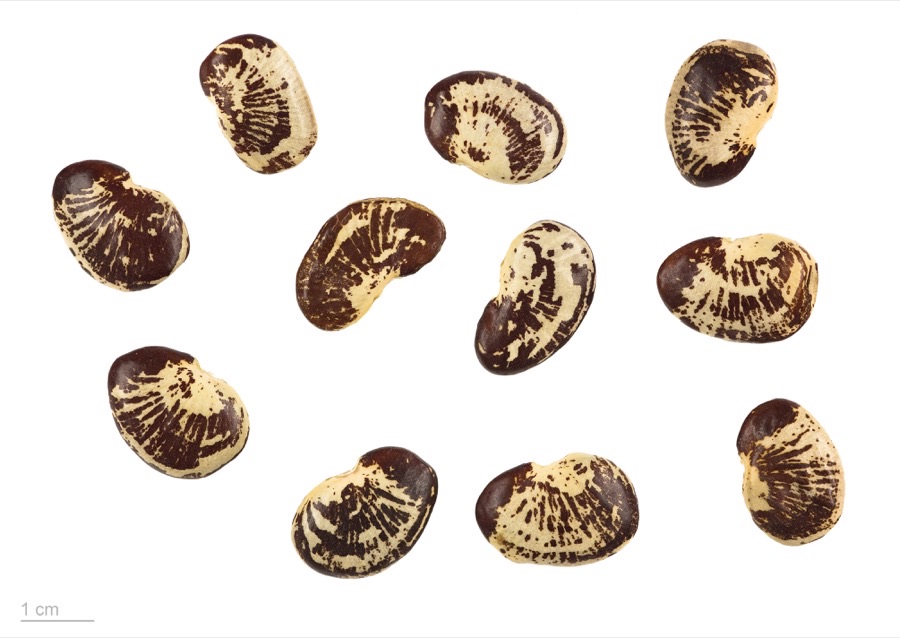
Photo: Roger Culos, CC BY-SA 3.0 (Wikimedia Commons)
Lima bean is a staple in places where growing a reliable pulse is hard. It carries heat and drought better than the common bean, the climbing kinds go on producing for months rather than finishing in one flush, and in much of West Africa, Madagascar and Myanmar it is an ordinary household food rather than a speciality. Peru built a serious export trade on the large pale Andean seed, and Madagascar, Myanmar, Nigeria, Brazil, Mexico and the United States all produce. For a smallholder its attraction is that one sowing beside a fence or among maize can feed a family through a long season, and that the dry seed then stores for months.
If you see: People becoming ill after a meal of dry lima beans, particularly dark or mottled ones, or ones cooked slowly in a covered pot.
It likely means: The beans were not boiled properly. Dry lima beans contain a natural substance that turns into a poison in the body, and open boiling is what drives it off.
Do this: Soak the dry beans and throw the soaking water away.
If you see: A vigorous healthy plant that flowered well and then dropped nearly every flower, leaving almost no pods.
It likely means: Hot nights during flowering, often made worse by drought. This is the commonest failure in the crop and has nothing to do with the soil.
Do this: Sow so that flowering falls outside your hottest weeks.
If you see: Large brick-red to dark brown sunken splotches on the pods, with dark streaks along the veins on the underside of the leaves.
It likely means: Anthracnose. It travels in the seed and spreads from plant to plant on wet foliage, including on your own clothes.
Do this: Never save seed from a crop that showed it, since that is how it reaches next season.
If you see: Large-seeded plants that grow well but flower late, set poorly and never fill their pods, in a hot lowland field.
It likely means: A highland type in a lowland climate. The large-seeded Andean kinds and the small-seeded Central American kinds want different conditions.
Do this: Ask which type your seed is before buying it.
If you see: Plants with yellow mottled, crumpled or distorted leaves, stunted growth and few pods, often with clouds of tiny white insects rising when shaken.
It likely means: A virus carried by whitefly. It cannot be cured, and an infected plant is a source for the rest of the field.
Do this: Pull out and destroy affected plants as soon as you see them rather than hoping.
If you see: Small round holes in stored dry beans, fine powder at the bottom of the container, and small beetles moving in the grain.
It likely means: Storage weevils, often carried in from the field as eggs already laid on the pod.
Do this: Dry the seed hard before storing, so that a grain cannot be dented with a fingernail.
If you see: An enormous leafy vine covering its support and everything near it, with very few pods anywhere on it.
It likely means: Too much nitrogen, or too rich a field, or both. This crop makes its own nitrogen and turns extra into vine.
Do this: Do not apply nitrogen to lima bean at any stage.
Growing the crop is only part of the job. The last part is knowing what a normal harvest looks like where you are, and knowing what your beans are worth before you agree a price with anybody.
If you forget every other page of this guide, keep these lines. They are the whole crop, in order, short enough to carry in your head.
What does the dry seed look like, and does the colour matter?
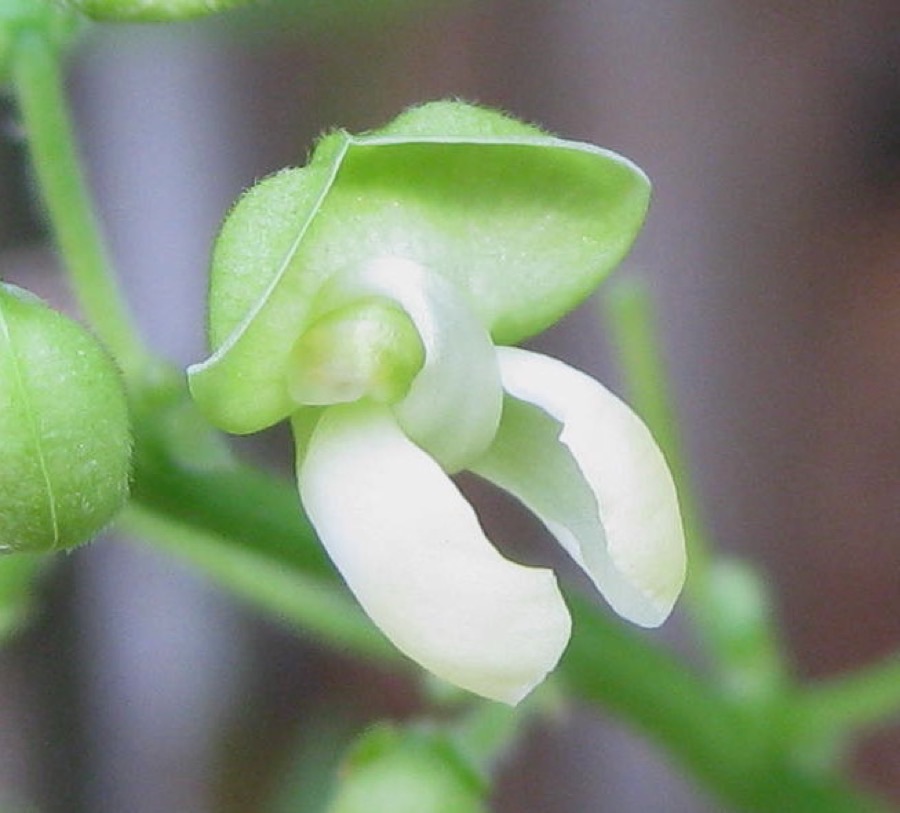
What do the flowers look like on the plant's stems, and when do they matter most?
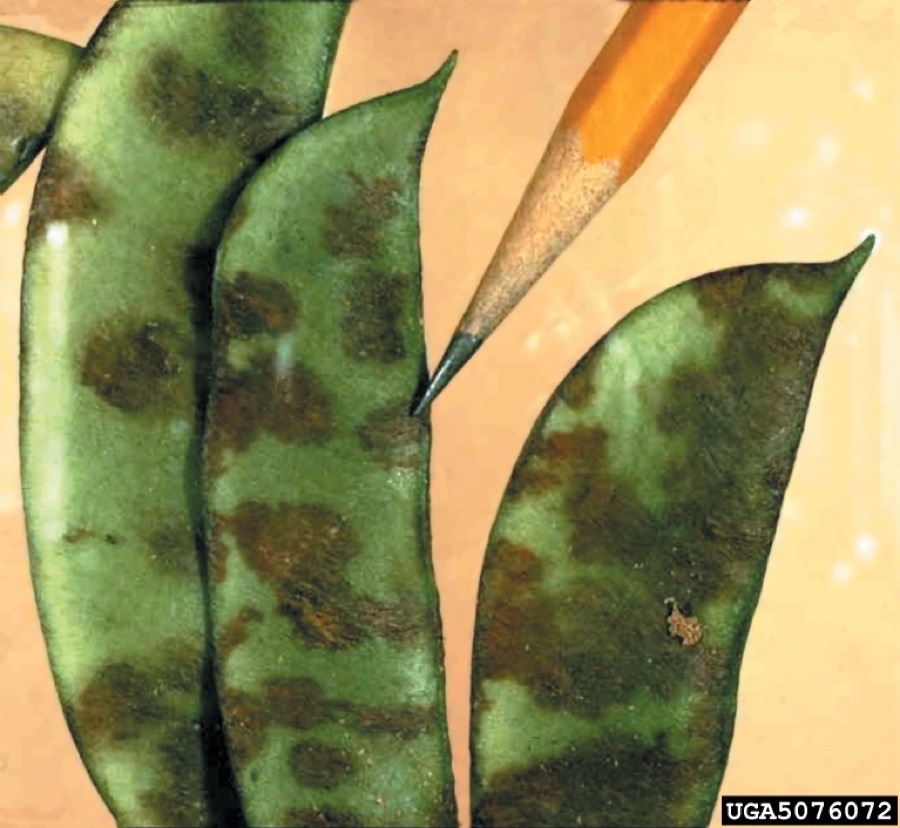
There are big dark red sunken patches on the pods. What is it?