Dimocarpus longan · Also called: Dragon eye, Lungan, Longyan, Lamyai, Nhãn, Mata kucing, Kelengkeng, Pitchu
Photo: Anup Sadi, CC BY-SA 4.0 (Wikimedia Commons)
Longan does something its famous relatives cannot. Lychee and rambutan have to be sold fresh within days or they are worth nothing, but longan dries beautifully, and dried longan is a serious trade in its own right that keeps for a year. That single fact changes the whole position of the grower. A bad fresh price is no longer a crisis, a glut is no longer a loss, and a farm a long way from a good market still has something to sell. China grows most of the world's crop, with Thailand, Vietnam and Taiwan close behind, and it is grown commercially in India, Australia and the Americas. The catch is at the start rather than the end: this tree needs a cool dry spell each year to flower, and where that does not come it grows magnificently and fruits hardly at all.
Growing Longan, Stage by Stage
1. Get the land ready — Deep well-drained ground in a place that gets a cool dry spell.
2. Plant air-layered trees as your planting material — A rooted branch off a known tree, not a seedling.
3. Weed, water and feed — Water and feed on the tree's calendar, not on yours.
4. Shape the tree and even out the bearing — Keep it low, and do not let one huge year be followed by nothing.
5. Watch for trouble — A disorder that deforms the shoots, borers in the wood, and bats in the canopy.
6. Harvest whole bunches — Cut the bunch, taste first, and pick only what is fully ripe.
7. Sell it fresh, or dry it and keep it — This is the choice that makes longan different from its relatives.
Common Problems & Troubleshooting
If you see: Large healthy trees that grow strongly year after year and hardly ever flower.
It likely means: The trees are not getting a cool dry spell. Longan sets its flower buds after one, and without it a tree simply keeps growing leaves.
Do this: Find out from growers in your district whether longan flowers reliably there before planting more.
If you see: An enormous crop one year followed by almost nothing the next.
It likely means: The tree exhausted itself. Carrying a very heavy crop uses up the reserves it needed to make next year's flowering wood.
Do this: Thin whole bunches in a heavy year while the fruit is still small.
If you see: Shoots growing into dense clusters of small twisted leaves that never open out properly.
It likely means: A disorder that deforms the growing shoots. Affected shoots do not flower, and it spreads through a tree and through planting material.
Do this: Cut affected shoots out well below the deformed growth and burn them.
If you see: Small fruit dropping heavily a few weeks after setting.
It likely means: Some drop is normal, but heavy drop usually means the tree went short of water while the fruit was filling, or sucking bugs were feeding on it.
Do this: Water well from the end of flowering right through fruit filling.
If you see: Fresh fruit turning brown and dull within a day or two of picking.
It likely means: It dried out or was handled roughly. Longan skin browns quickly in warm dry air, and a buyer judges it on that before tasting.
Do this: Cut whole bunches rather than stripping individual fruits off.
If you see: Dried longan going mouldy or musty in store.
It likely means: It was not dried hard enough, or it was packed before it had cooled, or the store is damp.
Do this: Dry until the shell is hard and the flesh is leathery rather than still soft.
Yield & Market Value
Growing the crop is only part of the job. The last part is knowing what a normal harvest looks like where you are, and knowing what your longan is worth before you agree a price with anybody.
Remember It This Way
If you forget every other page of this guide, keep these lines. They are the whole crop, in order, short enough to carry in your head.
No cool dry spell, no flowers. Ask before you plant.
Buy air-layered trees. Seedlings disappoint.
Head it back young or the crop goes out of reach.
Keep it dry through the cool season. That is how it flowers.
Water hard once the fruit has set.
Prune the day after harvest, not before flowering.
Thin the bunches in a heavy year or next year is empty.
It will not sweeten after picking. Taste before you cut.
Cut whole bunches. Never strip fruit off.
What you cannot sell fresh, dry. It keeps a year.
Test Yourself: Identification
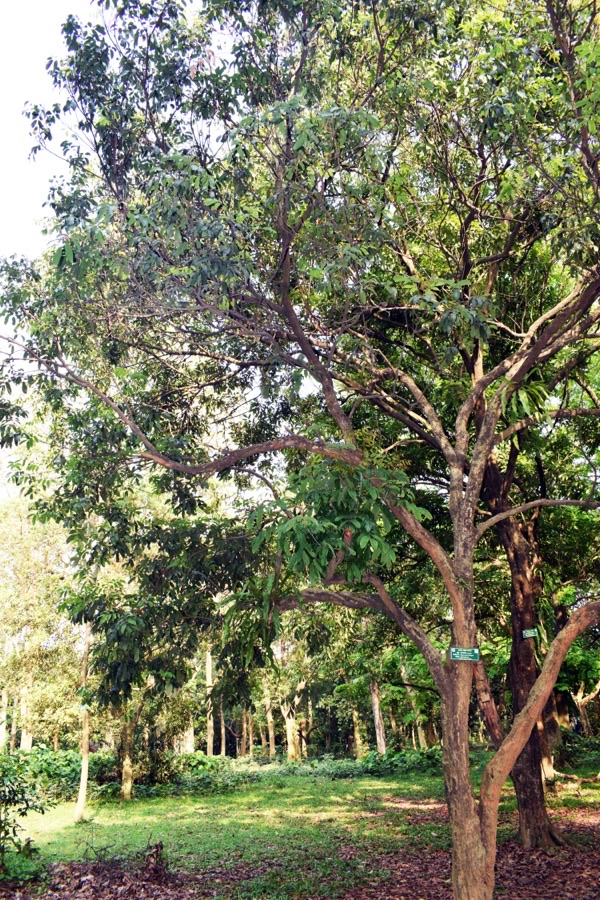
What does the tree look like?
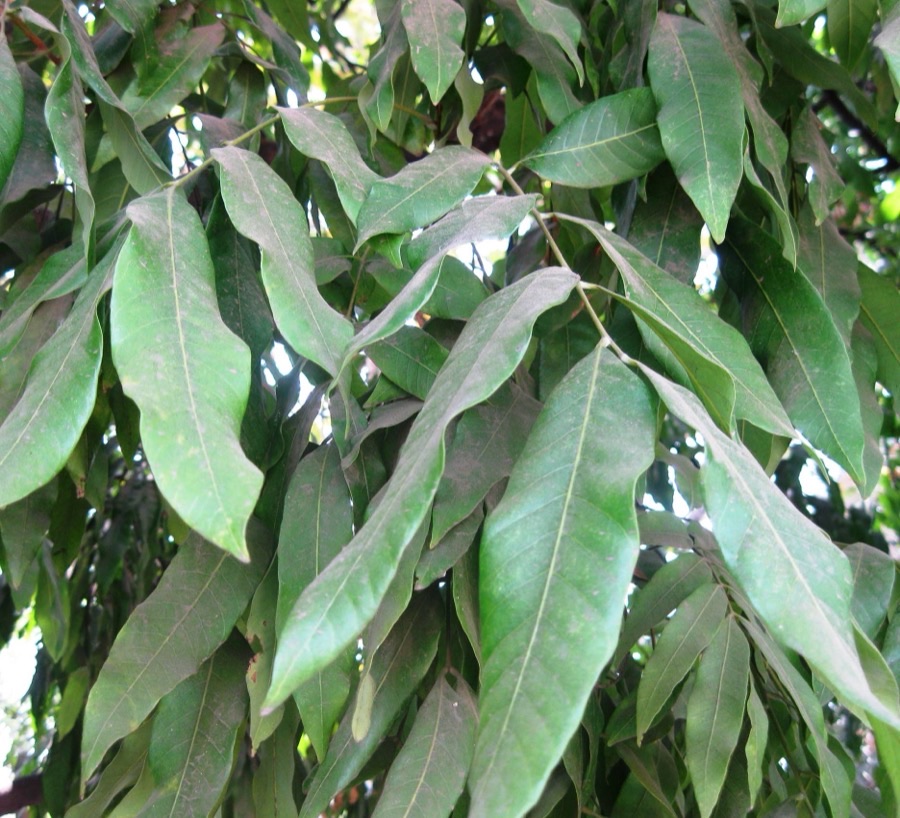
What do the leaves look like?
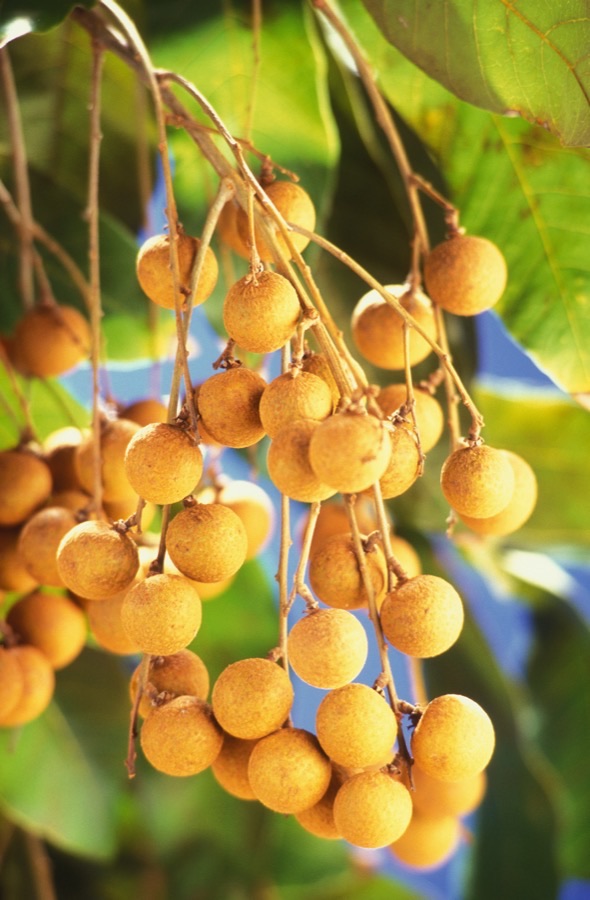
When is the fruit ready?
Honest Limits of This Guide
Timings here are given by season and by the state of the tree rather than in named months, because longan is grown across both hemispheres and its flowering follows the local cool season. Count from your own cool dry spell.
The requirement for a cool dry period is stated firmly because it is the single thing that decides whether this crop is possible where you are, but exactly how cool and for how long differs by variety and is not printed here. Ask growers and a research station in your own district.
Variety advice is deliberately local and no varieties are named here. Which types flower reliably in a given climate is the whole question for this crop, and it is one only local knowledge can answer.
The photographs show trees, leaves and fruit but not a harvest or a drying operation, because usable pictures of those are not available under a licence this library can use. The drying section is written in words rather than shown.
Commercial fresh longan is often treated after harvest to stop the skin browning. That treatment is an industrial process, it is regulated differently in different countries, and it is deliberately not described here. Drying is the option a smallholder actually has.
No chemical treatments are named here. The fruit is eaten fresh and dried, insects must be free to work the flowers for there to be a crop, and what is permitted differs by country and by buyer.
Sources
GBIF Backbone Taxonomy species-match record for Dimocarpus longan Lour. — Global Biodiversity Information Facility (GBIF), Copenhagen (source)
EPPO Global Database — Dimocarpus longan (EPPO code DMCLO) — European and Mediterranean Plant Protection Organization (EPPO), Paris (source)
FAO guidance on establishing and managing tropical and subtropical fruit orchards — Food and Agriculture Organization of the United Nations (FAO), Rome (source)
FAO guidance on post-harvest handling and drying of tropical fruit — Food and Agriculture Organization of the United Nations (FAO), Rome (source)
Laisha knows Longan better than this page can show.Photo diagnosis for pests and disease, live market prices, and an agronomist you can ask at two in the morning. Ten days free, no card. After that 10 US dollars a month, one price worldwide.Start ten free days
 Laisha
AI Operating System for Agriculture
Enter Laisha