 Laisha
AI Operating System for Agriculture
Enter Laisha
Laisha
AI Operating System for Agriculture
Enter Laisha
Eriobotrya japonica · Also called: Japanese plum, Japanese medlar, Nispero, Biwa, Pipa, Lokat, Luquat, Maltese plum
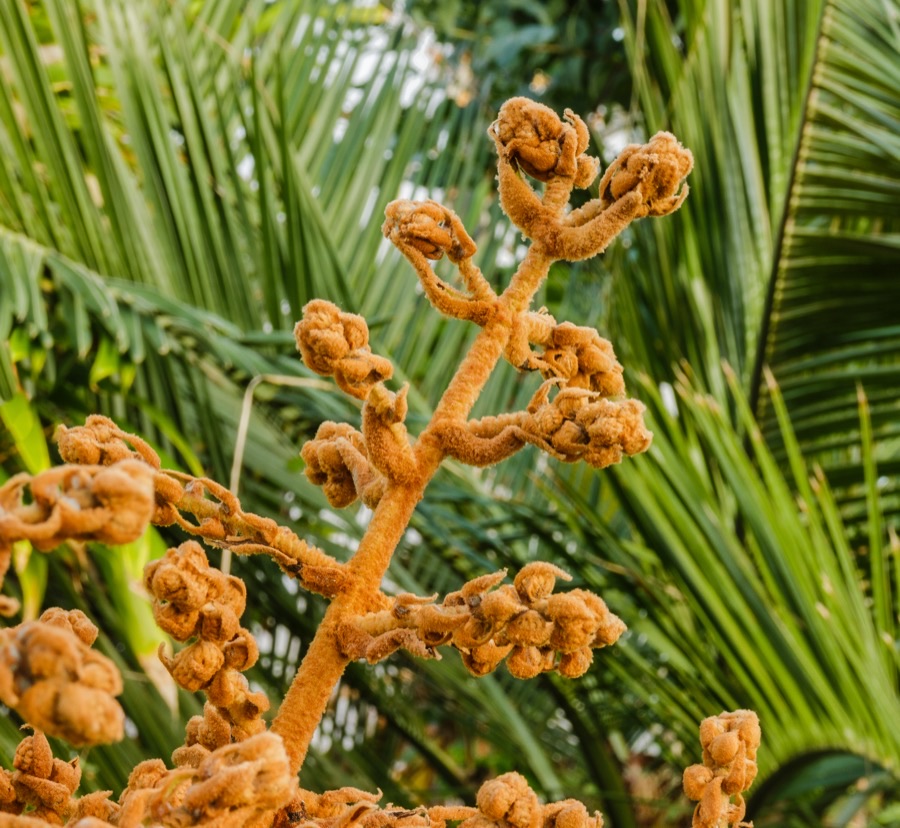
Photo: Agnes Monkelbaan, CC BY-SA 4.0 (Wikimedia Commons)
The loquat does something almost no other fruit tree does: it flowers in autumn and winter and ripens its fruit in early spring, so it arrives in the market weeks or months before anything else that year. That timing is the entire commercial case for it. A grower selling the first fresh fruit of the season is selling into an empty market, and the price reflects it. China grows most of the world's crop, with Spain, Japan, Turkey, Pakistan and India all producing commercially, and it grows well across the subtropics and in the milder Mediterranean climates. The same timing is also its one real weakness, and there is no way around it. Flowers and small fruit are out in the coldest part of the year, and a hard frost destroys them while leaving the tree itself perfectly healthy.
If you see: A healthy tree that flowers every year and carries almost no fruit.
It likely means: Frost is killing the flowers and the small fruit. This tree flowers in the coldest part of the year, which is the price of its early harvest.
Do this: Plant in the mildest, most sheltered position you have, and out of frost hollows.
If you see: Heavy clusters of many small fruits that the buyer will hardly take.
It likely means: The clusters were not thinned. This tree sets far more fruit than it can size properly, and it will not shed the surplus itself.
Do this: Thin every cluster to about four to six fruits while they are still small and green.
If you see: Brown marks and patches appearing on fruit that looked perfect when picked.
It likely means: It was handled. This skin is thin and soft, and a fingertip pressed into it shows as a brown mark within a day.
Do this: Pick by the stalk and never grip the body of the fruit.
If you see: Shoots, flower clusters and leaves suddenly blackening and dying back as though burnt, often bent into a hook at the tip.
It likely means: A bacterial blight shared with apple and pear. It moves fast in warm damp weather and spreads on tools and on rain splash.
Do this: Cut affected wood out well below the dead part, into clean healthy wood.
If you see: Small fruit dropping in numbers a few weeks after setting.
It likely means: Usually water shortage during fruit filling, sometimes cold damage the fruit survived at the time, sometimes simply a tree shedding what it cannot carry.
Do this: Water well through the winter and spring while the fruit is filling, which is when this tree needs it.
If you see: A good crop that sells for no more than ordinary fruit later in the season.
It likely means: The advantage of being first was lost, either by picking late, by a slow journey, or by not having a buyer arranged.
Do this: Arrange the buyer before the fruit is ripe, since this fruit cannot wait while you look.
Growing the crop is only part of the job. The last part is knowing what a normal harvest looks like where you are, and knowing what your loquats are worth before you agree a price with anybody.
If you forget every other page of this guide, keep these lines. They are the whole crop, in order, short enough to carry in your head.
What do the flowers look like?
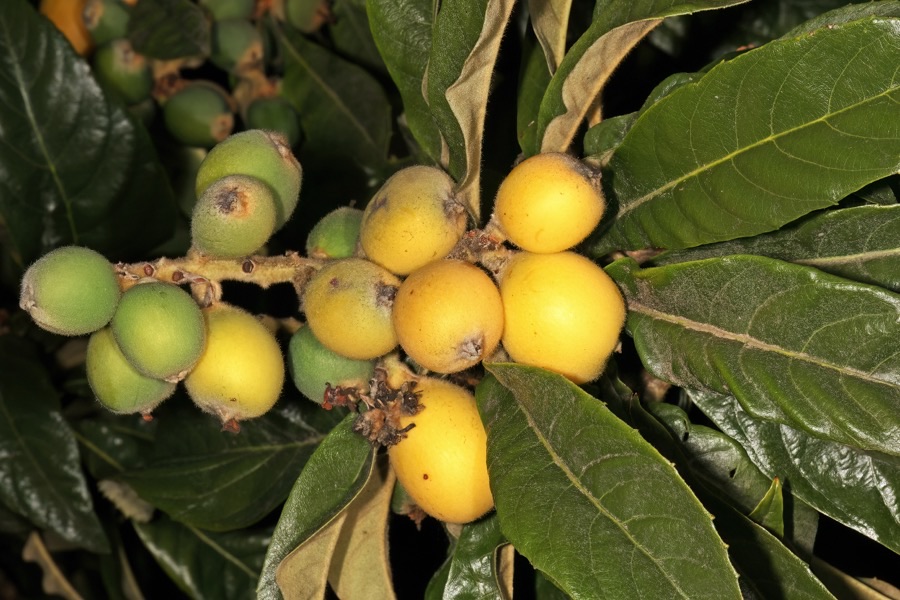
How does the fruit ripen?
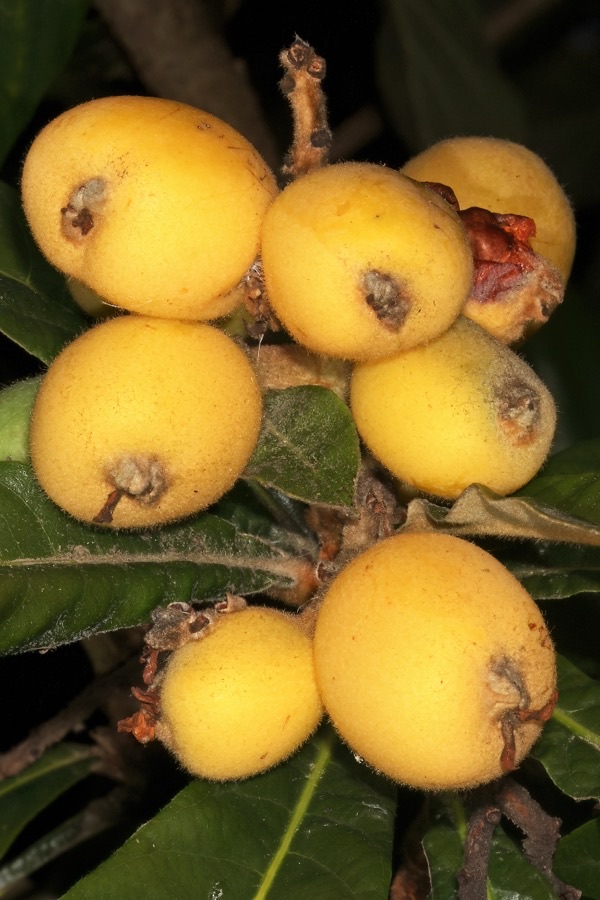
When is the fruit ready to pick?