 Laisha
AI Operating System for Agriculture
Enter Laisha
Laisha
AI Operating System for Agriculture
Enter Laisha
Litchi chinensis · Also called: Litchi, Lichee, Leechee, Lichi, Letchi, Vải, Linzhi, Laici
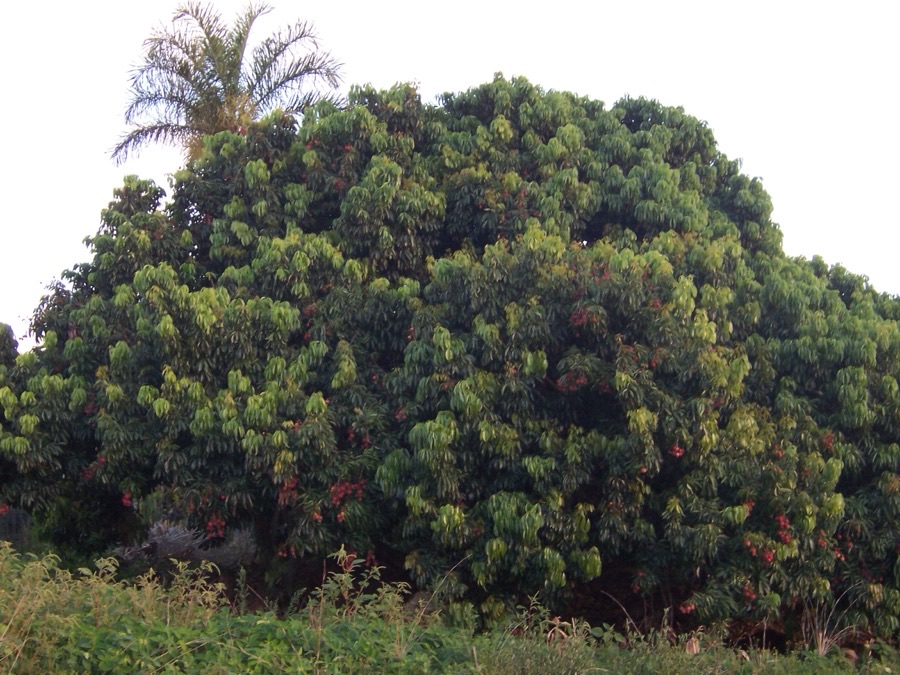
Photo: B.navez, CC BY-SA 3.0 (Wikimedia Commons)
Lychee is a high-value fruit with a short sharp season, which makes it worth a great deal to a grower who can sell it fast and almost nothing to one who cannot. China grows by far the most in the world, followed by India, Viet Nam, Thailand, Madagascar, Nepal, Bangladesh, South Africa, Australia and Mexico. The fruit is unusual in this library for how quickly it loses its value after picking: the bright red skin browns within a day or two and buyers pay for that colour. It is also a crop with a hard geographical limit, because it needs a cool dry spell to flower and simply will not fruit in the constantly warm wet tropics.
If you see: Healthy vigorous trees that grow well every year and flower rarely or not at all.
It likely means: No cool dry spell. Lychee needs a period of cool dry weather to flower, and in a constantly warm wet climate it simply grows instead.
Do this: Check whether your area has a real cool season before planting more trees.
If you see: Fruit splitting open on the tree as it approaches ripeness, exposing the white flesh, which then rots or is taken by insects.
It likely means: Uneven soil moisture while the fruit was swelling, often a dry spell followed by heavy rain or a heavy watering. Dry air makes it worse.
Do this: Keep the moisture very steady from fruit set onward rather than watering heavily and seldom.
If you see: Fruit that was bright red when picked arriving at the market dull brown, and a buyer paying much less for it.
It likely means: Water loss from the skin, which begins the moment the fruit is picked and is fastest in heat, wind and dry air. The flesh inside is usually still fine.
Do this: Pick in the cool of the early morning and get the fruit into deep shade immediately.
If you see: Raised blisters on the upper side of leaves with thick felty brown or reddish growth on the underside, and distorted shoots.
It likely means: A leaf mite. The felty patch is the leaf's own tissue growing abnormally around the mites feeding inside it.
Do this: Prune out and burn affected shoots, which removes the mites with them.
If you see: Young or half-grown trees leaning badly or blown flat after a storm, with roots lifted out of the ground.
It likely means: Shallow roots. Air-layered lychee trees have a small shallow root system and are much less anchored than a seedling would be.
Do this: Stake young trees firmly and keep them staked for several years.
If you see: A very heavy crop one year and almost nothing the next, repeating for as long as anyone remembers.
It likely means: Irregular bearing, which is normal in lychee and harder to control than in most fruit trees because flowering depends on the weather.
Do this: Feed and water well straight after harvest, which builds the growth that carries next year's flowers.
If you see: Fruit going brown and rotting at the stem end within hours of picking, faster than the rest of the skin.
It likely means: It was pulled off individually instead of cut. A torn stem end is an open wound on a fruit that spoils very quickly.
Do this: Cut whole bunches with secateurs, leaving a short stem and a few leaves.
Growing the crop is only part of the job. The last part is knowing what a normal harvest looks like where you are, and knowing what your fruit is worth before you agree a price with anybody.
If you forget every other page of this guide, keep these lines. They are the whole crop, in order, short enough to carry in your head.
What does a lychee tree look like?
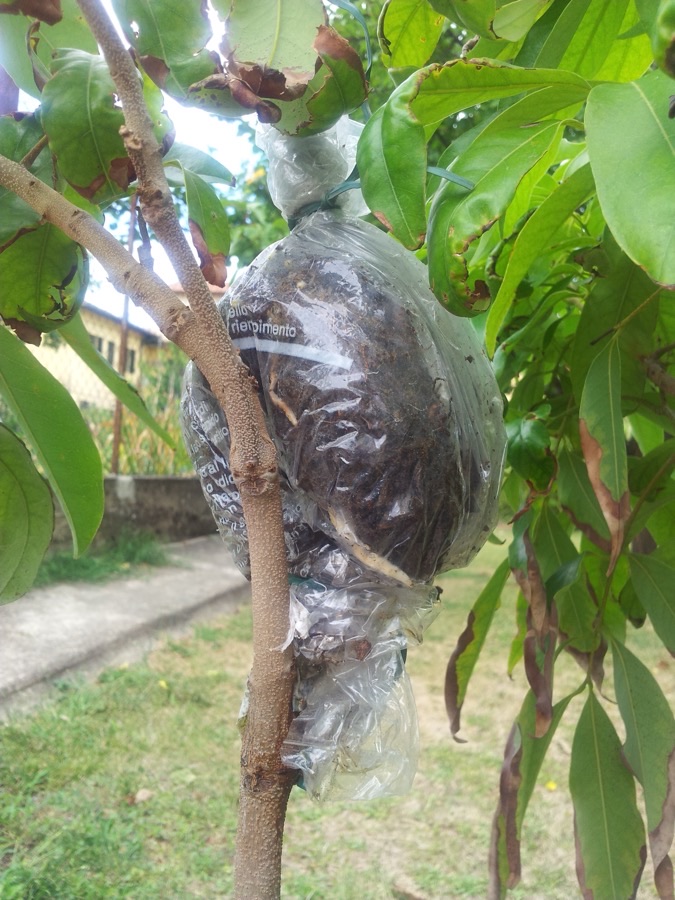
How are new lychee plants made?
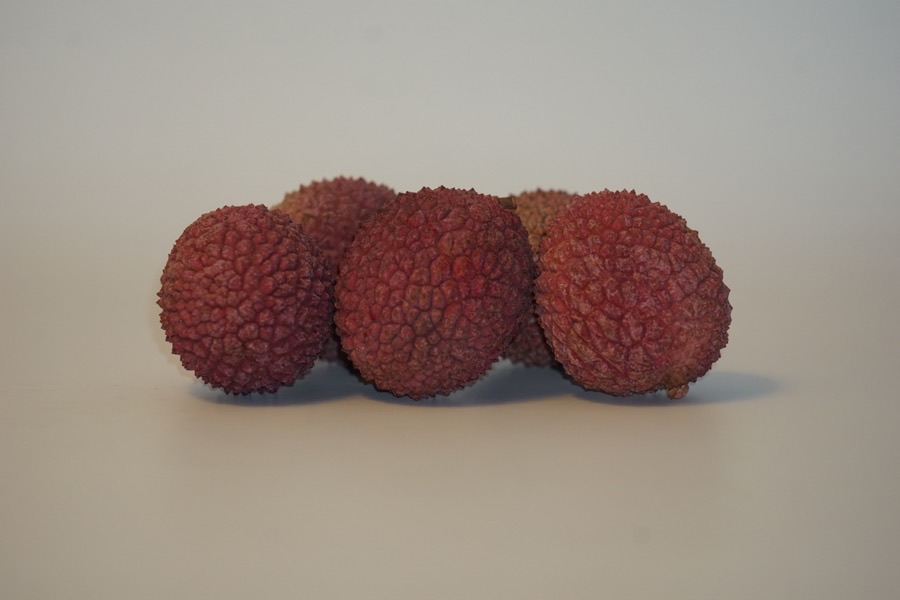
When is the fruit on the stem ready to cut?