Garcinia mangostana · Also called: Purple mangosteen, Manggis, Mangkhut, Mang cut, Mangostan, Mangostão, Queen of fruits, Mangustan
Photo: Vijayanrajapuram, CC BY-SA 4.0 (Wikimedia Commons)
Mangosteen is worth more per kilogram than almost anything else in this library, and it is also the hardest crop here to start. It will only grow properly within a narrow band near the equator, where the air is always humid, the rain is spread through the year and there is no dry season worth the name. It takes eight to twelve years from seed to the first fruit. But it asks for nothing unusual once it is established, its seedlings come true so there is no variety problem to solve, its flowers need no pollinator at all, and the thick rind protects the fruit well enough to travel. Thailand, Indonesia, Malaysia, the Philippines and Vietnam grow most of it, and it exports well. This is a crop for a grower planting for their children as much as for themselves.
Growing Mangosteen, Stage by Stage
1. Get the land ready — Deep, rich, moist, sheltered and shaded. This tree is fussy and honest about it.
2. Sow fresh seed as your planting material — Straight from a fruit you have eaten, within days.
3. Shade it, weed, water and feed for years — The first five years are the whole difficulty of this crop.
4. Wait, and manage the water as it comes into bearing — Steady water from flowering to harvest protects the flesh inside.
5. Watch for trouble — Few pests, and two disorders that are really about water.
6. Harvest by hand when the rind turns — Pick it purple and slightly soft, and never let it fall.
7. Keep it cool and sell it — The thick rind buys you weeks. Do not waste them.
Common Problems & Troubleshooting
If you see: Bitter yellow sap staining the white flesh when a fruit is opened, though the outside looked perfect.
It likely means: Heavy rain after a dry spell. The rind's own yellow sap is forced into the fruit, and nothing on the outside shows it.
Do this: Irrigate through dry spells while the tree is carrying fruit, so the swing never happens.
If you see: Flesh that has gone glassy, watery and see-through instead of firm and white.
It likely means: Too much water taken up too fast, usually heavy rain or heavy irrigation late in fruit development.
Do this: Keep the water supply even rather than letting it swing between dry and flooded.
If you see: Fruit whose rind has gone hard and woody so that it cannot be opened by hand.
It likely means: It dried out, either by being left too long on the tree or by being kept in dry air after picking.
Do this: Pick when the rind is fully purple and still yields slightly to gentle pressure.
If you see: Young trees scorching, browning at the leaf edges and dying in their first years.
It likely means: Too much sun, or drying out, or both. This tree takes up water poorly and cannot recover from a check the way others do.
Do this: Shade young trees heavily for their first three to five years.
If you see: Seed sown carefully that never comes up.
It likely means: It was too old. Mangosteen seed dies within days of leaving the fruit and cannot be dried, stored or posted.
Do this: Take seed from a fruit you have just eaten and sow it within a few days.
If you see: Trees that survive but grow very slowly and never come into proper bearing.
It likely means: The climate is at or beyond the edge of what this tree accepts: not humid enough, or with too long a dry season.
Do this: Be honest about the climate before planting a block, and plant a few trees first as a trial.
Yield & Market Value
Growing the crop is only part of the job. The last part is knowing what a normal harvest looks like where you are, and knowing what your mangosteens are worth before you agree a price with anybody.
Remember It This Way
If you forget every other page of this guide, keep these lines. They are the whole crop, in order, short enough to carry in your head.
Humid all year, rain all year, no real dry season. Or do not plant.
Eight to twelve years to the first fruit. There is no shortcut.
Sow seed from a fruit you have eaten, within days.
The seed cannot be dried, stored or posted. It dies.
Seedlings come true. This tree needs no pollinator at all.
Shade it heavily for its first five years or it dies.
Never let a young tree dry out, even once.
Dry then flooded ruins the flesh inside. Keep water steady.
Pick it dark purple and still soft. Never let it fall.
A hard rind cannot be opened, and that loses the sale.
Test Yourself: Identification
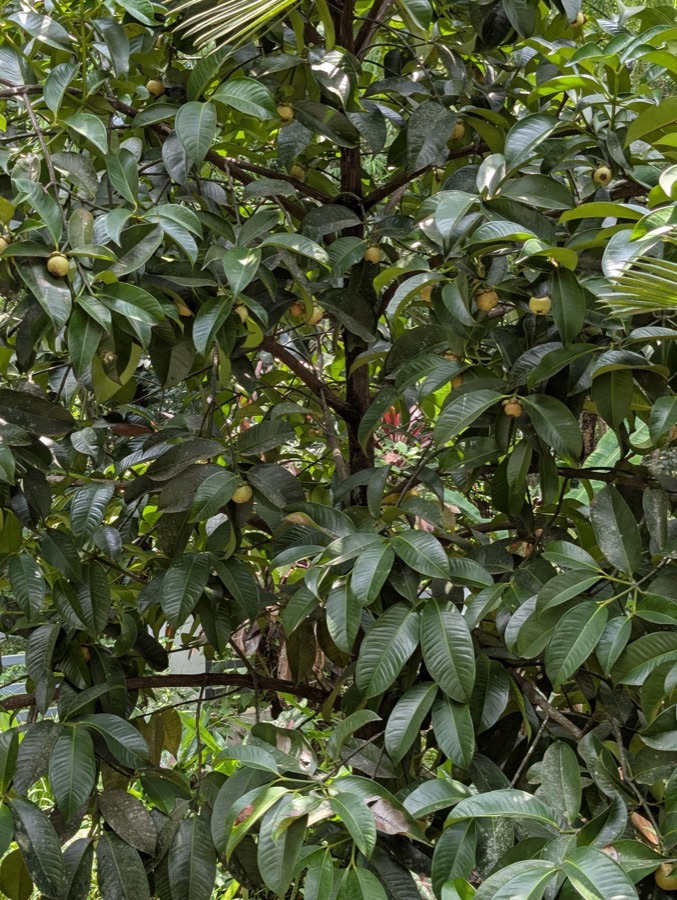
What does the tree look like?
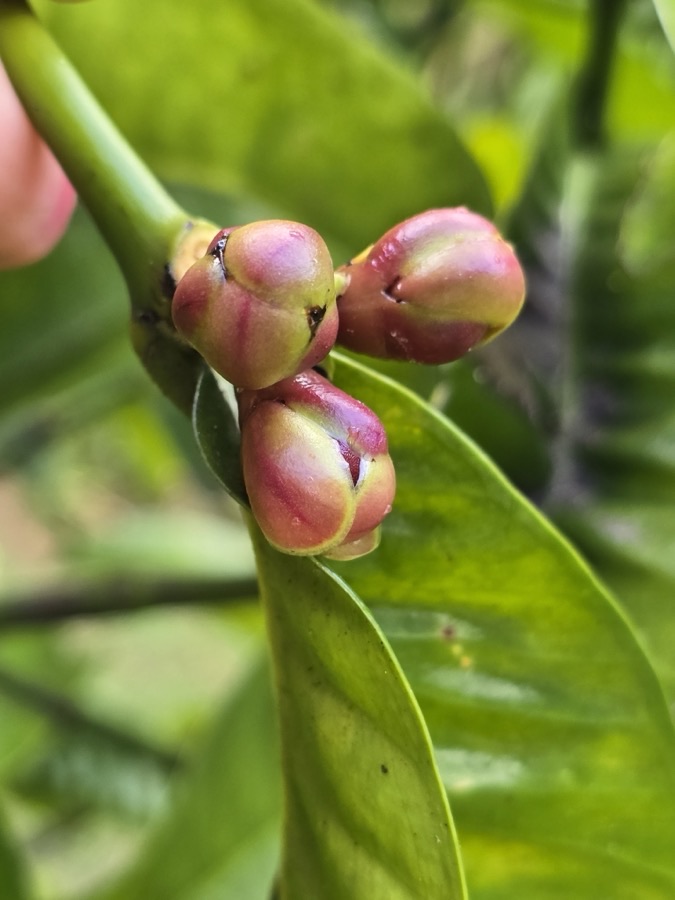
What do the flowers look like?
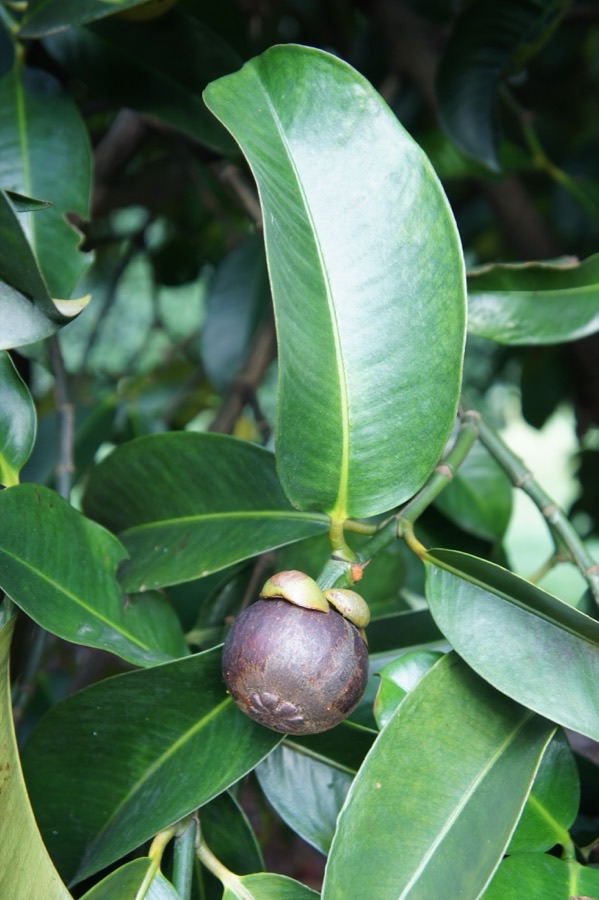
How does the fruit ripen?
Honest Limits of This Guide
Timings here are given by season and by the age of the tree rather than in named months, because mangosteen is grown near the equator where there is no single fruiting calendar. Count from your own rains.
This tree genuinely needs an equatorial climate. It is included because it is among the most valuable fruits in this library where it can be grown, not because it can be grown widely, and a grower outside the humid tropics should not attempt it.
There are almost no named varieties, because the tree sets seed without crossing and its seedlings are copies of their mother. Selection is therefore about choosing which mother tree to take seed from, and that is local knowledge.
Grafting and other faster propagation methods exist and are worked on, but they are unreliable in this species and are not described here as a practical route for a smallholder.
The photographs show trees, flower buds, fruit and a market lot, but not an orchard under shade management, because usable pictures of that are not available under a licence this library can use.
No chemical treatments are named here. The fruit is eaten fresh, the tree has few serious pests in any case, and the two disorders that spoil this crop are water problems rather than anything to spray.
Sources
GBIF Backbone Taxonomy species-match record for Garcinia mangostana L. — Global Biodiversity Information Facility (GBIF), Copenhagen (source)
EPPO Global Database — Garcinia mangostana (EPPO code GANMA) — European and Mediterranean Plant Protection Organization (EPPO), Paris (source)
FAO guidance on establishing and managing tropical fruit orchards — Food and Agriculture Organization of the United Nations (FAO), Rome (source)
FAO guidance on post-harvest handling of tropical fruit — Food and Agriculture Organization of the United Nations (FAO), Rome (source)
Laisha knows Mangosteen better than this page can show.Photo diagnosis for pests and disease, live market prices, and an agronomist you can ask at two in the morning. Ten days free, no card. After that 10 US dollars a month, one price worldwide.Start ten free days
 Laisha
AI Operating System for Agriculture
Enter Laisha