 Laisha
AI Operating System for Agriculture
Enter Laisha
Laisha
AI Operating System for Agriculture
Enter Laisha
Tagetes erecta · Also called: African marigold, Aztec marigold, Mexican marigold, Genda, Banti, Chendumalli, Cempasúchil, Sayapatri
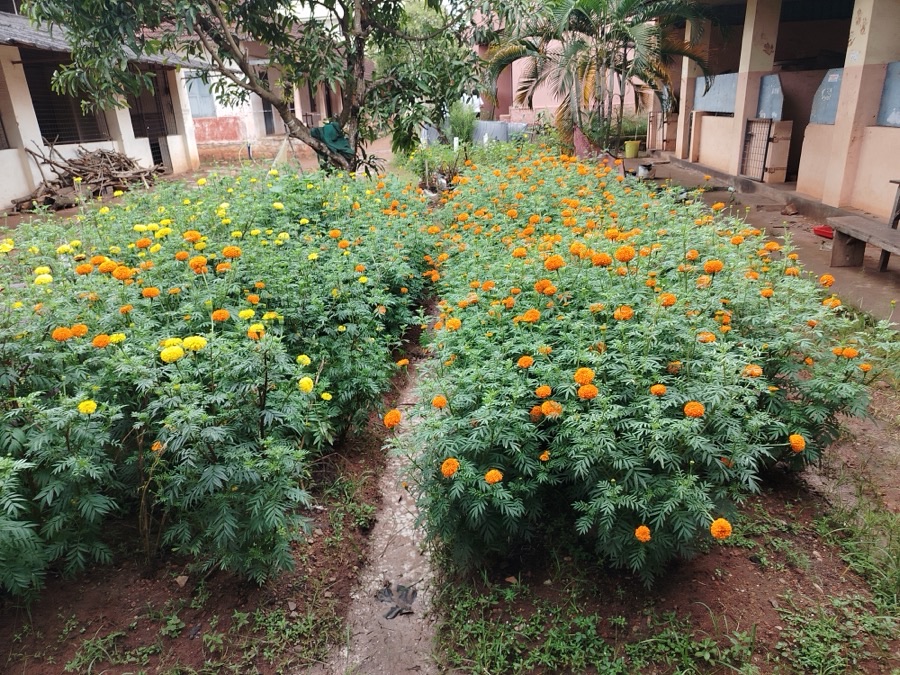
Photo: Shajinss, CC BY-SA 4.0 (Wikimedia Commons)
Marigold is unusual in this library because its price is set by a calendar rather than by a harvest. Across India and much of South and Southeast Asia the flower is wanted in enormous quantities for a handful of festival days and for the wedding season, and on those days it can be worth several times what it fetches a fortnight either side. A grower who times the crop to flower in that window earns most of the season's income in a few weeks. A grower who does not is selling into a glut. There is a second and quieter market as well: the petals are processed to extract a yellow pigment used in poultry feed and food colouring, which buys steadily by the tonne and does not care what day it is. And the plant does a third job for nothing, because its roots suppress the soil worms that damage vegetables.
If you see: A beautiful crop in full bloom in the fortnight after the festival, selling for almost nothing.
It likely means: The sowing date was wrong. Marigold's price is set by the calendar, and flowering a week late can halve or quarter what the crop is worth.
Do this: Count backwards from the festival or wedding date before you sow, allowing about four weeks in the nursery and eight to ten in the field.
If you see: Small holes in flower buds with dark droppings around them, and buds that never open properly.
It likely means: A bud borer caterpillar is feeding inside. It is the most damaging pest of this crop because it attacks exactly what you sell.
Do this: Open a few suspect buds and look inside, since the damage is hidden.
If you see: Tall leafy plants with plenty of growth and disappointingly few flowers.
It likely means: Usually too much nitrogen, or the plants were never pinched, or both. A marigold given rich feeding and left alone grows leaves instead of blooms.
Do this: Pinch out the growing tip three to four weeks after transplanting so the plant branches.
If you see: Grey furry rot on the blooms, worst after damp weather and on crowded plants.
It likely means: A fungal rot of the flower. It gets in through damp petals and spreads from bloom to bloom.
Do this: Water at the base of the plants rather than over the flowers.
If you see: Plants leaning over or flattened, with flowers lying in the mud.
It likely means: Tall plants heavy with bloom, usually made soft by too much nitrogen, sometimes knocked down by wind or heavy rain.
Do this: Earth soil up around the stems as the plants grow.
If you see: Flowers that were bright when picked and are limp, hot and bruised on arrival.
It likely means: Packed too deep, carried in the heat, or left in the sun after picking.
Do this: Pick in the early morning or evening and get the flowers into shade at once.
Growing the crop is only part of the job. The last part is knowing what a normal harvest looks like where you are, and knowing what your marigolds are worth before you agree a price with anybody.
If you forget every other page of this guide, keep these lines. They are the whole crop, in order, short enough to carry in your head.
What does the crop look like growing?
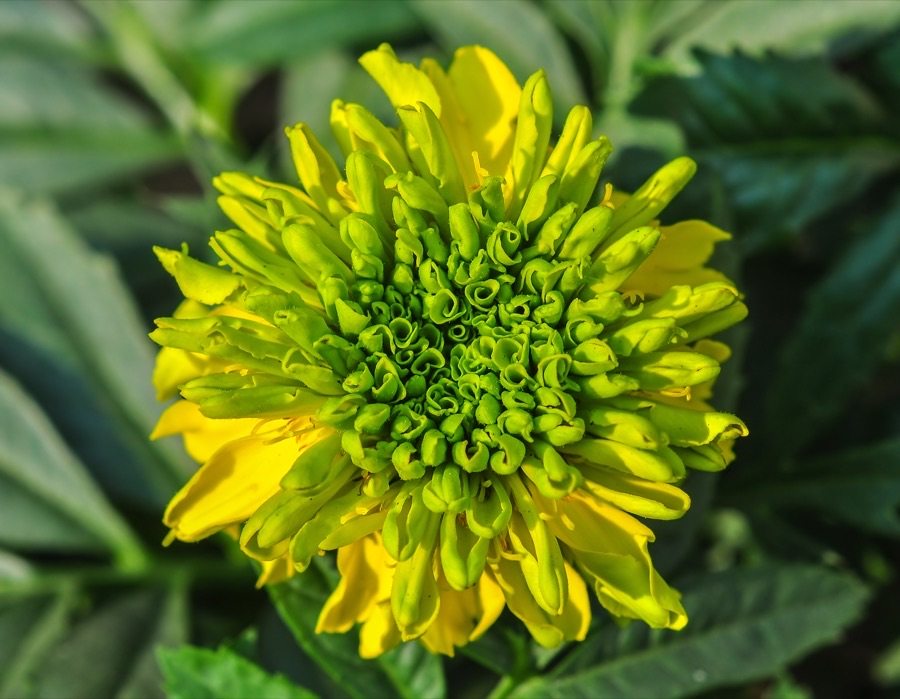
What does a flower that is not ready look like?
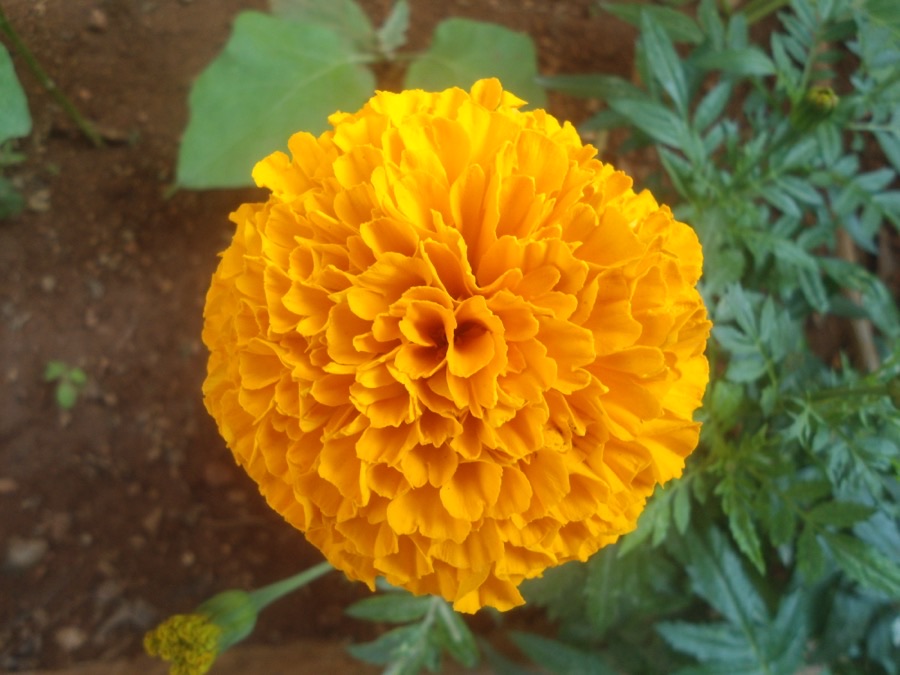
When is a flower ready to pick?