 Laisha
AI Operating System for Agriculture
Enter Laisha
Laisha
AI Operating System for Agriculture
Enter Laisha
Mentha arvensis · Also called: Menthol mint, Japanese mint, Corn mint, Field mint, Wild mint, Pudina, Mentha, Japanese peppermint
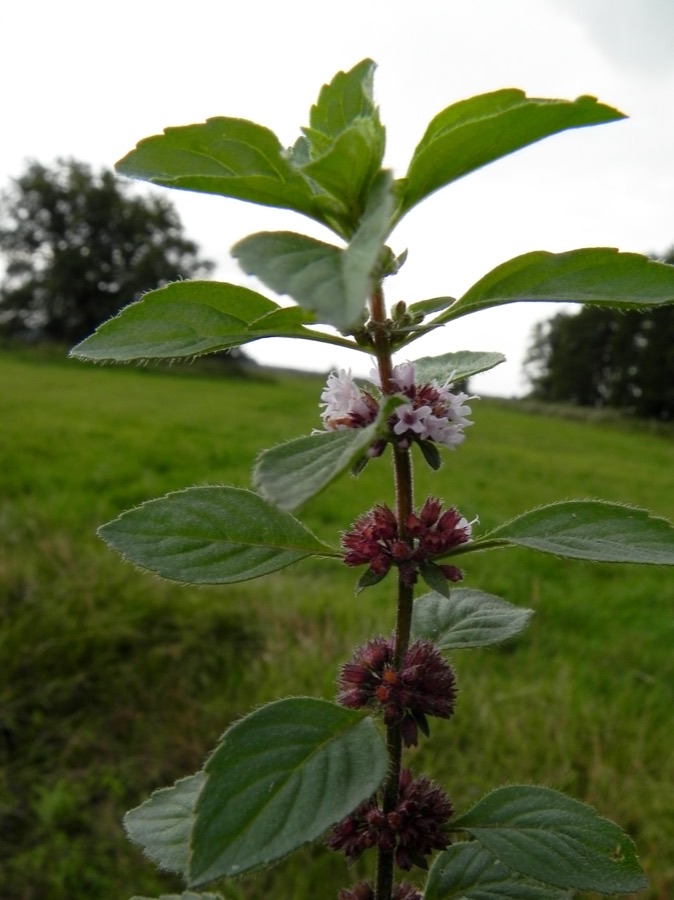
Photo: Hajotthu, CC BY 3.0 (Wikimedia Commons)
Almost all the world's natural menthol comes from this one plant, and most of that comes from a few districts of the Indian plains. It is unlike nearly every other crop in this library in one way that changes everything about how it is farmed: the grower does not sell what he cuts. He cuts green herb, and what he sells is the oil distilled out of it, a few hundred kilograms from a hectare of crop that weighed many tonnes. That means the field is only half the work. The cutting, the wilting and the still decide as much of the income as the growing does, and a farmer who does not understand the still is selling his crop at someone else's mercy.
If you see: A heavy green crop that gives far less oil than the weight suggested it would.
It likely means: Almost always cut at the wrong time, usually too early. Green weight and oil are not the same thing, and a lush young crop is mostly water.
Do this: Cut when the crop is just coming into full flower, not before.
If you see: Weeds standing as tall as the mint six weeks after planting.
It likely means: The crop was not weeded early enough. Mint is slow to cover the ground and cannot compete until it does.
Do this: Weed within the first three weeks and again before six, rather than once late.
If you see: Patches of the field where shoots yellow, wilt and die while the rest grows well.
It likely means: Rot at the runner underground, nearly always where water stands. It spreads through the soil and through planting material.
Do this: Improve drainage in the low parts of the field rather than watering the whole crop less.
If you see: Small orange or brown powdery spots on the underside of leaves, and leaves falling early.
It likely means: Rust. It matters more in this crop than in most because the leaf is where nearly all the oil is, so every leaf lost is oil lost.
Do this: Walk the crop weekly and turn leaves over, since it starts underneath.
If you see: A strong first cut followed by a weak, thin second crop.
It likely means: The stubble was not fed and watered straight after cutting, or it was cut too close to the ground.
Do this: Irrigate within a day or two of cutting rather than waiting for the crop to show it is thirsty.
If you see: Oil that has gone dark, smells flat or metallic, and is refused or discounted by the buyer.
It likely means: Stored badly. Usually a rusty or half-empty container, or heat and light, or water left in with the oil.
Do this: Store in containers that do not rust, filled as full as possible.
Growing the crop is only part of the job. The last part is knowing what a normal harvest looks like where you are, and knowing what your mint oil is worth before you agree a price with anybody.
If you forget every other page of this guide, keep these lines. They are the whole crop, in order, short enough to carry in your head.
What does the plant look like?
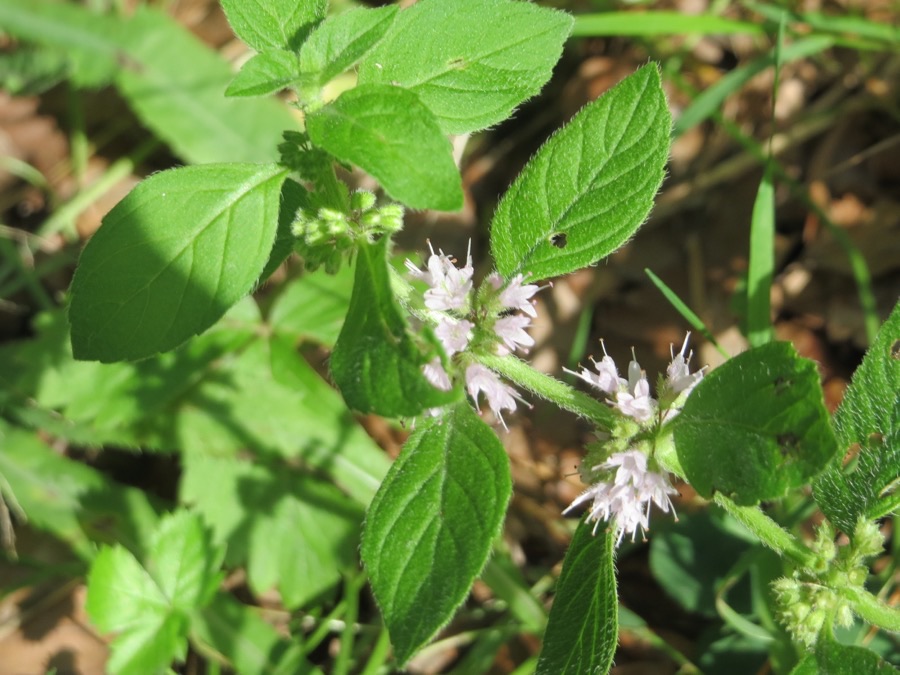
What does the flower look like close up?
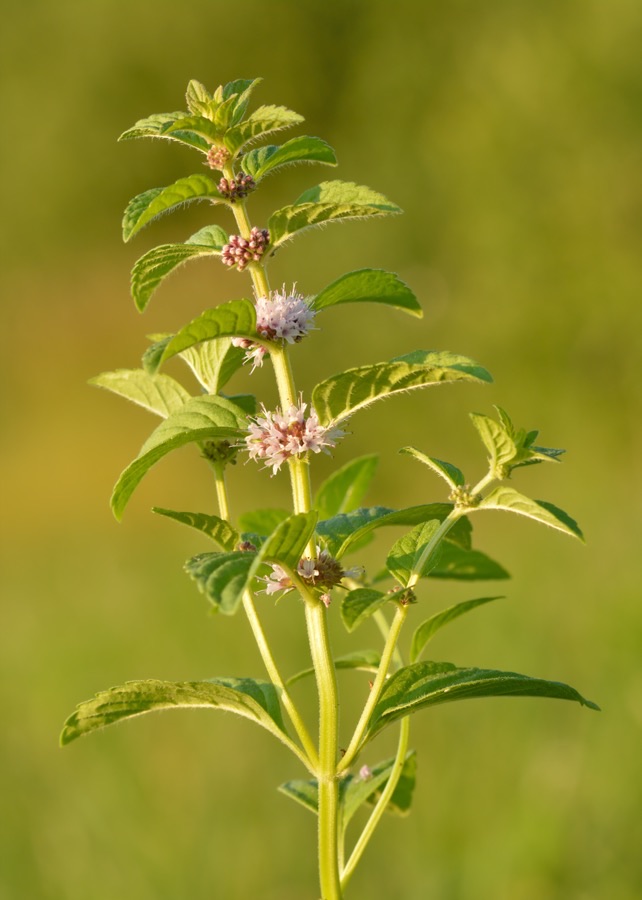
When should the crop be cut?