 Laisha
AI Operating System for Agriculture
Enter Laisha
Laisha
AI Operating System for Agriculture
Enter Laisha
Morus alba · Also called: White mulberry, Shahtoot, Shahtut, Toot, Tuta, Mora, Morera, Silkworm mulberry
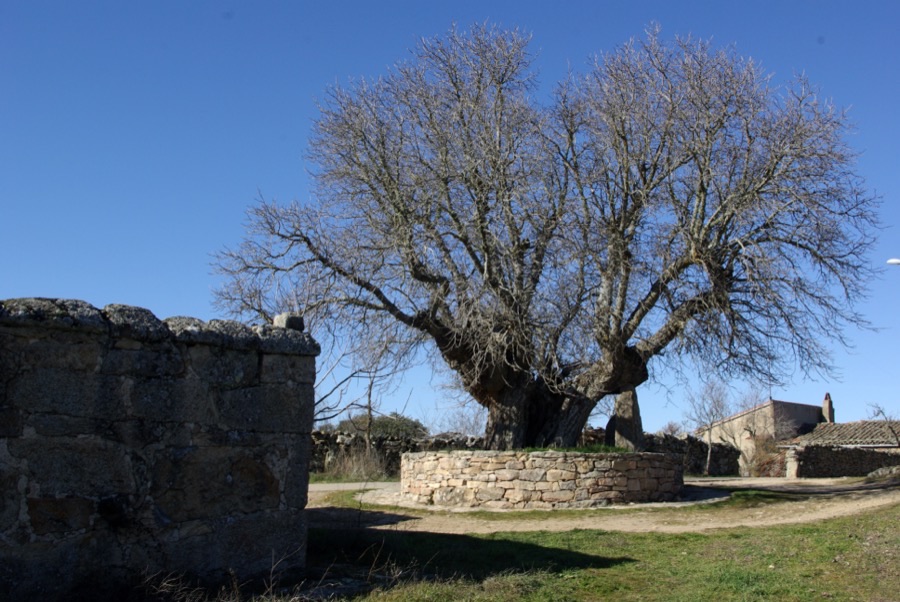
Photo: David Perez, CC BY 3.0 (Wikimedia Commons)
Mulberry is really two crops on one plant, and most of the world's mulberry is not grown for fruit at all. The silkworm eats only mulberry leaf, so every metre of silk made in China, India, Uzbekistan, Thailand, Vietnam and Brazil starts in a mulberry garden, and in Karnataka, Andhra Pradesh, Tamil Nadu, West Bengal and Kashmir that garden is usually a smallholding. The leaf is also one of the best fodders there is, high in protein and eaten readily by cattle, goats and sheep, which matters in places with no silk industry at all. Then there is the fruit. Across Afghanistan, Central Asia, Ladakh and northern Pakistan dried mulberries are a winter staple, shaken onto sheets and dried whole, and shahtoot sells fresh in markets from Punjab to Iran. The tree lives for generations, takes drought, and grows back from being cut almost to the ground.
If you see: Silkworms that stop eating, go limp and die in large numbers on leaf that looks perfectly healthy.
It likely means: Pesticide on the leaf. Silkworms are killed by traces far too small to see or smell, and the commonest source is spray drifting from a neighbouring field.
Do this: Stop feeding that leaf immediately and switch to leaf from a different block.
If you see: Plants grown into tall trees with all the good leaf far above head height.
It likely means: They were not cut back hard enough or early enough. Mulberry grown for leaf is kept as a low bush on purpose, and a plant left alone becomes a tree quickly.
Do this: Cut back hard to a low framework in the dormant or dry season.
If you see: Small, pale, tough leaves and silkworms making light cocoons.
It likely means: Usually hunger or thirst in the plant. Leaf is removed again and again from a mulberry garden, and it cannot be replaced without feeding and water.
Do this: Feed well-rotted manure or compost generously at least once a year.
If you see: Fruit that stays pale on the tree and eventually falls or rots without ever turning dark.
It likely means: It is a white-fruited variety. Despite the name, many white mulberries ripen white, cream or pale pink and never darken at all.
Do this: Judge ripeness by softness and by the fruit letting go when the branch is shaken.
If you see: Established plants that suddenly wilt and die, often in the wettest part of the garden.
It likely means: Root rot in waterlogged soil. Mulberry roots deeply and takes drought well, but it does not tolerate its roots sitting in water.
Do this: Make drainage channels so water does not collect around the plants.
If you see: Shoot tips with crinkled curled crowded leaves and stunted growth, usually with tiny white insects underneath.
It likely means: A disorder caused by mealybugs feeding on the shoot tips, called tukra in India. The leaf on those shoots is unusable for silkworms.
Do this: Cut off and destroy affected shoot tips rather than leaving them in the garden.
Growing the crop is only part of the job. The last part is knowing what a normal harvest looks like where you are, and knowing what your mulberry is worth before you agree a price with anybody.
If you forget every other page of this guide, keep these lines. They are the whole crop, in order, short enough to carry in your head.
What does an old mulberry grown for leaf look like?
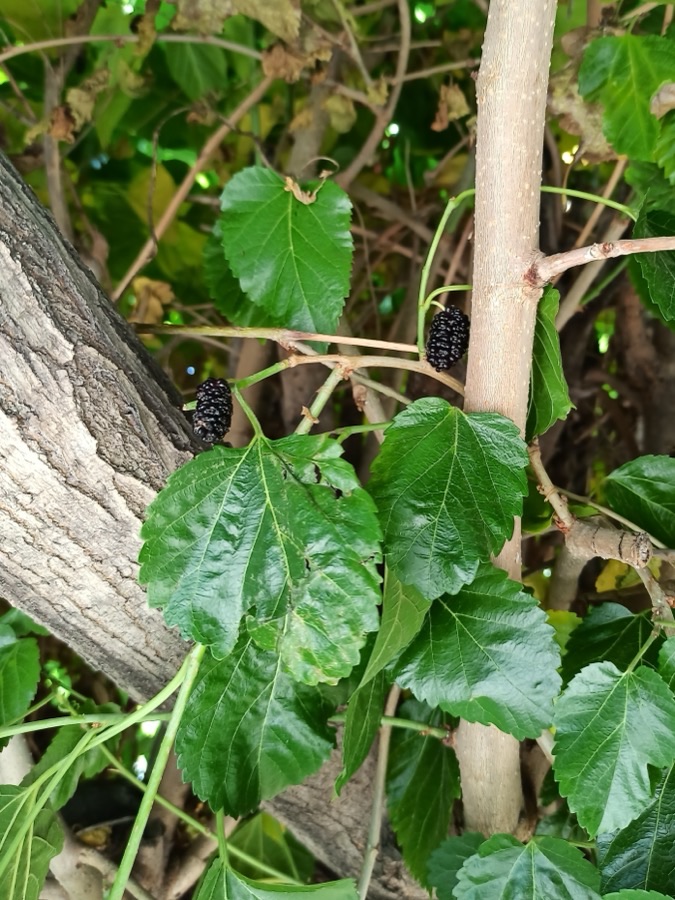
What does mulberry leaf look like?
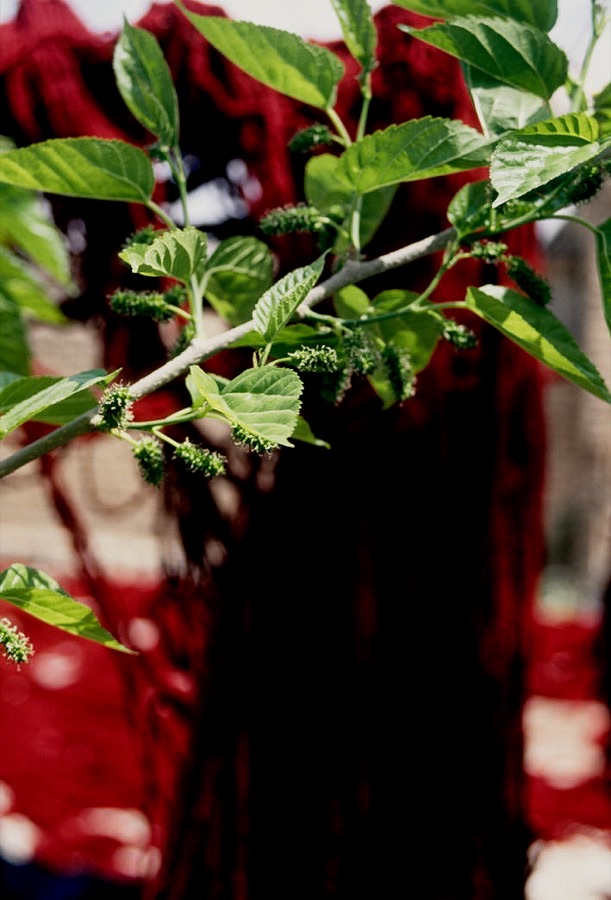
What does the plant look like when it starts growing again?