 Laisha
AI Operating System for Agriculture
Enter Laisha
Laisha
AI Operating System for Agriculture
Enter Laisha
Guizotia abyssinica · Also called: Niger, Nug, Noug, Nyjer, Ramtil, Ramtilla, Ramtil oilseed, Jagni
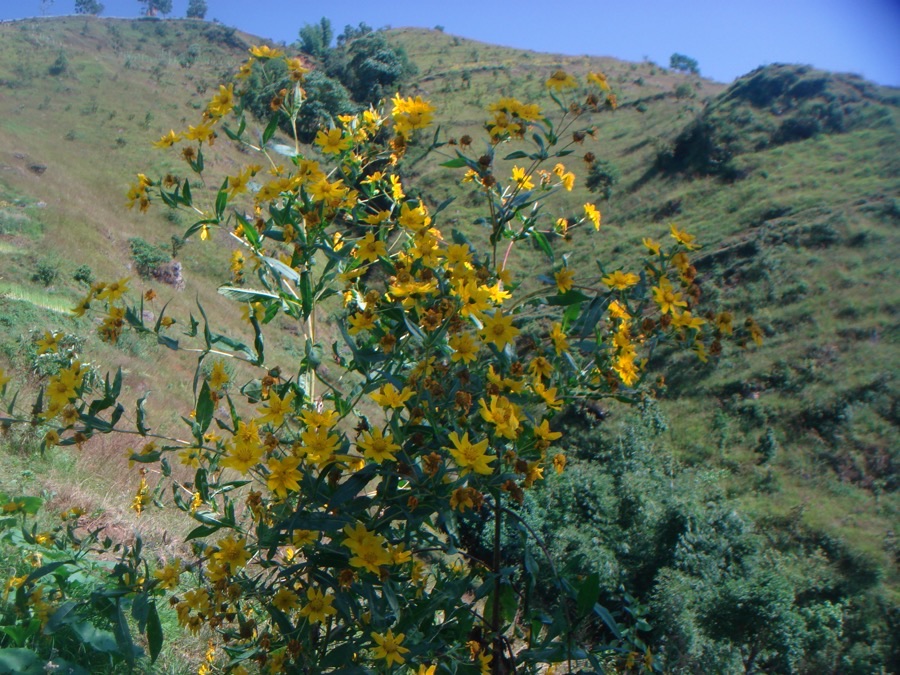
Photo: Jebicca Karki, CC BY-SA 3.0 (Wikimedia Commons)
Niger is the crop that grows where the good crops drowned. Across the Ethiopian highlands, where it is called noug and takes up a very large share of the whole country's oilseed land, it is sown on heavy black soils that stay waterlogged long after other crops would have rotted, and on acid or eroded land that would not carry a cereal. India grows it on poor hill and tribal land in Madhya Pradesh, Odisha, Chhattisgarh, Maharashtra and Karnataka, and Nepal grows it on steep slopes. The seed gives a pale mild cooking oil, the cake left after pressing feeds livestock, and the flowers feed bees so well that many growers make as much from honey as from seed. It also travels: much of the small black seed sold across Europe and North America as nyjer birdseed is grown by smallholders in Ethiopia and India.
If you see: A good-looking crop that gives far less seed than it promised, with black seed scattered on the soil under it.
It likely means: It was cut too late. Niger heads ripen unevenly and the ripe ones shatter, dropping their seed on the ground where you cannot get it back.
Do this: Cut when about half to three quarters of the heads have turned brown, not when all have.
If you see: A field that flowered beautifully for weeks and set very little seed in the heads.
It likely means: Poor pollination. Niger cannot pollinate itself at all, so if insects were not working the flowers there was nothing to make seed from.
Do this: Do not spray anything while the crop is in flower.
If you see: Heads stripped bare at the field edges, especially near trees, hedges or buildings.
It likely means: Birds. This seed is sold across the world specifically as birdseed, and wild birds find a standing crop very quickly.
Do this: Watch the edges nearest to cover, since that is where birds work from.
If you see: Plants of very different heights ripening at very different times in the same field.
It likely means: This is normal for niger rather than a fault. The plants cross with each other, so a field is a mixture and never a uniform variety.
Do this: Expect it, and judge the harvest on the proportion of brown heads rather than waiting for evenness.
If you see: Stored seed that smells stale or bitter, or a pressing that gives poor-tasting oil.
It likely means: The seed went into store damp, or was held too long. Oilseed that is not fully dry heats, and the oil inside turns rancid, which means it goes stale and bitter.
Do this: Dry the seed in the sun until it is hard and rattles before storing.
If you see: A tall crop lying flat after wind or rain, with heads on the soil.
It likely means: Lodging, which means the crop has fallen over. Usually too much nitrogen, or unusually rich land, or a very thick stand of tall thin plants.
Do this: Do not overfeed nitrogen, since this crop is built for poor land.
Growing the crop is only part of the job. The last part is knowing what a normal harvest looks like where you are, and knowing what your niger seed is worth before you agree a price with anybody.
If you forget every other page of this guide, keep these lines. They are the whole crop, in order, short enough to carry in your head.
What does a niger plant look like?
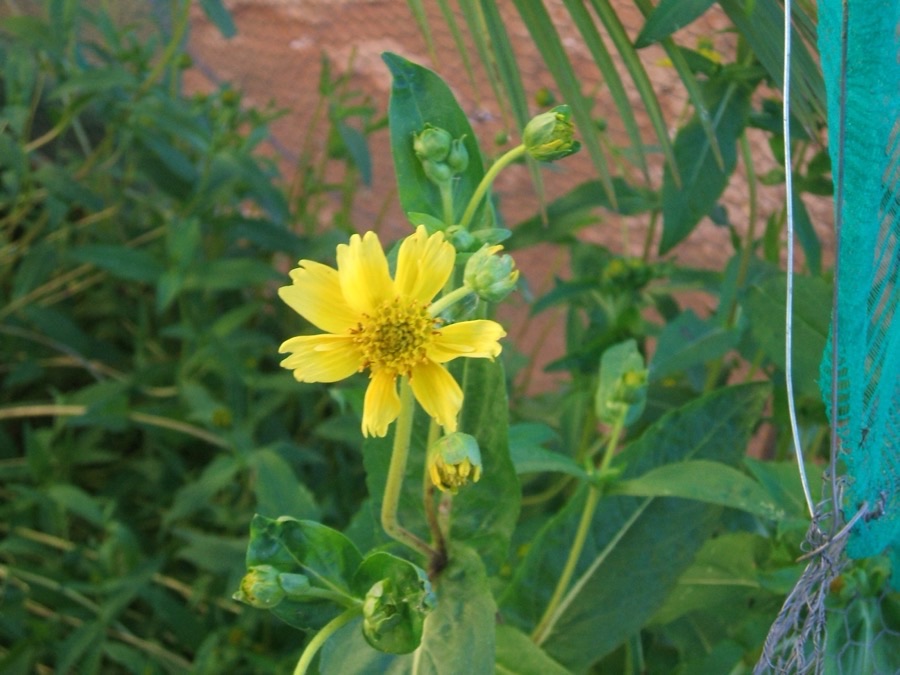
What does the flower head look like up close?
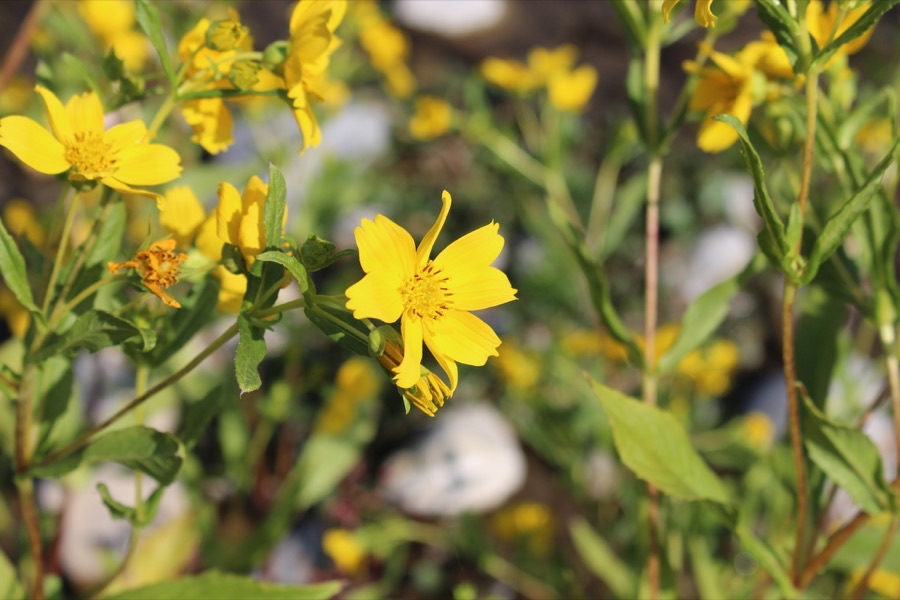
How do you judge when the crop is ready to cut?