 Laisha
AI Operating System for Agriculture
Enter Laisha
Laisha
AI Operating System for Agriculture
Enter Laisha
Prunus persica · Also called: Peach, Nectarine, Aadu, Aaru, Shaftalu, Pêche, Nectarine, Durazno
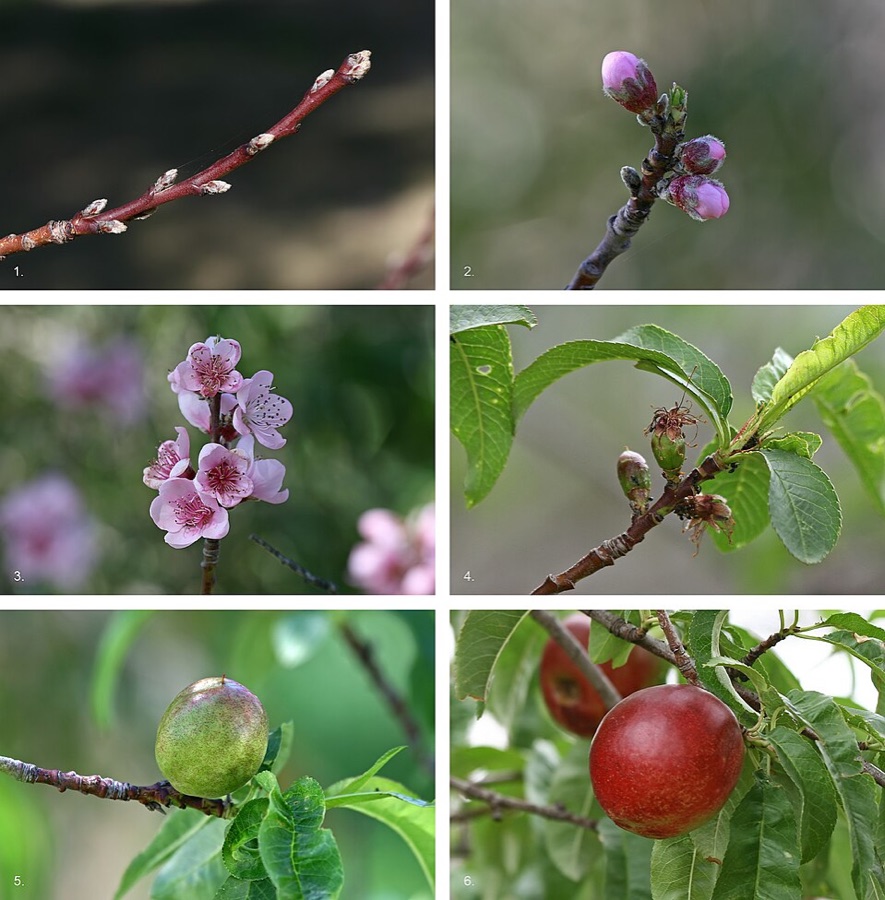
Photo: jjron, CC BY-SA 3.0 (Wikimedia Commons)
A peach comes into cropping faster than almost any other fruit tree, giving a real harvest in its third year, and it is one of the highest-value fruits per tree that a smallholding can carry. China grows far more than the rest of the world put together, and it is a significant crop across the Mediterranean, the Americas, the Middle East and the hill districts of South Asia. The plant asks two things in return that no amount of care replaces. It needs a genuinely cold winter, counted in hours rather than months, and it fruits only on the shoots that grew last year — so a tree that is not cut back hard every single year stops producing on the inside and carries its crop further out of reach each season, until it is a tall tree with fruit only at the top.
If you see: New leaves in spring that are thickened, puckered and curled, flushed red or pale yellow-green, later turning grey with a powdery bloom and falling off the tree.
It likely means: Peach leaf curl, a fungus that infects the buds as they swell at the very start of the season. By the time the leaves are visibly curled the infection happened weeks earlier.
Do this: Pick off and remove badly affected leaves, and remove fallen ones, rather than leaving them under the tree.
If you see: A tall tree with bare, bark-covered branches through the middle and lower parts, carrying its fruit only in a thin layer at the very top and outer edges, out of reach.
It likely means: The tree has not been pruned hard enough for several years. Peach fruits only on last year's shoots, so wood that did not make new shoots simply stops producing forever.
Do this: Start cutting hard now, removing a large share of the old wood back to points where young shoots can take over.
If you see: Flowers that opened and then browned and dropped within a day or two after a clear cold night, with the small green centre of each flower blackened when cut open.
It likely means: Frost killed the open flowers. Peach flowers very early on bare wood with no leaves to shelter them, which is why it is caught so often.
Do this: Accept that the crop from those flowers is gone, because nothing applied afterwards restores a frosted flower.
If you see: A heavy crop of small fruit, many of them split open at the stem end or with the stone broken apart inside when cut, and branches bending or breaking under the load.
It likely means: The tree set far more fruit than it could size and nobody thinned it. Uneven water supply during stone hardening makes the splitting worse.
Do this: Thin the young fruit each year once the natural drop is over, to roughly a hand's width apart on each shoot.
If you see: Blobs of clear or amber jelly-like gum oozing from the trunk or main branches, sometimes mixed with sawdust, with the bark beneath sunken, dark or split.
It likely means: Either a boring insect at the base of the trunk, or a bacterial or fungal canker in the wood. Gum by itself is the tree's response to injury and says something is wrong there.
Do this: Scrape gently to see what is underneath. Sawdust mixed with the gum points to a borer, and sunken dead bark points to a canker.
If you see: Ripening fruit turning brown and soft with rings of small buff-coloured cushions on the skin, spreading from fruit to touching fruit, and shrivelled black fruit left hanging on the tree.
It likely means: Brown rot. It spreads fastest in warm wet weather, enters through bruises, splits and insect holes, and survives the winter in those shrivelled hanging fruits.
Do this: Pick off and remove every shrivelled hanging fruit and every rotten one on the ground, and take them out of the orchard.
If you see: A tree that leafs out very unevenly in spring, with long bare stretches of branch between scattered tufts of leaves, flowering thinly and irregularly over several weeks.
It likely means: The tree did not get enough winter cold. Peach counts cold hours before it will break its buds properly, and a mild winter leaves buds that never open.
Do this: Find out what kind you have and how much winter cold it needs, because the fix is the variety rather than anything you do to this tree.
Growing the crop is only part of the job. The last part is knowing what a normal harvest looks like where you are, and knowing what your fruit is worth before you agree a price with anybody.
If you forget every other page of this guide, keep these lines. They are the whole crop, in order, short enough to carry in your head.
What are these six stages showing, from a bare stick to a red fruit?
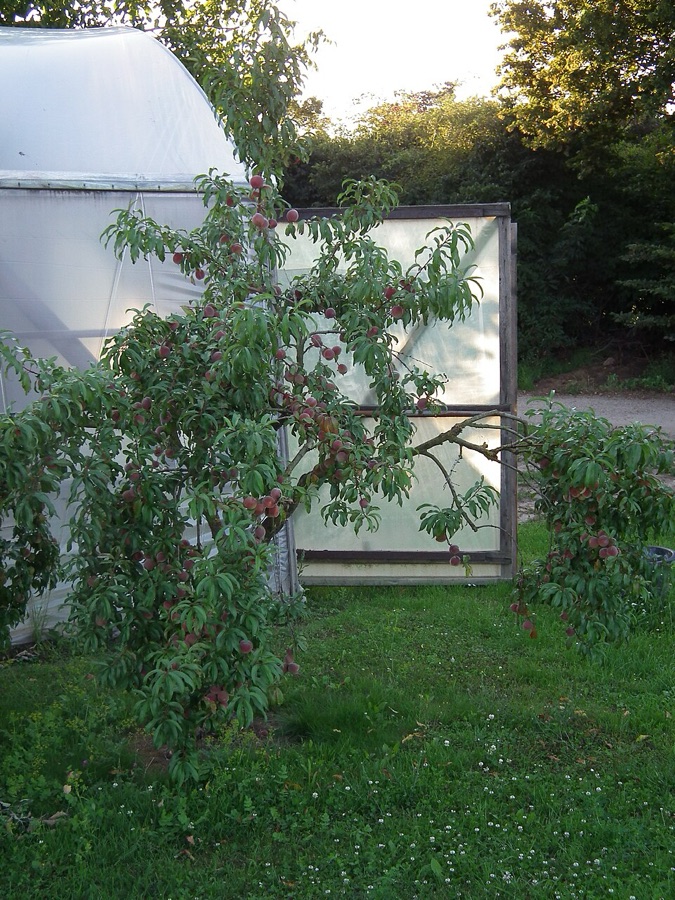
Where on this tree is the crop actually hanging, and what does that tell me about pruning?
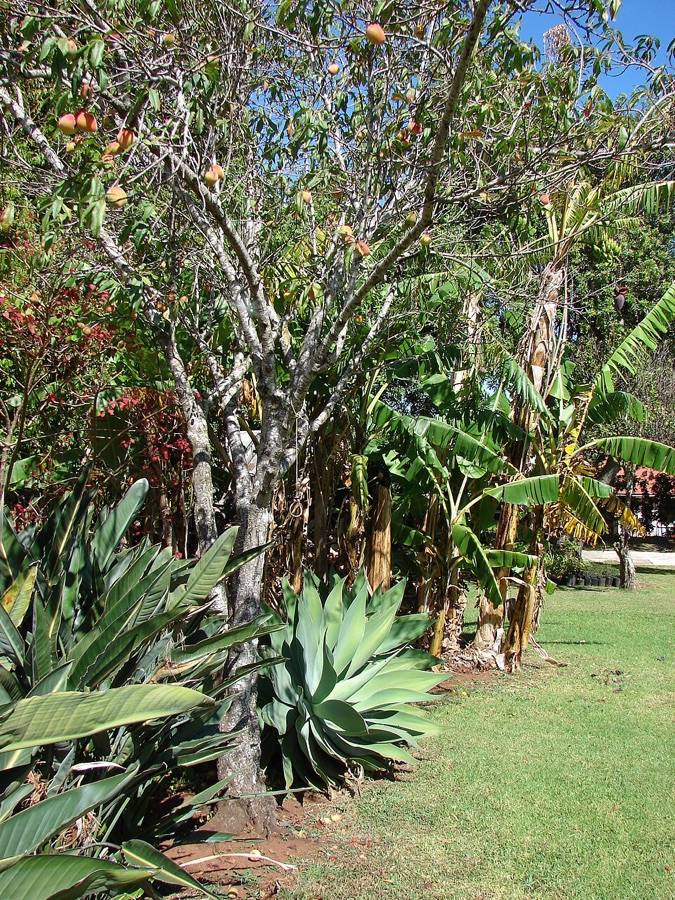
Why is this peach tree leafing out in ragged tufts with long bare stretches of branch between them?