 Laisha
AI Operating System for Agriculture
Enter Laisha
Laisha
AI Operating System for Agriculture
Enter Laisha
Pyrus communis · Also called: European pear, Common pear, Nashpati, Poire, Pera, Birne, Peer, Grusha
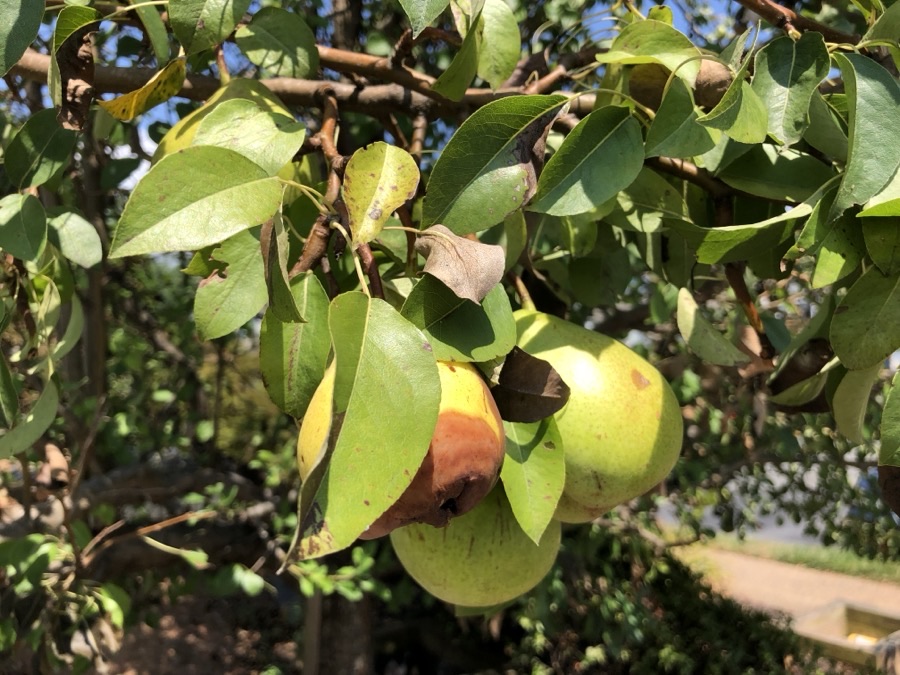
Photo: Famartin, CC BY-SA 4.0 (Wikimedia Commons)
A pear tree is a long, quiet investment that outlives the person who plants it. Trees of a hundred years are still cropping in old orchards across Europe and Central Asia, and a pear will take heavier, wetter ground than an apple will, which makes it the fruit tree for land that would drown its neighbours. China grows by far the most pears in the world, with the United States, Argentina, Turkey and Italy following. The fruit stores and travels well, and the one thing that separates growers who are paid from growers who are not has nothing to do with the field at all: the European pear must be picked hard and green and ripened off the tree, because a pear left to ripen where it grew turns brown and mealy at the core while the outside still looks perfect.
If you see: Pears that look perfect outside, with sound skin and a good colour, but are brown, soft and grainy in the middle when cut open.
It likely means: The fruit was left on the tree too long. A European pear ripens from the inside outward, so by the time it feels ready on the branch the core has already broken down.
Do this: Pick while the fruit is still hard and green, and ripen it indoors instead.
If you see: Shoots that wilt suddenly, turn black as though burned, and bend over at the tip like a shepherd's crook, with dead leaves still clinging to them, often in warm wet weather at or just after flowering.
It likely means: Fire blight. It enters through flowers and soft young shoots, moves down inside the wood, and can kill a whole tree in a season.
Do this: Cut out every affected shoot at least thirty centimetres back into clean healthy wood, and burn what you cut.
If you see: A tree that flowers heavily every spring and carries almost no fruit, with the flowers simply dropping away a week or two later.
It likely means: Either no second kind to pollinate it, a frost during flowering, or weather too cold for the bees to fly at the wrong fortnight.
Do this: Plant a second kind that flowers at the same time, which is the commonest missing piece.
If you see: Flowers whose centres have gone brown or black after a cold night, dropping away over the following week while the leaves carry on normally.
It likely means: Frost during flowering. Pear flowers early, so it is exposed to late frosts that miss the apples down the row.
Do this: Plant out of frost pockets and on slopes where cold air drains away, since this is decided at siting and cannot be fixed later.
If you see: Leaves going silvery, bronzed or sticky and sooty black through the summer, sometimes with blistered patches, and fruit that stays small and marked.
It likely means: Sap-feeding pests of pear, usually the psylla or the leaf blister mite. They do not kill the tree but they mark the fruit and cost the grade.
Do this: Keep nitrogen moderate, because soft lush growth is what these pests build up on.
If you see: Brown sunken patches appearing on fruit after a week or two in store, on fruit that looked unmarked when it was picked.
It likely means: Bruising at picking or handling. Pear skin marks invisibly at the moment of impact and the mark develops days later.
Do this: Pick into padded baskets or lined crates, and never tip fruit from one container into another.
If you see: A vigorous healthy young tree, growing strongly and making plenty of long shoots every year, that has still produced no fruit after many seasons.
It likely means: Usually youth on a vigorous root, too much nitrogen, or pruning that keeps forcing new growth instead of letting fruiting spurs form.
Do this: Find out what root it is on, because a pear on pear root can honestly take eight years while one on quince root takes four.
Growing the crop is only part of the job. The last part is knowing what a normal harvest looks like where you are, and knowing what your fruit is worth before you agree a price with anybody.
If you forget every other page of this guide, keep these lines. They are the whole crop, in order, short enough to carry in your head.
The pears on this tree are still hard and green. Am I too early?
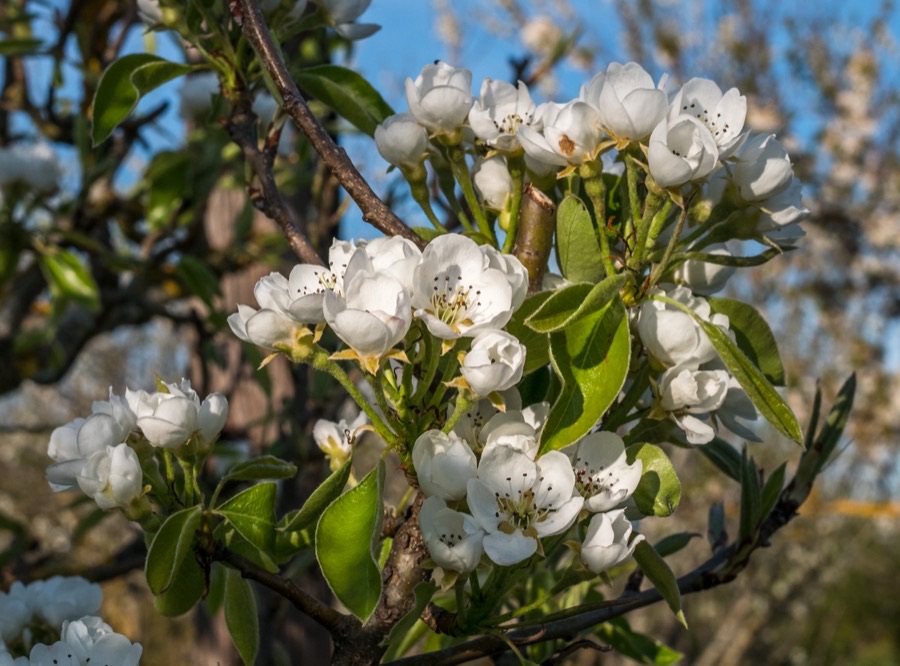
The whole tree is white with flowers. Does that mean a heavy crop?
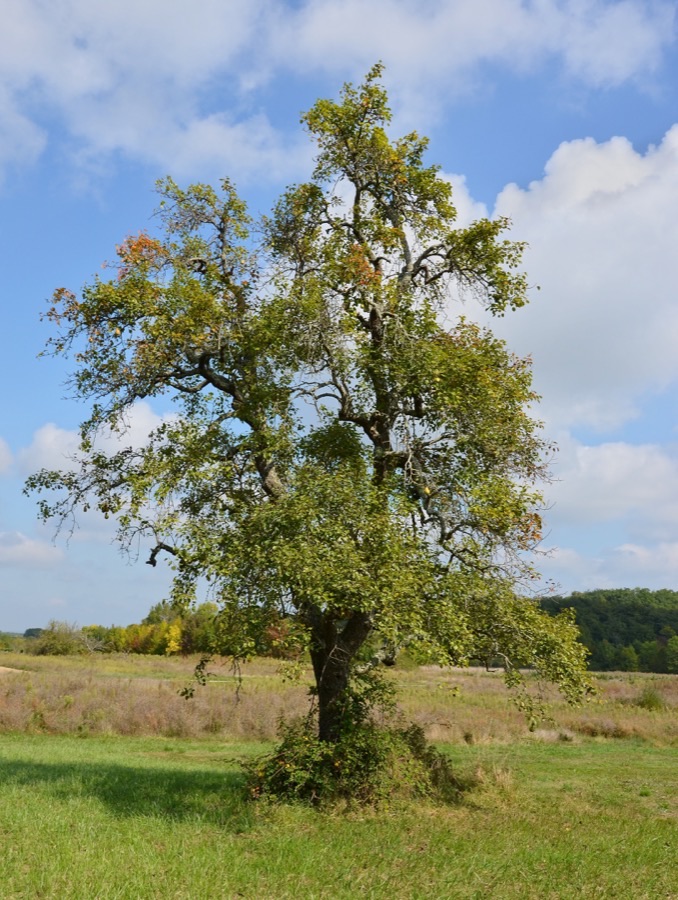
How much room does one of these trees actually need?