 Laisha
AI Operating System for Agriculture
Enter Laisha
Laisha
AI Operating System for Agriculture
Enter Laisha
Carya illinoinensis · Also called: Pecan nut, Pecannut, Nuez pecana, Nuez encarcelada, Pekannuss, Noix de pécan, Pecã
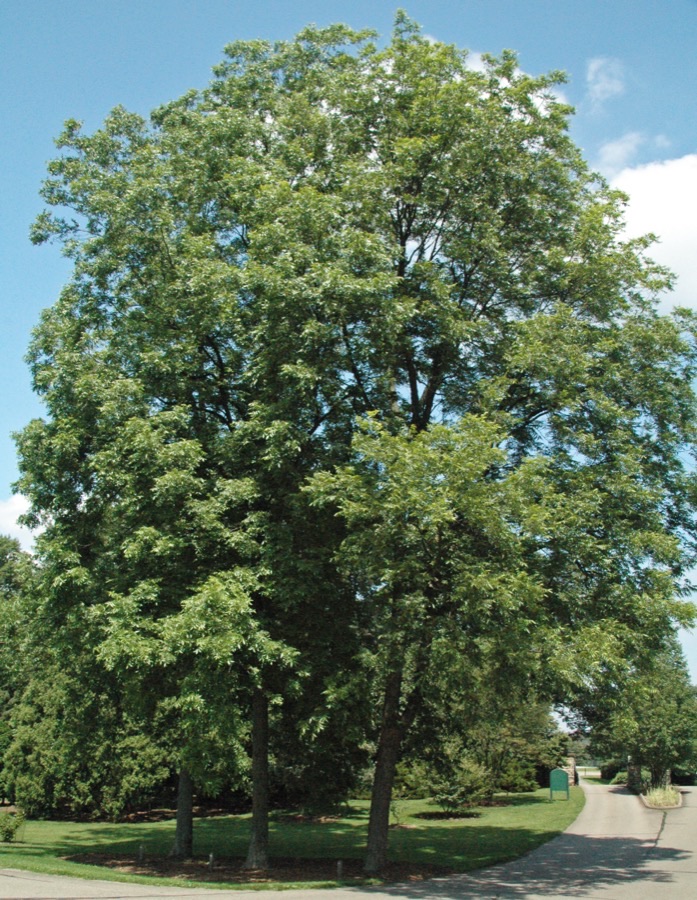
Photo: James St. John, CC BY 2.0 (Wikimedia Commons)
Pecan is a long game that pays for a very long time. A grafted tree begins cropping in its sixth or seventh year, reaches full production somewhere around twenty, and keeps going for a century. The United States and Mexico grow most of the world's crop, with South Africa, Australia, Brazil, Argentina, Peru, China, Egypt and Israel all now planting seriously. The nut is high-value, it stores for a year when it is kept cold, and it is sold by weight of kernel rather than by looks, which means a grower who handles it well is not at the mercy of appearance the way a fruit grower is. What it asks in return is patience, deep soil, a great deal of water, and a decision at planting — which varieties, and whether their flowering will actually overlap — that cannot be corrected for a decade.
If you see: A block of healthy mature trees, all the same variety, flowering every year and setting few nuts.
It likely means: There is nothing to pollinate them. A pecan's male and female flowers open at different times on the same tree, so one variety on its own pollinates itself badly.
Do this: Plant a second variety chosen so that it sheds pollen while the first is receiving.
If you see: Nuts that look full-sized but feel light and rattle, with shrivelled or missing kernels inside.
It likely means: Usually water shortage while the kernels were filling, sometimes too heavy a crop for the tree to fill, sometimes both.
Do this: Irrigate hardest during kernel filling, which is the most demanding period of the year.
If you see: Kernels that are dark brown rather than pale golden, and a buyer offering a lower grade.
It likely means: The nuts sat on the ground too long after falling, or got wet, or were dried too hot or in full sun.
Do this: Gather within a day or two of shaking, and gather again promptly after rain.
If you see: Small crowded leaves at the shoot tips, yellow mottling between the veins, and shoots that die back.
It likely means: Zinc shortage. Pecans need more zinc than almost any other crop and commonly do not get enough, especially on alkaline soils.
Do this: Ask a licensed dealer about local zinc practice, since it is usually sprayed on the leaves rather than put in the soil.
If you see: Dark sunken spots on leaves, shoots and young husks, with small nuts turning black and dropping.
It likely means: Scab, the main pecan disease anywhere summers are humid. It attacks the husk and the whole nut is lost.
Do this: Choose scab-resistant varieties where humidity is high, since variety choice is the main defence.
If you see: Young trees that sit still for years, growing weakly however well they are watered and fed.
It likely means: The taproot was bent or curled at planting. A pecan sends a long taproot straight down and a tree that could not do so never recovers.
Do this: Dig a deep enough hole that the taproot goes straight down without curling.
Growing the crop is only part of the job. The last part is knowing what a normal harvest looks like where you are, and knowing what your pecans are worth before you agree a price with anybody.
If you forget every other page of this guide, keep these lines. They are the whole crop, in order, short enough to carry in your head.
What does a pecan tree look like?
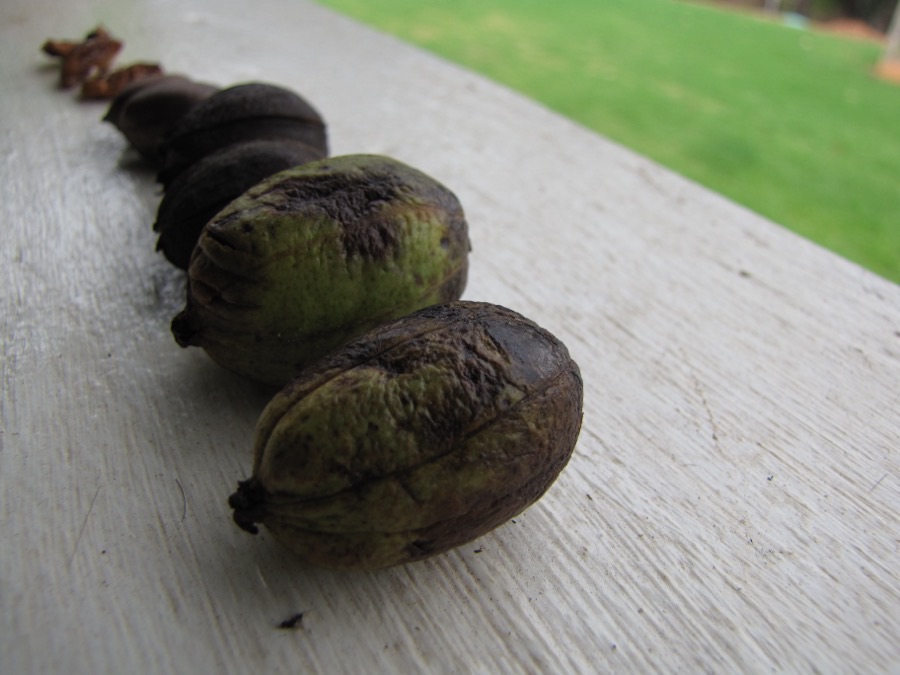
When are the nuts ready to gather?
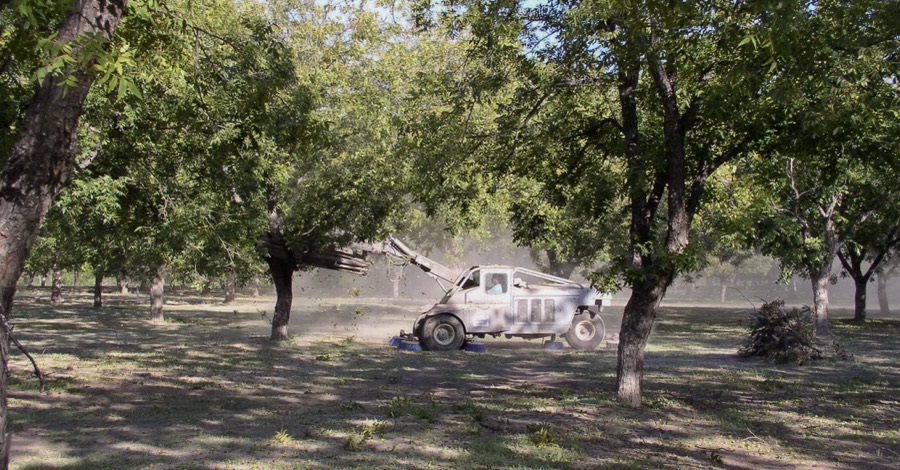
How is the crop actually gathered?