 Laisha
AI Operating System for Agriculture
Enter Laisha
Laisha
AI Operating System for Agriculture
Enter Laisha
Musa × paradisiaca · Also called: Plantain / cooking banana, Cooking banana, Banane plantain, Plátano macho, Matoke, Matooke, Gonja, Ogede agbagba
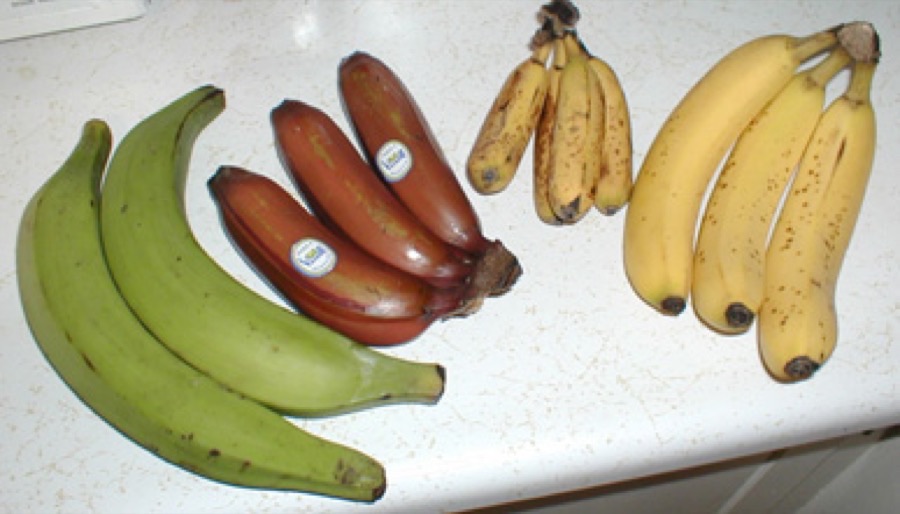
Photo: TimothyPilgrim, CC BY-SA 3.0 (Wikimedia Commons)
Plantain is a staple food that behaves like a tree crop. It is planted once and fed from for years, it carries a household through the hungry months when grain stores are low, and it does that in the wet tropics where storing grain is hardest. Cameroon, Ghana, Nigeria, the Democratic Republic of the Congo, Uganda, Côte d'Ivoire, Colombia, Peru and Ecuador are among the largest producers, and in much of West and Central Africa it is grown not in plantations but in mixed home gardens and under young cocoa. It is a cash crop and a food crop at the same time, and the bunch is one of the few harvests a smallholder can sell whole.
If you see: A healthy-looking plant that suddenly snaps off or falls over at the base, and a corm full of dark reddish tunnels when you cut it open.
It likely means: Banana weevil. The grubs tunnel through the corm until it cannot hold the plant up, and they almost always arrived in the planting material.
Do this: Pare every sucker to clean white flesh before planting and reject any with tunnels inside.
If you see: Narrow dark streaks on the leaves that widen into black patches with yellow edges, until the leaf dies from the tip back and only two or three leaves are left working.
It likely means: Black leaf streak, also called black Sigatoka. It is the most damaging leaf disease of plantain and it spreads in wet still air.
Do this: Cut off and remove badly streaked leaves rather than leaving them hanging on the plant.
If you see: New leaves coming out narrow, short, upright and bunched together at the top of a stunted plant, with dark green streaks on the leaf stalks and midribs.
It likely means: Banana bunchy top virus, carried by aphids and by infected suckers. A plant with it will never give a bunch.
Do this: Destroy the whole affected plant and its corm at once, rather than cutting it back and hoping.
If you see: Plants that grow well enough but carry small bunches with few hands and thin fingers, year after year.
It likely means: Usually too many suckers on the mat, too little food, or a dry spell months earlier that you have already forgotten.
Do this: Keep only three plants on a mat and cut every other sucker off at ground level.
If you see: Plants carrying bunches lying flat across the plot after a storm, with the bunches broken or in the mud.
It likely means: They were not propped, or the roots were weak from nematodes, or both. A plant with a bunch on it is very top-heavy.
Do this: Prop every bunch-bearing plant with a forked pole or tie it to a neighbour, before it looks as if it needs it.
If you see: Followers on the mat with broad floppy leaves and a thin base, which grow tall and then carry a poor bunch or none at all.
It likely means: They are water suckers. They have a small corm and never make a proper plant, and keeping them wastes the mat's food.
Do this: Keep sword suckers, which have narrow pointed leaves and a fat base.
If you see: Black sunken marks over the fingers by the time the bunch reaches the market, although it looked fine when it was cut.
It likely means: Bruising in handling. Plantain skin marks at every knock and the mark darkens within a day.
Do this: Lower the bunch by notching the stem and catching it, never letting it drop.
Growing the crop is only part of the job. The last part is knowing what a normal harvest looks like where you are, and knowing what your bunches are worth before you agree a price with anybody.
If you forget every other page of this guide, keep these lines. They are the whole crop, in order, short enough to carry in your head.
How do I tell a plantain from an ordinary eating banana?
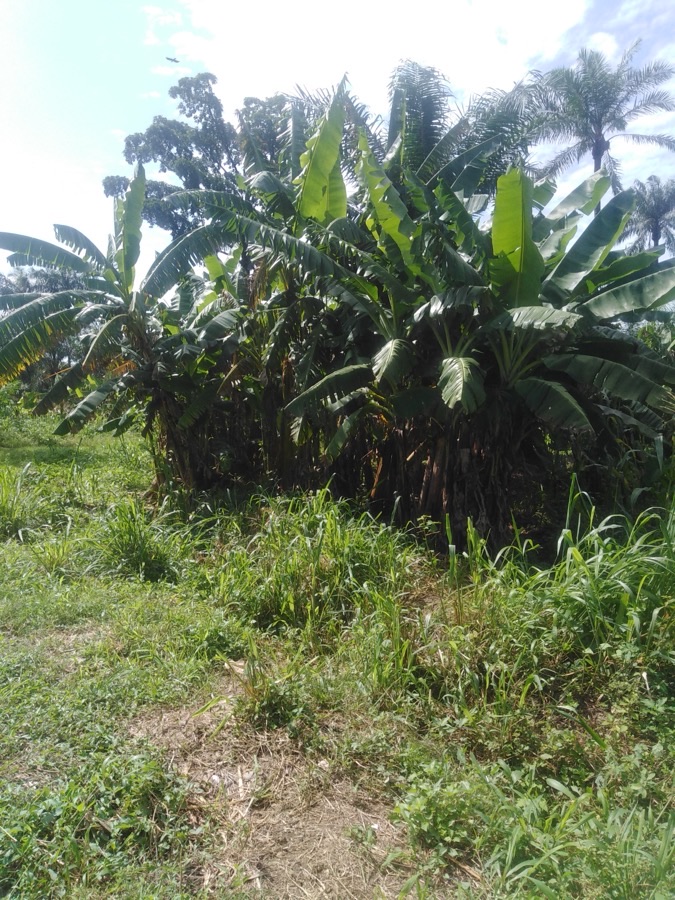
Why are there so many plants growing from the same spot in the field?
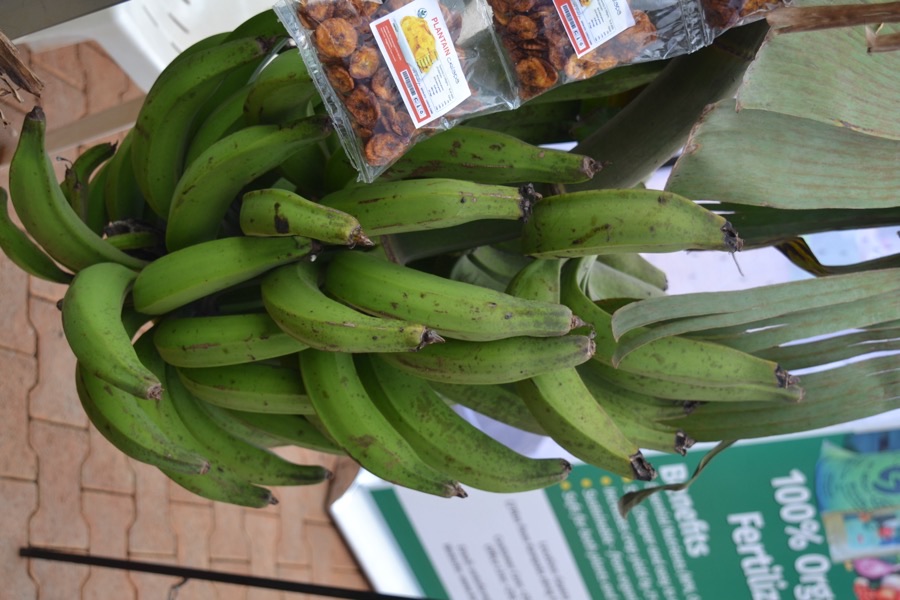
When is the bunch ready to cut?