 Laisha
AI Operating System for Agriculture
Enter Laisha
Laisha
AI Operating System for Agriculture
Enter Laisha
Opuntia ficus-indica · Also called: Cactus pear, Indian fig, Barbary fig, Tuna, Nopal, Nopalito, Sabra, Figue de Barbarie
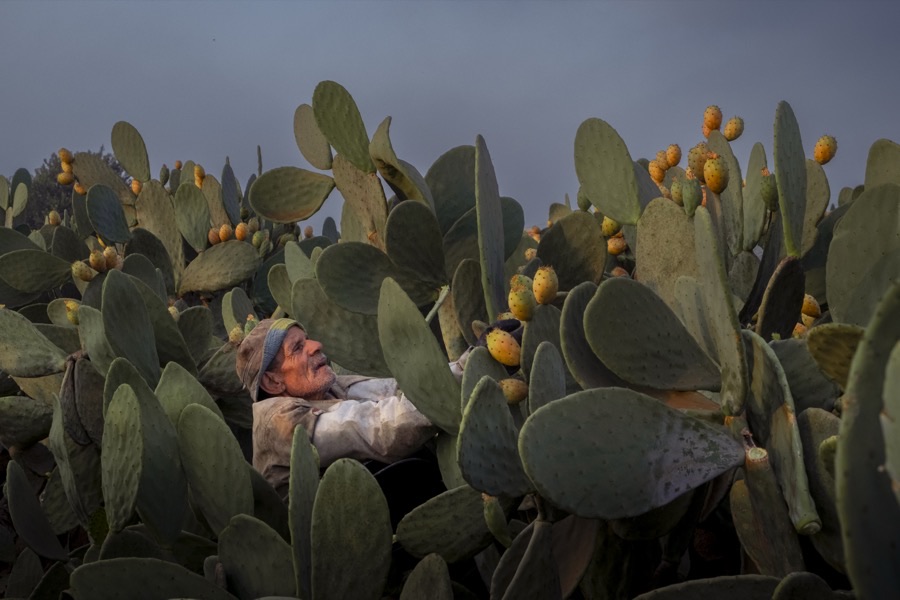
Photo: Yousef Naser Mohamed Mohamed, CC BY-SA 4.0 (Wikimedia Commons)
This is a crop for land that will not carry a crop. It breathes at night and keeps its pores shut through the heat of the day, so it loses a fraction of the water any ordinary plant loses, and it will fruit on stony ground and on rainfall that would kill a cereal. In much of Mexico, North Africa, the Mediterranean, the Horn of Africa and the drier parts of India it does three jobs at once: it sells fruit, it feeds cattle through a drought when there is nothing else green, and its young pads are eaten as a vegetable. For a farmer on dry land it is one of very few plants that turns useless ground into income. It has to be said in the same breath that it has ruined enormous areas of good grazing where it escaped, and that is a real part of the decision to plant it.
If you see: Newly planted pads going soft, black and sour-smelling instead of rooting.
It likely means: They were planted before the cut had healed, or planted too deep, or watered in. All three let rot into the wound.
Do this: Cure pads in shade for one to three weeks until the cut has a firm dry skin before planting.
If you see: Patches of white waxy fluff on the pads that leave a deep crimson stain when crushed.
It likely means: Cochineal insect. The same insect is farmed on purpose elsewhere for its red dye, but on a fruit orchard it is a pest that weakens and can kill plants.
Do this: Knock light infestations off with a strong jet of water, which works better than people expect.
If you see: Hands, arms and faces full of fine bristles that itch for days, and buyers refusing the fruit.
It likely means: Glochids. They are the tiny barbed bristles in the little cushions on the fruit and pads, and they are the real hazard of this crop.
Do this: Pick in the early morning while dew holds the bristles down.
If you see: Plenty of fruit but all of it small, and a buyer paying a low grade price.
It likely means: Too many fruits left on each pad, or too little light reaching the pads because the plant was never pruned.
Do this: Thin the young fruit, leaving perhaps six to ten of the best on a pad.
If you see: Prickly pear coming up in grazing land, along fences and in gullies where nobody planted it.
It likely means: It is escaping. Birds and animals carry the seed, and any pad that falls off will root where it lands.
Do this: Collect and destroy every pad that falls or is pruned off rather than leaving it on the ground.
If you see: Fruit that looks ripe but is bland, hard or sour when it is eaten.
It likely means: It was picked before it was ready. This fruit does not sweeten after picking, so whatever sugar it had when cut is all it will ever have.
Do this: Wait until the colour has changed completely over the whole fruit, not just on one side.
Growing the crop is only part of the job. The last part is knowing what a normal harvest looks like where you are, and knowing what your prickly pears are worth before you agree a price with anybody.
If you forget every other page of this guide, keep these lines. They are the whole crop, in order, short enough to carry in your head.
What does a planted stand look like?
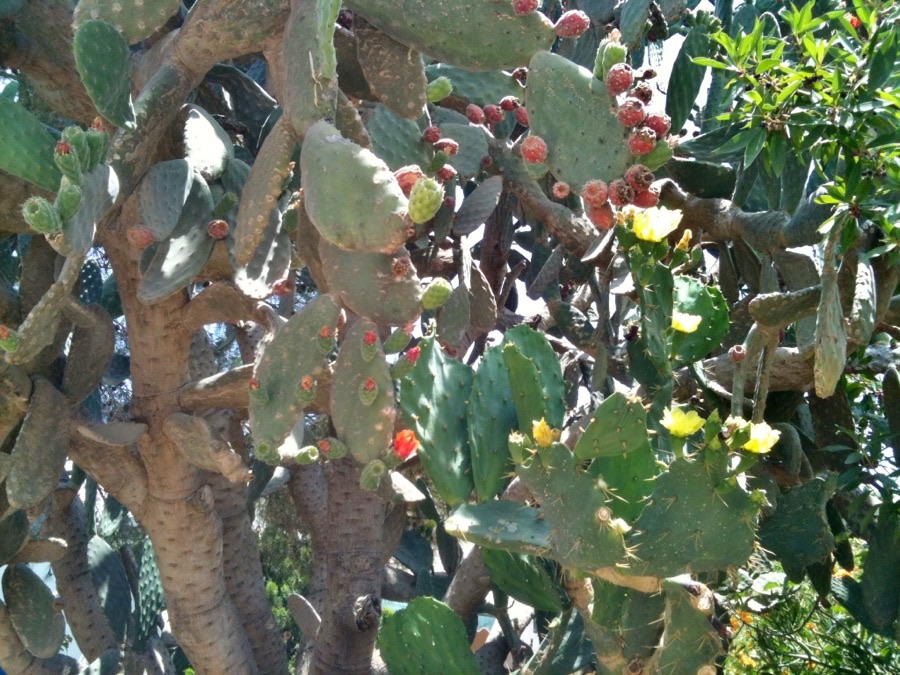
What do the flowers look like?
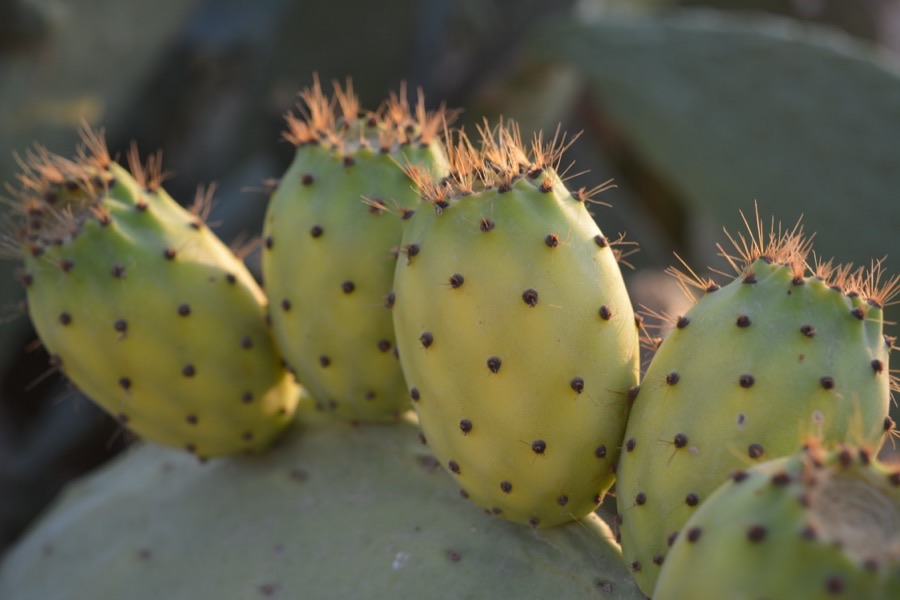
What does unripe fruit look like, and where are the bristles?