 Laisha
AI Operating System for Agriculture
Enter Laisha
Laisha
AI Operating System for Agriculture
Enter Laisha
Hibiscus sabdariffa · Also called: Hibiscus, Karkade, Karkadeh, Bissap, Zobo, Sobolo, Jamaica, Flor de Jamaica
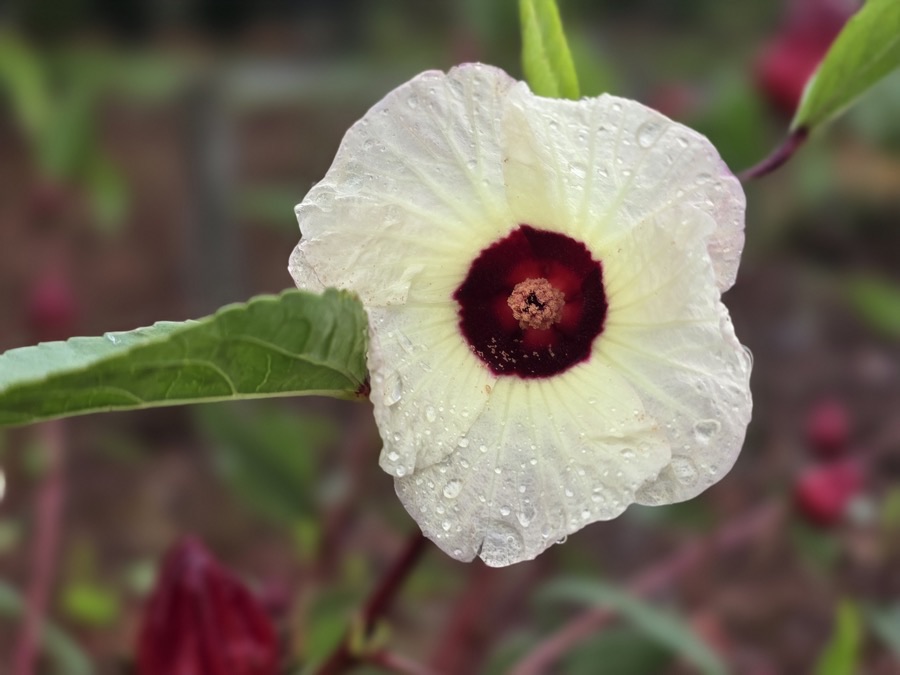
Photo: Horacio Cambeiro, CC BY-SA 3.0 (Wikimedia Commons)
Roselle is a drink crop that grows on land nobody is fighting over. Sudan built an export trade on dried karkade, Nigeria and Ghana drink zobo and sobolo, Senegal and Mali drink bissap, Egypt drinks karkadeh, Mexico sells agua de jamaica, the Caribbean makes sorrel at Christmas, and Thailand, China and India all grow it. It stands drought, it takes poor soil, it needs almost no spraying, and the part that is sold, the dried red cup, is light, keeps for a year and travels well, which is a rare combination for a smallholder a long way from a city. The leaves are a sour green vegetable in their own right across India, Myanmar and West Africa, so the same plant can feed the household while the cups are being dried for sale.
If you see: Dried cups that have gone pale, brownish or dull instead of staying deep red.
It likely means: They were dried in direct sun, or stored in the light. The red colour is what buyers are paying for and it fades in light even after drying.
Do this: Dry in shade with good air movement rather than in the sun.
If you see: Tall vigorous plants with small thin cups that are hardly worth picking.
It likely means: You are probably growing a fibre roselle rather than a calyx one. The two look alike when young and only one of them produces a crop worth drying.
Do this: Ask specifically for a calyx variety when buying seed, and say what you want it for.
If you see: Cups that are dry, woody and fibrous on the bush, and bend rather than snap.
It likely means: They were left too long. A roselle cup is at its best for a fairly short window, about two to three weeks after the flower falls.
Do this: Pick every few days rather than waiting for a big single harvest.
If you see: Small plants that start flowering when they are only knee or waist high, giving few cups.
It likely means: The crop was sown too late. Roselle flowers as the days shorten, so a late crop runs out of long days before it has built a bush.
Do this: Sow as early in the warm season as the soil and frost allow.
If you see: Stored cups that smell musty, have stuck together, or show grey or white growth.
It likely means: They went into store before they were properly dry, or damp got into the store afterwards.
Do this: Dry until the cups are brittle and snap rather than bend.
If you see: Plants that suddenly wilt and die, usually in the lowest part of the field after heavy rain.
It likely means: Root rot in waterlogged soil. Roselle takes drought very well and standing water very badly.
Do this: Plant on ridges or raised beds where drainage is doubtful.
Growing the crop is only part of the job. The last part is knowing what a normal harvest looks like where you are, and knowing what your roselle is worth before you agree a price with anybody.
If you forget every other page of this guide, keep these lines. They are the whole crop, in order, short enough to carry in your head.
What does the roselle flower look like, and is it the crop?
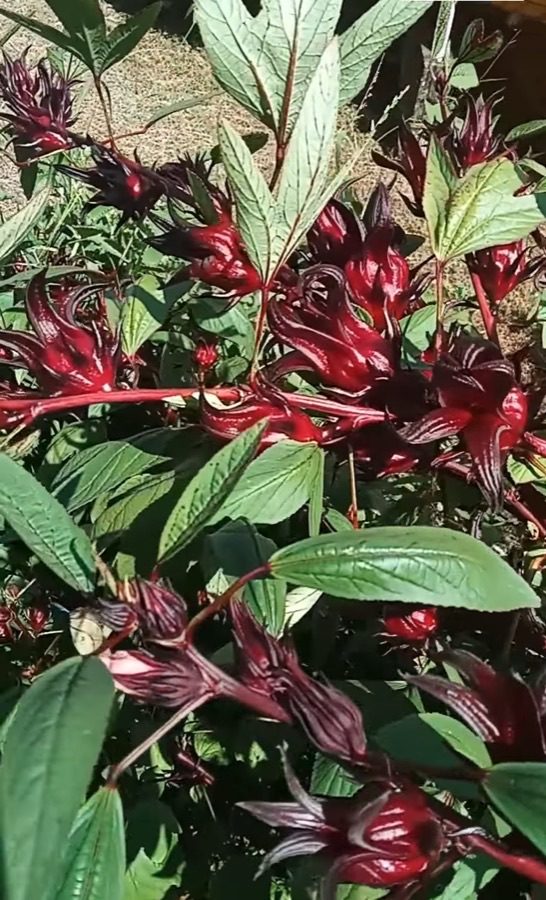
When is a cup ready to pick?
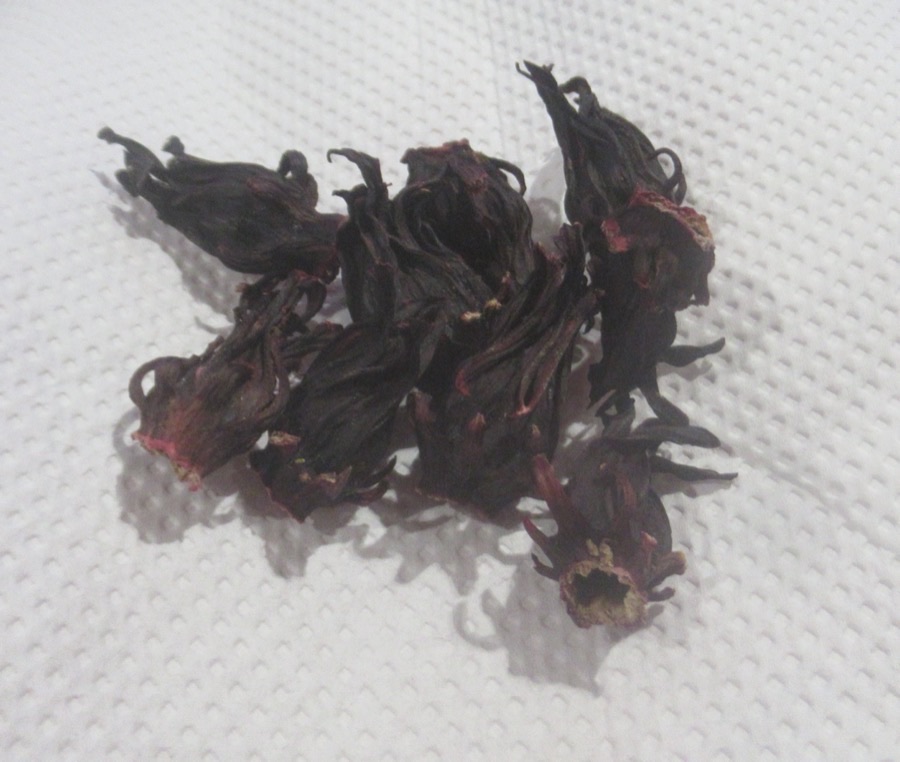
What should properly dried calyces look like?