 Laisha
AI Operating System for Agriculture
Enter Laisha
Laisha
AI Operating System for Agriculture
Enter Laisha
Vitellaria paradoxa · Also called: Shea (karité), Karité, Shea nut, Shea butter tree, Nku, Taama, Lulu, Okwuma
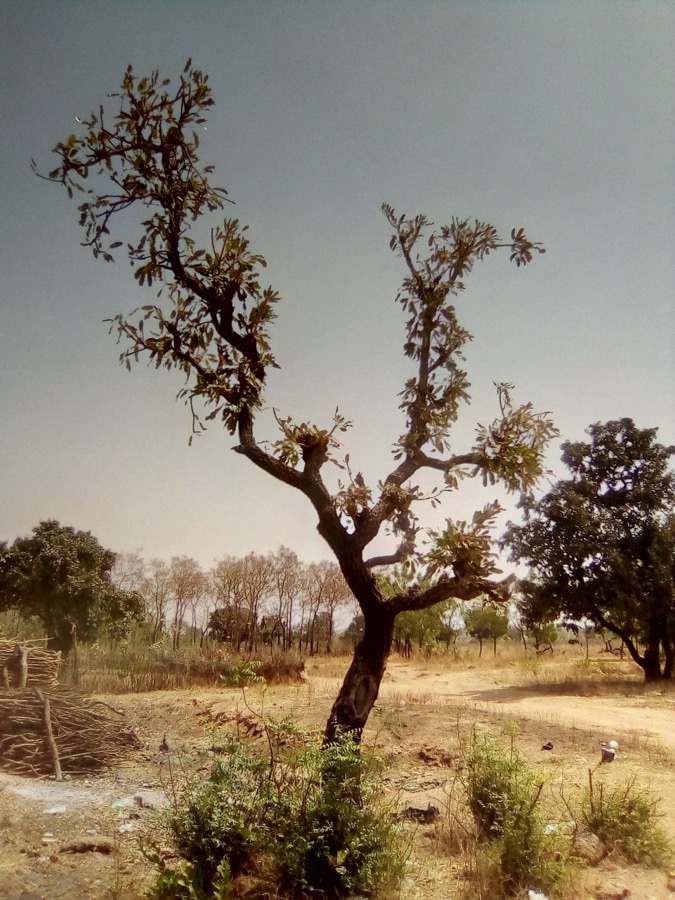
Photo: Dnshitobu, CC BY-SA 4.0 (Wikimedia Commons)
Shea is the largest source of cash income that most rural women across the West African savannah control directly. The tree grows wild in a belt of about twenty-one countries running from Senegal across to Uganda and Ethiopia, and the nuts are gathered, processed and sold overwhelmingly by women. The fat is a staple cooking fat locally and, internationally, a raw material for cosmetics and for the chocolate trade. Mali, Burkina Faso, Ghana, Nigeria, Côte d'Ivoire, Benin, Togo and Uganda are among the main producers. Almost none of it comes from plantations. It comes from trees standing in farmed fields, which is why this guide is mostly about protecting, gathering and processing rather than about planting.
If you see: A buyer paying you a low grade price, or rejecting the lot, on nuts that look perfectly clean and dry.
It likely means: The nuts sat in their pulp too long before de-pulping. The fat inside has turned, and that cannot be seen from the outside or reversed afterwards.
Do this: De-pulp the same day you gather, or the next day at the very latest.
If you see: Butter that smells of smoke, or a buyer refusing your nuts after smelling them.
It likely means: The nuts were dried over a fire or in a smoky place. The smell goes right into the fat and cannot be removed.
Do this: Dry nuts in the sun on mats, racks or a clean hard floor, never over a fire.
If you see: Dense clumps of a different-looking leafy plant growing out of the branches high in the crown, with the tree bearing less each year.
It likely means: Mistletoe, a parasite that lives on the tree and takes its water and food. It is the most damaging pest of shea across most of its range.
Do this: Cut out each clump with the branch well below where it is attached, since cutting at the clump lets it grow straight back.
If you see: Fewer bearing trees in the fields each year, stumps where big trees stood, and a falling harvest that nobody can explain by weather.
It likely means: The trees are being cleared or cut for charcoal and firewood. A bearing shea tree took two to five decades to reach that state and will not be replaced in a working life.
Do this: Leave every healthy shea tree standing when clearing a field, and say so plainly to whoever does the clearing.
If you see: Grey or green mould on stored kernels, or a musty smell when a sack is opened.
It likely means: They went into store not quite dry, or the store took in damp. Mould here is a health matter as well as a quality one, which is why buyers test for it.
Do this: Dry until a nut rattles in its shell and cannot be dented with a fingernail before storing anything.
If you see: Branches stripped bare to the leaf stalks during the rains, with large caterpillars feeding on them.
It likely means: The shea caterpillar. It genuinely reduces the nut crop, and in parts of Burkina Faso and its neighbours it is also gathered, dried and sold as a valued food.
Do this: Weigh the two uses honestly rather than reaching automatically for a spray.
If you see: Shea trees planted from seed years ago that have grown well and have never carried a single fruit.
It likely means: They are simply not old enough. Shea from seed takes fifteen to twenty-five years to first bearing and reaches full bearing much later still.
Do this: Expect this and plan around it rather than treating it as failure.
Gathering the crop is only part of the job. The last part is knowing what a normal harvest looks like where you are, and knowing what your kernels or butter are worth before you agree a price with anybody.
If you forget every other page of this guide, keep these lines. They are the whole crop, in order, short enough to carry in your head.
What does a shea tree look like, and where does it stand?
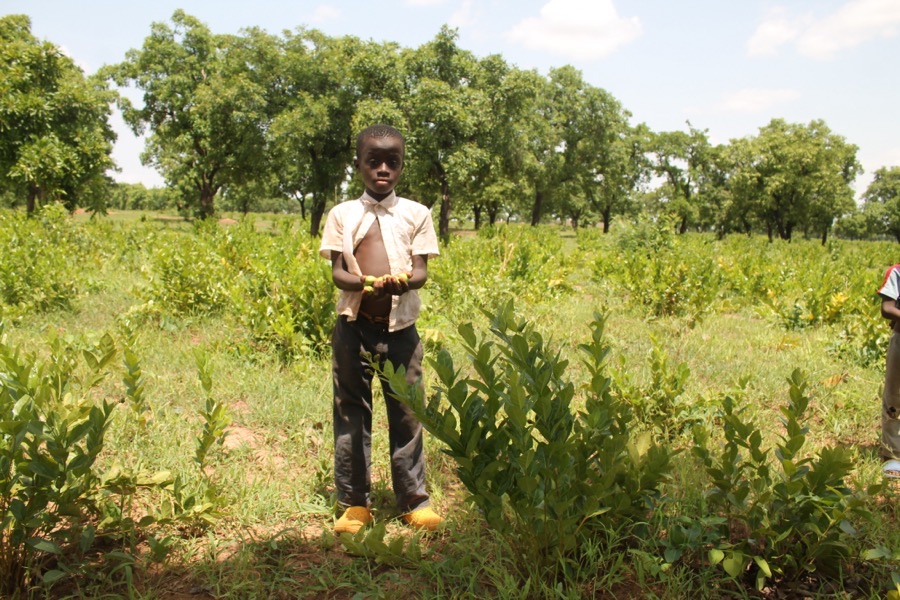
What does the fruit look like, and which part is the crop?
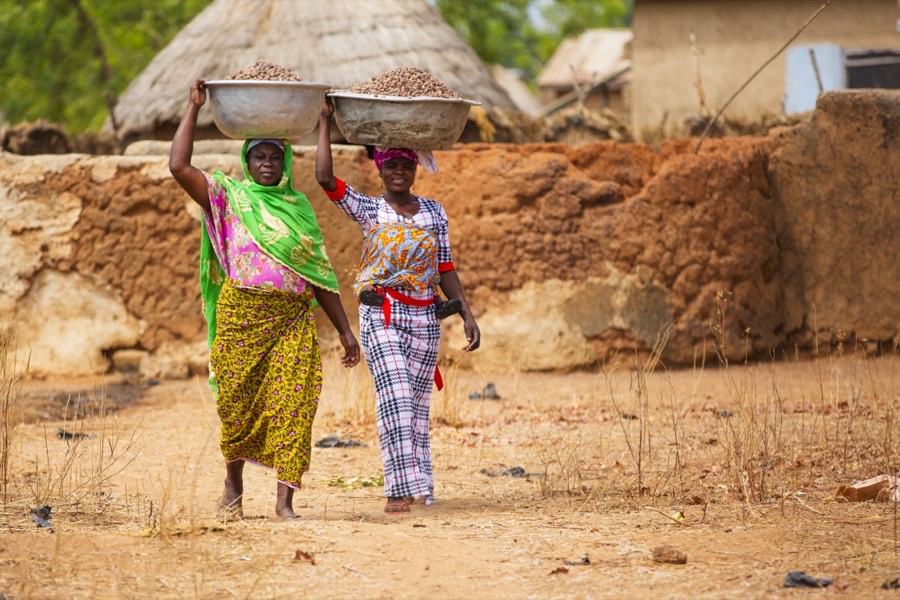
Who actually does this work, and what does a day's gathering look like?