 Laisha
AI Operating System for Agriculture
Enter Laisha
Laisha
AI Operating System for Agriculture
Enter Laisha
Spinacia oleracea · Also called: Palak, Paleng, Palakura, Épinard, Espinaca, Espinafre, Sabanikh, Ispanak
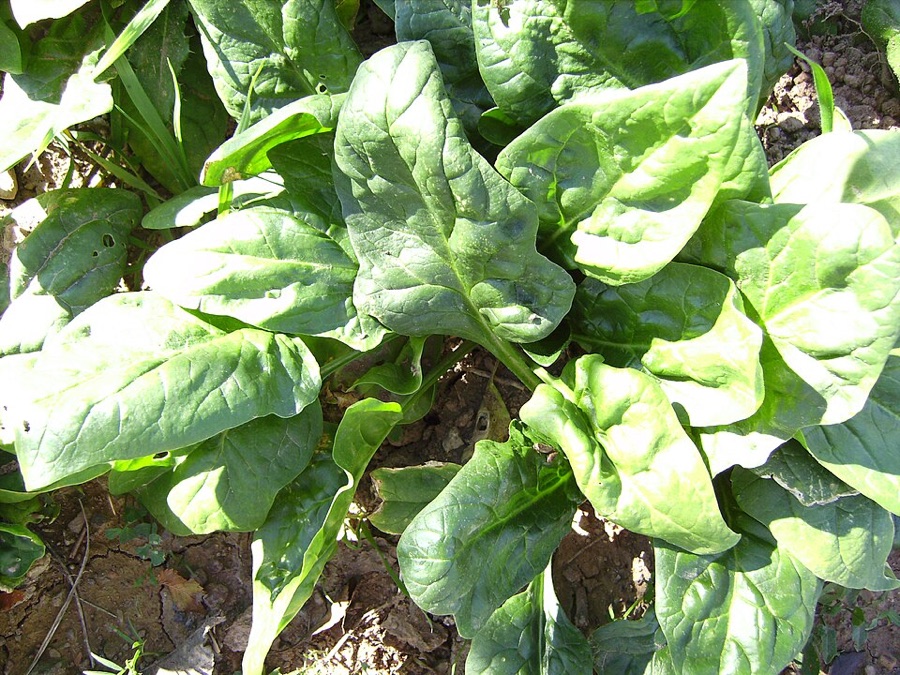
Photo: Victor M. Vicente Selvas, Public domain (Wikimedia Commons)
Spinach is one of the fastest crops there is. Seed sown today can be picked in a month, which means a small bed can be sown, cut and sown again several times in one cool season, and a household can be eating from it within weeks of deciding to plant. It is also among the most nutritious leaves commonly grown, particularly for iron and for vitamin A, which matters in exactly the households that grow it. China grows most of the world's spinach by a very large margin. Its one defining problem is that it wants to run to seed. Warm weather and long days make the plant stop producing leaves and shoot upwards to flower, and almost everything in this guide is about getting a crop off before that happens.
If you see: A stem rising out of the middle of the plant, the new leaves coming smaller, narrower and more pointed than the old ones, and the whole plant becoming tall rather than spreading.
It likely means: The plant is running to seed. It is triggered by warm weather, by lengthening days, and by any check such as drought or transplanting, and it cannot be reversed.
Do this: Cut the whole crop now rather than waiting for the leaves to get bigger, because from this point every leaf is smaller and more bitter.
If you see: Pale yellow blotches on the upper surface of leaves with a grey or purplish furry growth directly underneath them, spreading quickly through the bed in cool damp weather.
It likely means: A leaf disease that thrives in cool wet conditions and in crowded beds where the leaves stay damp. It spreads very fast and makes the leaves unsellable.
Do this: Pick off and remove affected leaves at once, and take them out of the garden rather than dropping them between the rows.
If you see: Pale winding tunnels or blotches inside the leaf itself, between the upper and lower surfaces, which cannot be rubbed or washed off.
It likely means: A small grub living inside the leaf. The damage is between the surfaces, which is why nothing applied to the outside reaches it and why the leaf cannot be cleaned.
Do this: Pick off and remove tunnelled leaves as soon as you see them, and carry them out of the garden rather than composting them beside the bed.
If you see: A row of small, pale yellowish plants with narrow leaves that simply stop growing, on ground where other crops have grown perfectly well.
It likely means: Either the soil is too sour for spinach, or the crop is short of nitrogen, or both. Spinach is unusual among vegetables in disliking acid ground.
Do this: Feed nitrogen and water it in, and see whether the colour changes within a week. If it does, it was food.
If you see: A sown row with long gaps in it, seedlings in clumps with bare stretches between, some weeks after sowing.
It likely means: Usually old seed, seed sown into a bed that dried out before the seedlings emerged, or sowing into ground that was too hot.
Do this: Dig up a gap and look. Seed still sitting hard and unchanged means it never took up water, and nothing means it rotted or was eaten.
If you see: Leaves that were crisp when picked arriving limp, floppy and yellowing at the edges, with a warm heap in the middle of the basket.
It likely means: The leaves were picked in the heat, packed too tightly, or left in the sun. Spinach is nearly all water and loses it within an hour in warm conditions.
Do this: Pick in the early morning while the leaves are cool and full of water, and stop picking once the day heats up.
If you see: A thick stand of plants with small narrow leaves, long pale stalks and very little to pick, in a row that was never thinned.
It likely means: The row is too crowded. Spinach competes with itself, and a crowded stand makes small leaves, stays damp and runs to seed sooner than a thinned one.
Do this: Thin now even though it feels late, to about a hand's width apart, and eat everything you pull out.
Growing the crop is only part of the job. The last part is knowing what a normal harvest looks like where you are, and knowing what your leaves are worth before you agree a price with anybody.
If you forget every other page of this guide, keep these lines. They are the whole crop, in order, short enough to carry in your head.
How do I know this plant with broad dark green leaves spreading low over the soil is ready to pick?
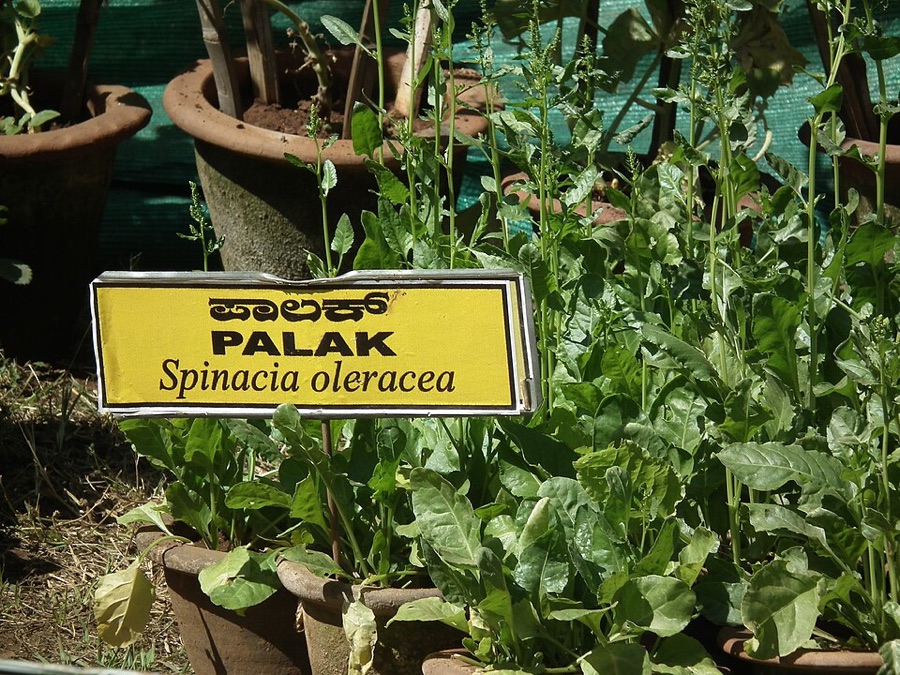
Why have tall stems shot up out of the middle of these plants, with the new leaves much smaller and narrower than the old ones?
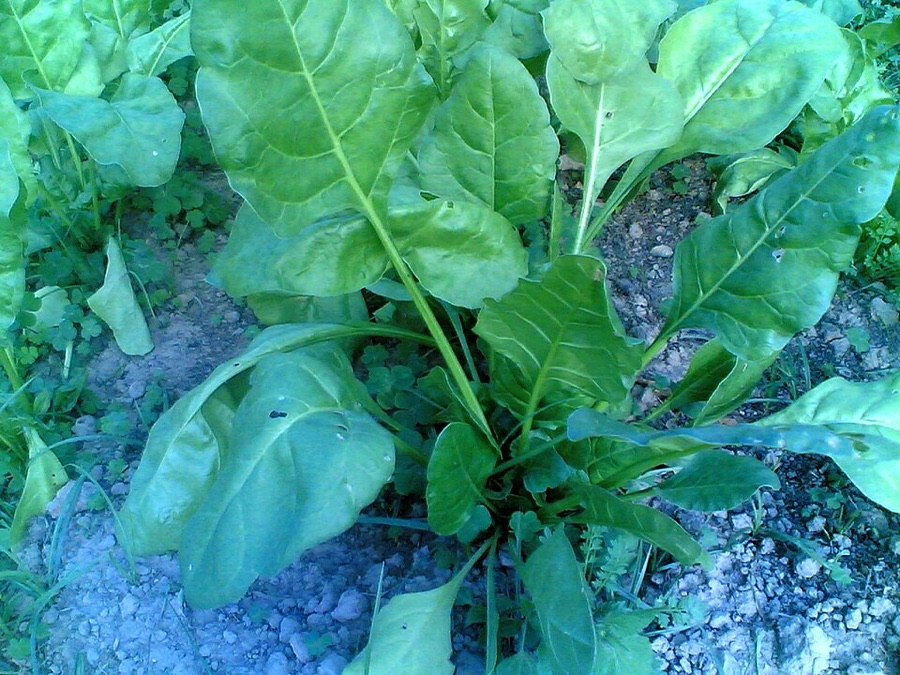
Which leaves should I take if I want this plant to keep producing?