 Laisha
AI Operating System for Agriculture
Enter Laisha
Laisha
AI Operating System for Agriculture
Enter Laisha
Allium fistulosum · Also called: Spring onion & green shallot, Welsh onion, Bunching onion, Scallion, Green onion, Negi, Pa, Cong
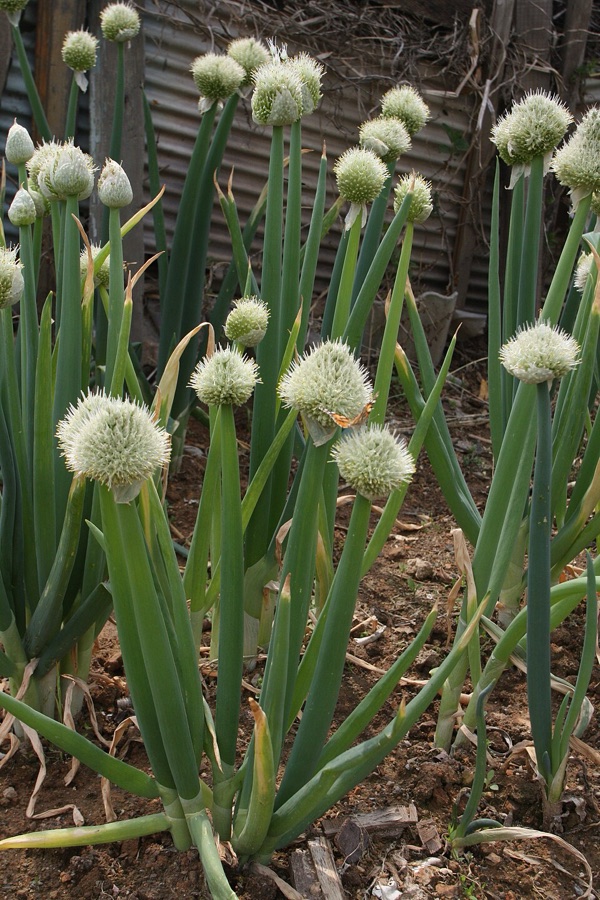
Photo: Dalgial, CC BY-SA 3.0 (Wikimedia Commons)
Spring onion is the quickest cash crop most growers can put in the ground. Green onions are sold fresh by the bunch, they can be cut sixty to eighty days after sowing, and a clump that is cut rather than pulled grows back and can be cut again. In China, Japan and Korea it is the everyday onion of the kitchen rather than a garnish, and China grows far more of it than anybody else. It is hardier than the common onion and stands through frost and snow, so in cold places it is the green vegetable still standing when nothing else is. Its weakness is the other side of its strength: it is sold fresh and wilts within days, so the market has to be arranged before the knife comes out.
If you see: Plants that grow well, make plenty of green leaf and a thickened white base, but never swell into a round onion however long you leave them.
It likely means: Nothing is wrong. The true spring onion is a different species from the common onion and does not make a bulb at any age.
Do this: Harvest it as a green onion for the white shank and the leaf, which is what it is for.
If you see: A round white flower head pushing up on a tall stalk, and the stalk below it going hard and hollow so that the plant is no longer good to eat.
It likely means: The plant has flowered, which it does in its second season or after a cold spell. A flowered stalk is tough and will not sell.
Do this: Harvest the bed before the flower stalks come up, watching for the swelling at the top of a leaf that comes before them.
If you see: Pale silvery streaks and small flecks along the leaves, worst in hot dry weather, with tiny slender insects down in the crease where leaves meet.
It likely means: Thrips. They feed inside the folds of the leaves and their damage shows as silver streaking rather than as holes.
Do this: Keep the crop watered, because the damage is always worst on a bed that has been allowed to dry out.
If you see: Grey, purple or brownish patches on the leaves after wet weather, often with a paler ring around them, and leaves dying back from the tip.
It likely means: One of the leaf diseases of the onion family, which spread in warm wet weather and in crowded beds where the leaves stay wet.
Do this: Water at the base rather than over the leaves, and water in the morning so that any wet leaves dry before evening.
If you see: Plants yellowing and collapsing in patches, lifting out of the ground with almost no roots, and a white fluffy growth with small black specks on the rotted base.
It likely means: White rot, the most serious soil disease of this family. It survives in the soil for many years and there is no cure for infected ground.
Do this: Pull out affected plants with the soil around them, carry them off the field and destroy them, and never compost them.
If you see: An established clump making many shoots that are all thin and spindly, none of them thick enough to make a decent bunch.
It likely means: The clump is overcrowded, underfed, or both. Each plant makes new shoots beside itself, and after a season or two they compete with each other.
Do this: Lift and split the clumps into single shoots and replant them spaced out in fresh ground.
If you see: Bunches that looked well when cut arriving at the market limp, with soft yellowing tops, and fetching far less than you expected.
It likely means: The crop was cut in the heat, or held too long, or carried uncovered. Green onions have no storage life at all.
Do this: Cut in the cool of early morning and never in the heat of the day.
Growing the crop is only part of the job. The last part is knowing what a normal harvest looks like where you are, and knowing what your bunches are worth before you agree a price with anybody.
If you forget every other page of this guide, keep these lines. They are the whole crop, in order, short enough to carry in your head.
Why has one plant turned into a whole clump of shoots from a single base?
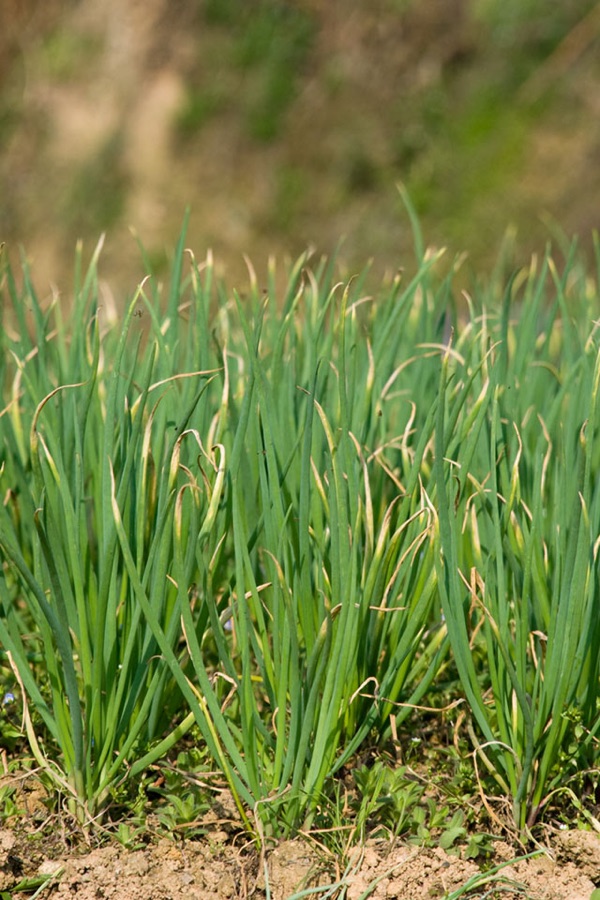
When is this crop ready, if it never makes anything underground to feel for?
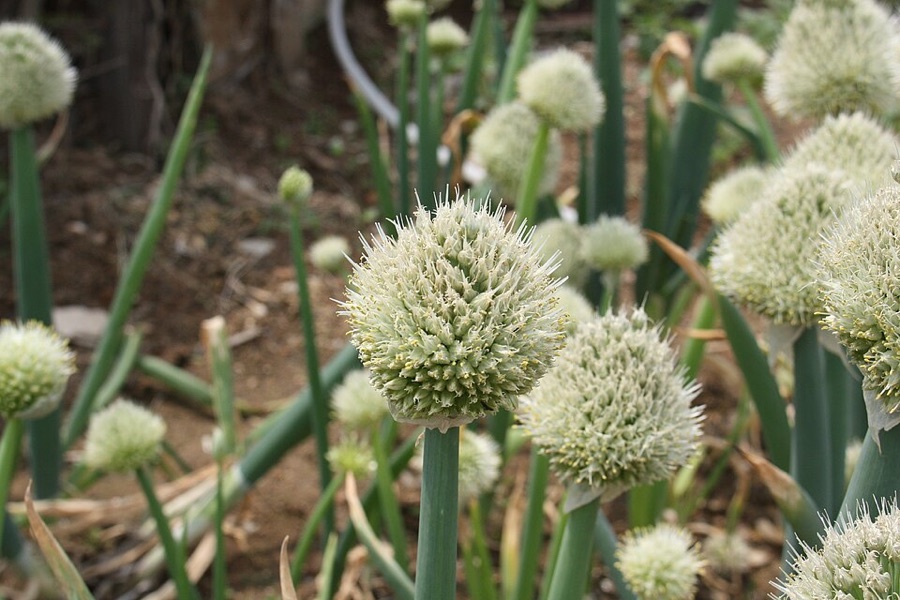
A round white ball has come up on a tall stalk. Is the plant still worth cutting?