 Laisha
AI Operating System for Agriculture
Enter Laisha
Laisha
AI Operating System for Agriculture
Enter Laisha
Illicium verum · Also called: Chinese star anise, Badian, Ba jiao, Hoi, Anís estrellado, Sternanis, Chakra phool
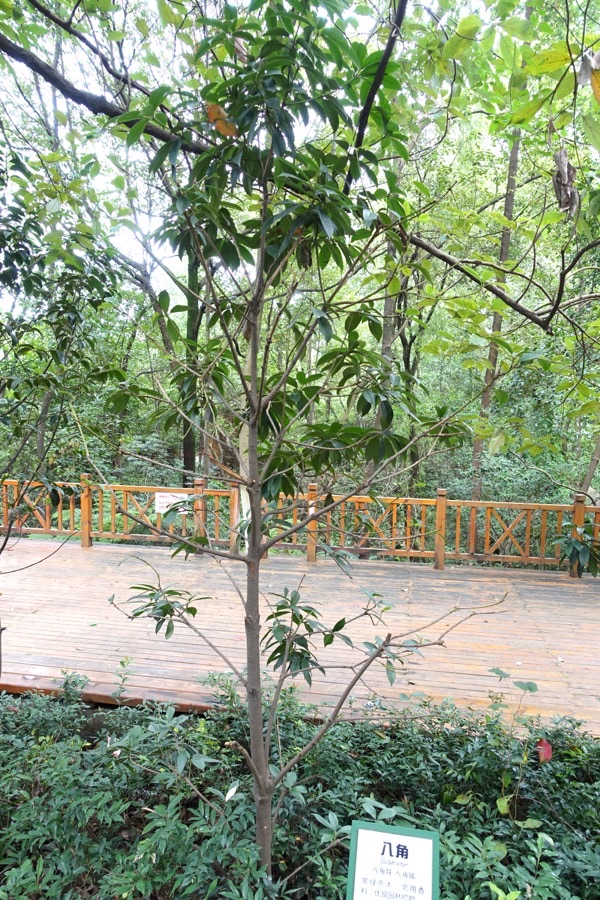
Photo: Daderot, CC0 (Wikimedia Commons)
Star anise is a tree you plant for your grandchildren. It gives nothing for about six years, is not in full bearing for fifteen, and then crops for a century. Almost all of the world's supply comes from a small area of southern China and northern Vietnam, which makes it one of the most geographically concentrated spices there is. It flavours cooking across China and Southeast Asia, it is one of the five spices in Chinese five-spice, and it is the industrial source of a compound used to make antiviral medicine, which has more than once made the price jump sharply. It is also the crop in this library where identification matters most: a closely related tree is poisonous, looks broadly similar, and has contaminated traded lots before.
If you see: Stars in a lot that have more arms than the rest, or arms that are shorter, blunter, more woody and curve upwards, or that smell of cloves or turpentine rather than anise.
It likely means: A different Illicium has got into the lot. Japanese star anise and several wild relatives are poisonous, and this is how they reach people.
Do this: Set the whole lot aside and do not sell it while you are unsure.
If you see: Healthy trees several years old that have never carried a single fruit.
It likely means: Almost certainly that they are not old enough. This tree gives nothing for about six years and is not in full bearing for about fifteen.
Do this: Check the age of the planting before doing anything else, since patience is usually the whole answer.
If you see: Stars that have opened on the tree, with the arms split and the shiny seeds gone.
It likely means: They were left too long. The spice is the unripe fruit, and a fruit allowed to ripen opens and sheds.
Do this: Pick when the star is full-sized, firm and green with the arms still closed.
If you see: Drying fruit going black or growing fuzzy mould on the drying floor.
It likely means: It was rained on, or brought in damp, or spread too thick to dry through.
Do this: Spread the fruit in a single layer rather than in a heap.
If you see: A lot full of loose arms and broken stars rather than whole ones.
It likely means: Rough picking, deep sacks, or over-drying followed by rough handling. A dry star is brittle.
Do this: Pick by hand without pulling, and use a hooked pole rather than shaking branches.
If you see: A tree with yellowing leaves, thinning growth and branches dying back from the tips.
It likely means: Usually water standing at the roots. This tree wants a lot of rain and no waterlogging, which is not the same thing.
Do this: Check the drainage first, since this is the commonest cause by a wide margin.
Growing the crop is only part of the job. The last part is knowing what a normal harvest looks like where you are, and knowing what your star anise is worth before you agree a price with anybody.
If you forget every other page of this guide, keep these lines. They are the whole crop, in order, short enough to carry in your head.
What does the tree look like?
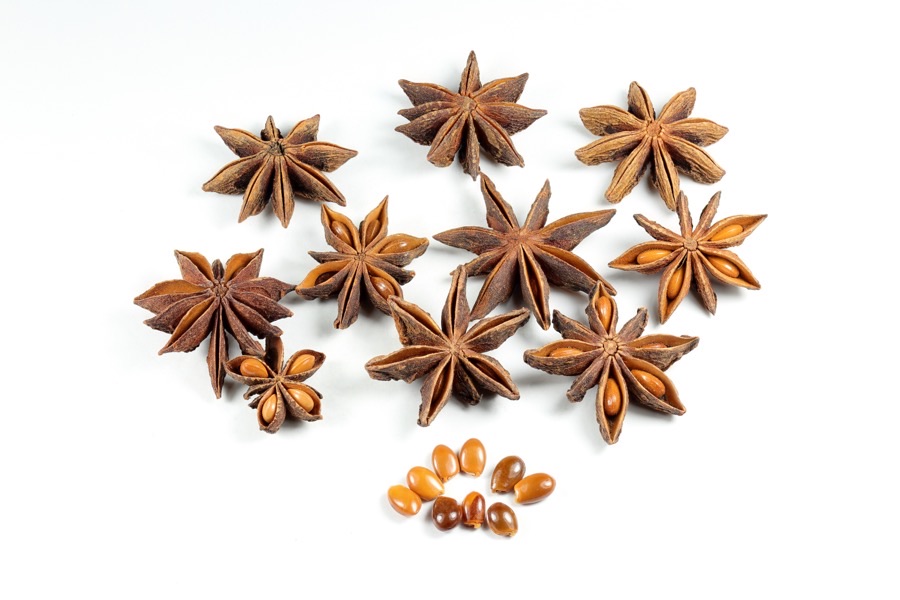
How do you know it is true star anise?
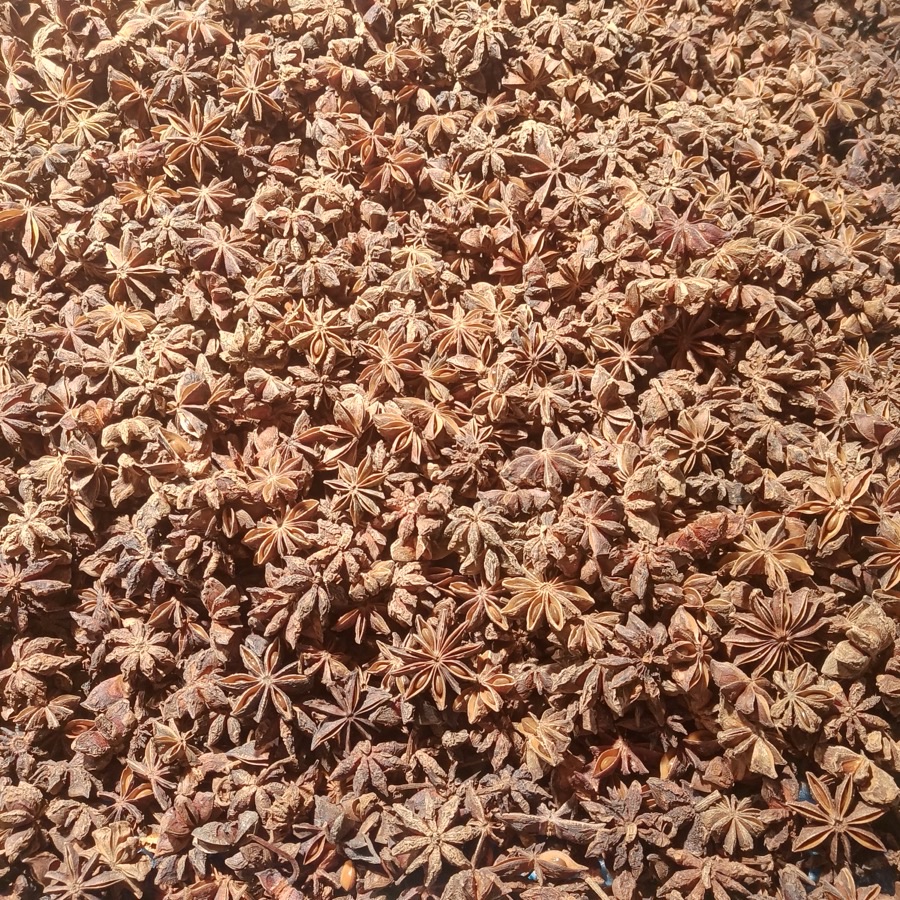
What does the crop look like while it is drying?