 Laisha
AI Operating System for Agriculture
Enter Laisha
Laisha
AI Operating System for Agriculture
Enter Laisha
Tamarindus indica · Also called: Imli, Puli, Chinch, Sampalok, Asam jawa, Tamarin, Tamarindo, Ukwaju
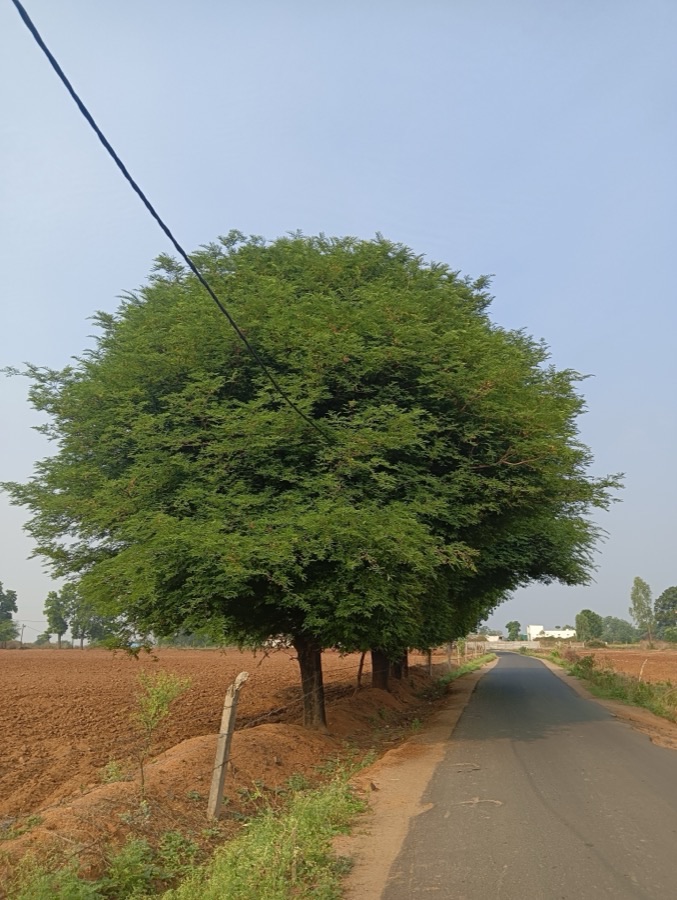
Photo: Kaushlendrapathe, CC BY 4.0 (Wikimedia Commons)
Tamarind is a tree a family plants once and three generations use. It lives well past a hundred years, it produces on dry stony ground that would defeat most fruit trees, and it needs almost nothing once established. India produces by far the most in the world, with Thailand, Mexico, Indonesia, the Philippines, Myanmar, Bangladesh, Sudan, Senegal and much of tropical Africa also producing. The sour pulp is the souring agent in an enormous number of kitchens, it stores for many months without refrigeration, and the seed and timber both sell. Very little of it is grown in orchards: most of the world's tamarind comes off trees on field boundaries, roadsides and village commons.
If you see: A healthy tamarind tree eight or nine years old that has grown large and has never produced a single pod.
It likely means: It is a seedling. Tamarind grown from seed commonly takes eight to twelve years to fruit, and its fruit will not match the tree the seed came from.
Do this: Plant grafted trees rather than seedlings, which fruit in three or four years and come true.
If you see: Small round holes in stored pulp or whole pods, fine powder in the container, and small beetles moving in it.
It likely means: Storage beetles. This is the single biggest cause of loss in tamarind, and it happens after every field job has been done correctly.
Do this: Dry the pulp properly before storing, since damp pulp is where the trouble starts.
If you see: Pulp that has gone mouldy, smells fermented, or is stuck together in a wet mass.
It likely means: It was harvested wet, dried badly, or stored before it was properly dry.
Do this: Harvest only in dry weather and never leave a ripe crop hanging into the rains.
If you see: A heavy crop one year followed by very little the next, repeating for as long as anyone remembers.
It likely means: Alternate bearing, which is normal in this tree and harder to prevent than in most fruit crops because the pods hang so long.
Do this: Expect it and plan your selling around a two-year cycle rather than a one-year one.
If you see: Black sooty coating over leaves, shoots and pods, with white waxy insects underneath and ants running up and down the trunk.
It likely means: Mealybugs or scale insects. The black is a mould growing on the sticky honeydew they produce, and the ants are farming them.
Do this: Wash or rub the insects off young trees, which is usually enough at that size.
If you see: A young tree blackened and dead after a cold night, while older tamarinds nearby are untouched.
It likely means: Frost. Young tamarind is frost tender for its first two or three winters and a mature one is not.
Do this: Avoid frost hollows when choosing the planting site.
If you see: A mature tamarind crowding a house, a wall, a well or a field, with roots lifting the ground and shade killing the crop beneath.
It likely means: It was planted too close, decades ago, when it was a small stick.
Do this: Leave ten to twelve metres in every direction when planting, however empty that looks at the time.
Growing the crop is only part of the job. The last part is knowing what a normal harvest looks like where you are, and knowing what your pods are worth before you agree a price with anybody.
If you forget every other page of this guide, keep these lines. They are the whole crop, in order, short enough to carry in your head.
What does a tamarind tree look like, and where is it usually planted?
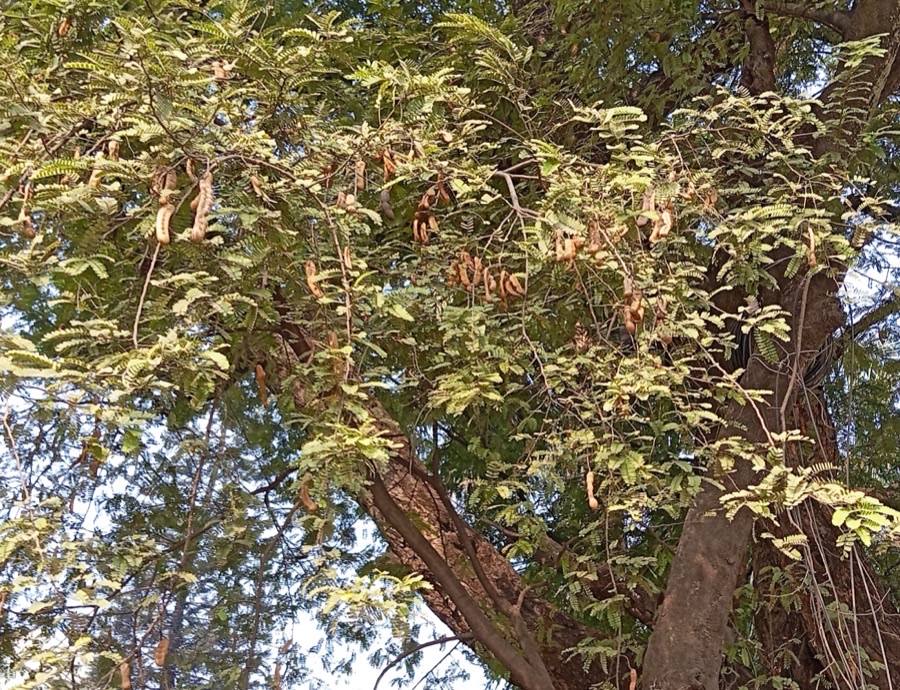
What do the pods look like on the tree as they ripen?
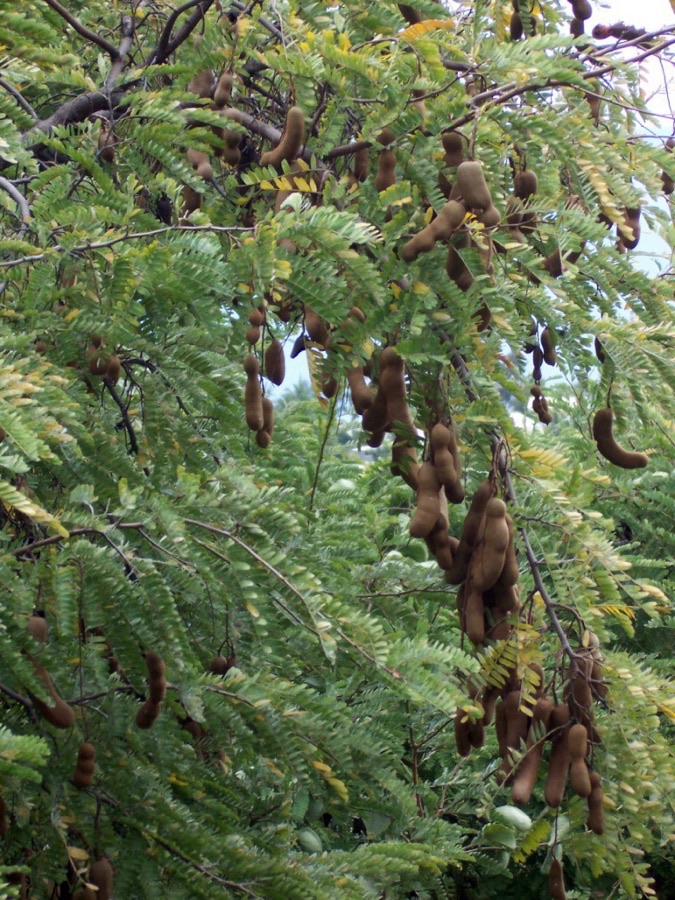
How do I test whether a pod on the stem is actually ready?