 Laisha
AI Operating System for Agriculture
Enter Laisha
Laisha
AI Operating System for Agriculture
Enter Laisha
Eragrostis tef · Also called: Tef, T'ef, Taf, Xaafii, Williams lovegrass, Annual bunch grass, Tef abesha
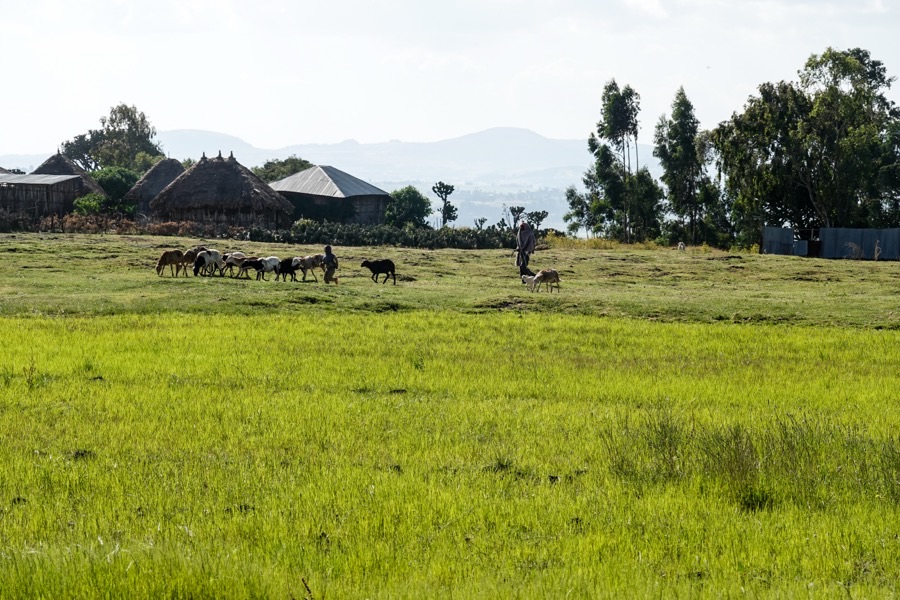
Photo: Timothy A. Gonsalves, CC BY-SA 4.0 (Wikimedia Commons)
Teff is Ethiopia's own cereal and it occupies more land there than any other crop. It is the grain of injera, the fermented flatbread eaten at almost every meal, and Ethiopia and Eritrea together grow virtually all of it, though it is now planted in the United States, Australia, India and the Netherlands for the market in grains that contain no gluten. What makes it worth growing where it is grown is toughness of an unusual kind: it stands both drought and waterlogging better than wheat or maize, which lets it produce on the heavy black cracking clays that flood in the rains and bake in the dry. Its straw is valued in its own right as cattle feed and for mixing into mud for building. And its great weakness is equally clear: the stems are so fine that a windy wet day can flatten a whole field.
If you see: The crop lying flat across the field after wind or rain, heads on the soil, very slow to cut and shedding grain as you work.
It likely means: Lodging. Teff straw is extremely fine, and a tall well-fed crop cannot hold a filled head up through weather.
Do this: Choose short-strawed kinds bred to resist lodging, which is the single biggest gain available in this crop.
If you see: Seed sown onto a well-prepared field that came up thin and patchy, or barely at all, with bare ground between the plants.
It likely means: The seed was buried, or the seedbed was cloddy or loose. A grain a millimetre across cannot emerge from depth or from an air pocket.
Do this: Do not cover the seed with soil, and at most drag a light branch over it after broadcasting.
If you see: Grain that grits between the teeth when the injera is eaten, or that a buyer rejects for sand, although it looks clean.
It likely means: It touched bare soil. Teff grain and sand grains are almost the same size, so once mixed they cannot be separated.
Do this: Prepare a hard smooth clay threshing floor before harvest and sweep it immediately before use.
If you see: A field that thinned noticeably after weeding, with gaps where people worked and grass weeds still standing.
It likely means: The crop was pulled and the weeds were left. Teff's own relatives, the love grasses, are common weeds and look very like it when young.
Do this: Learn the difference from somebody experienced before weeding rather than after.
If you see: Grain on the ground under a standing crop and lighter heads than the field promised, after the crop stood past full ripeness.
It likely means: Shattering. Ripe teff sheds readily, especially in wind.
Do this: Harvest as soon as the crop is fully yellow and the grain is hard, rather than leaving it to dry further.
If you see: Rust-coloured powdery spots and streaks on the leaves, spreading in warm humid weather, with leaves drying early.
It likely means: A rust disease, which takes the leaves before the grain has finished filling.
Do this: Ask a licensed dealer which kinds carry resistance where you are, since that is the main defence.
If you see: Yellow dying patches in the lowest parts of the field after prolonged rain, although teff is meant to tolerate wet ground.
It likely means: Standing water rather than merely wet soil. Teff tolerates waterlogging better than wheat or maize, which is not the same as surviving a pond.
Do this: Cut drainage furrows across heavy fields before the rains rather than after the first flood.
Growing the crop is only part of the job. The last part is knowing what a normal harvest looks like where you are, and knowing what your grain is worth before you agree a price with anybody.
If you forget every other page of this guide, keep these lines. They are the whole crop, in order, short enough to carry in your head.
What is this very fine bright green crop that looks more like a lawn than a cereal?
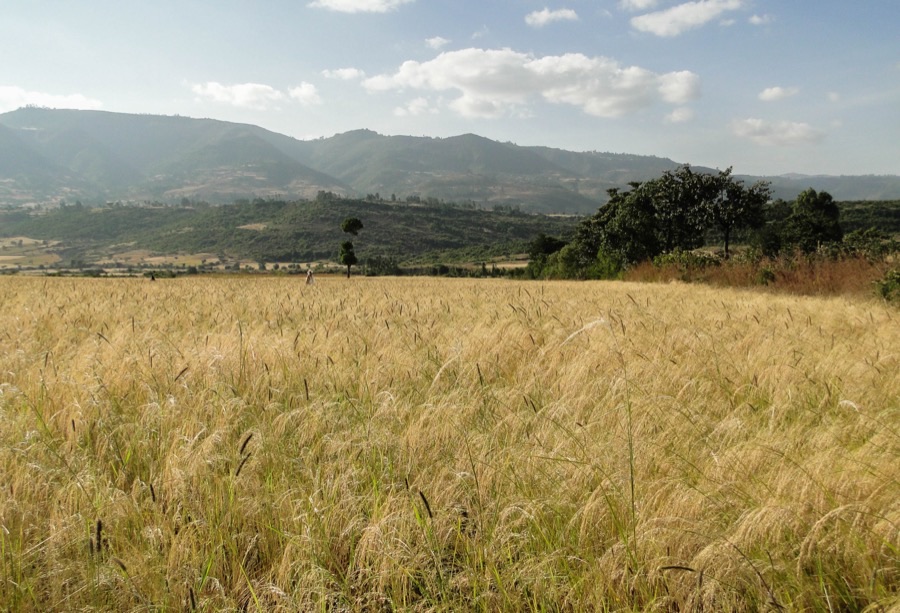
When is the crop ready to cut?
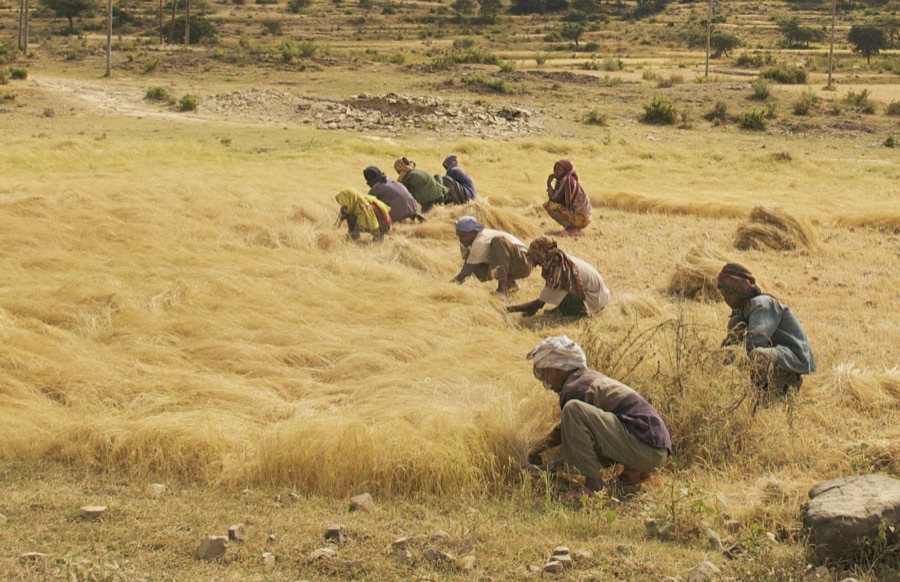
Why is this crop lying flat, and what does that cost?