Photo: George Muttathil Pulikurumba, CC BY-SA 4.0 (Wikimedia Commons)
Vetiver is a grass grown for what is under the ground. Its roots go straight down two to four metres, they smell extraordinary, and the oil distilled from them is one of the most valued and most used base notes in perfumery — the thing that makes a scent last on skin. Haiti, India, Indonesia, Java, Réunion, Brazil and China all produce it. The same roots have a second life that has nothing to do with perfume: planted in a close line across a slope, vetiver makes a living wall that stops soil washing away, and because the cultivated type spreads neither by runners nor by seed, it stays exactly where it is put. Millions of metres of it have been planted for that reason alone. One crop, two quite different purposes, and they want opposite management: for oil you dig the whole clump up, and for a hedge you never dig it at all.
Growing Vetiver, Stage by Stage
1. Get the land ready — For oil, loose deep soil. For a hedge, anywhere at all.
2. Plant slips split off a clump, not seed — Every plant in the world came off another one.
3. Weed and water until it takes over — Hard work for three months, then almost none.
4. Manage the tops, and leave the roots alone — Cut the leaves, never the clump, until you mean to dig it.
5. Watch for trouble — Almost nothing troubles it. That is the point of it.
6. Harvest the roots by digging the whole clump — Everything you have grown comes out of the ground at once.
7. Distil it, store the oil and sell it — A long, slow distillation. Rushing it is the commonest loss.
Common Problems & Troubleshooting
If you see: A distillation that gives thin, weak oil a buyer says lacks body.
It likely means: Almost always a distillation stopped too early. The heavy substances that give vetiver its character come over in the last hours.
Do this: Run the still for the full 18 to 24 hours or more rather than stopping when the flow slows.
If you see: A disappointing weight of root from clumps that looked magnificent above ground.
It likely means: The digging was too shallow. Vetiver roots go down two to four metres and most of the crop is below where a spade reaches.
Do this: Dig a trench alongside the row and work in towards the clumps rather than straight down onto them.
If you see: Water cutting a channel through a vetiver hedge line and gullying the slope below it.
It likely means: A gap in the line. A hedge with a gap concentrates the water and does more damage than no hedge at all.
Do this: Plant hedge slips only 10 to 15 centimetres apart so they knit into a solid wall.
If you see: Vetiver appearing in places you never planted it, from seed.
It likely means: The planting material was the wild seeding type rather than the cultivated non-seeding one. Outside its native range this is a genuine weed problem.
Do this: Ask every supplier in writing to confirm the material is the non-seeding cultivated type, before buying.
If you see: Enormous leafy clumps and a modest weight of root.
It likely means: Too much nitrogen, or tops never cut back. The plant will happily grow leaf instead of root if you let it.
Do this: Cut the tops back to about 30 centimetres once or twice a year.
If you see: Two years of crop dug and nobody within reach who will distil or buy it.
It likely means: The market was not settled before planting. Vetiver oil is a specialised international trade, not a local one.
Do this: Find the buyer or the distiller before planting, not after digging.
Yield & Market Value
Growing the crop is only part of the job. The last part is knowing what a normal harvest looks like where you are, and knowing what your vetiver is worth before you agree a price with anybody.
Remember It This Way
If you forget every other page of this guide, keep these lines. They are the whole crop, in order, short enough to carry in your head.
The crop is the root. The leaf only feeds it.
Ask in writing for the non-seeding type before you buy.
Grown from slips split off a clump, never from seed.
Trim the top and the root of every slip before planting.
For a hedge, plant them tight. A gap is worse than no hedge.
Weed it hard for three months, then leave it alone.
Cut the tops back. It pushes growth into the root.
Wait to eighteen or twenty-four months. Older root is better oil.
Dig a trench beside the row. The roots go down two metres.
Run the still to the end. The best of it comes over last.
Test Yourself: Identification
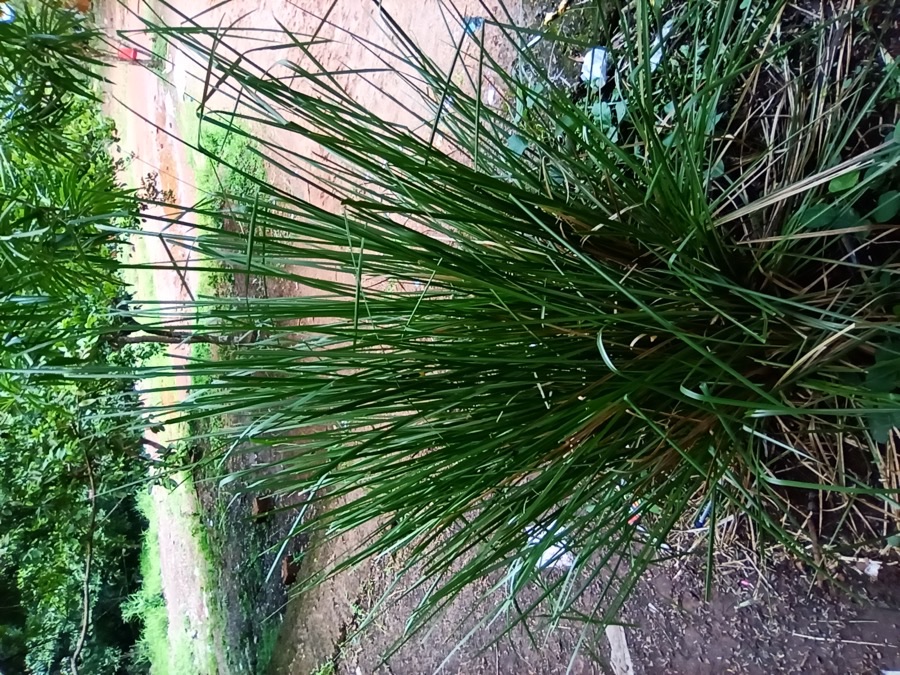
What does a plant look like?
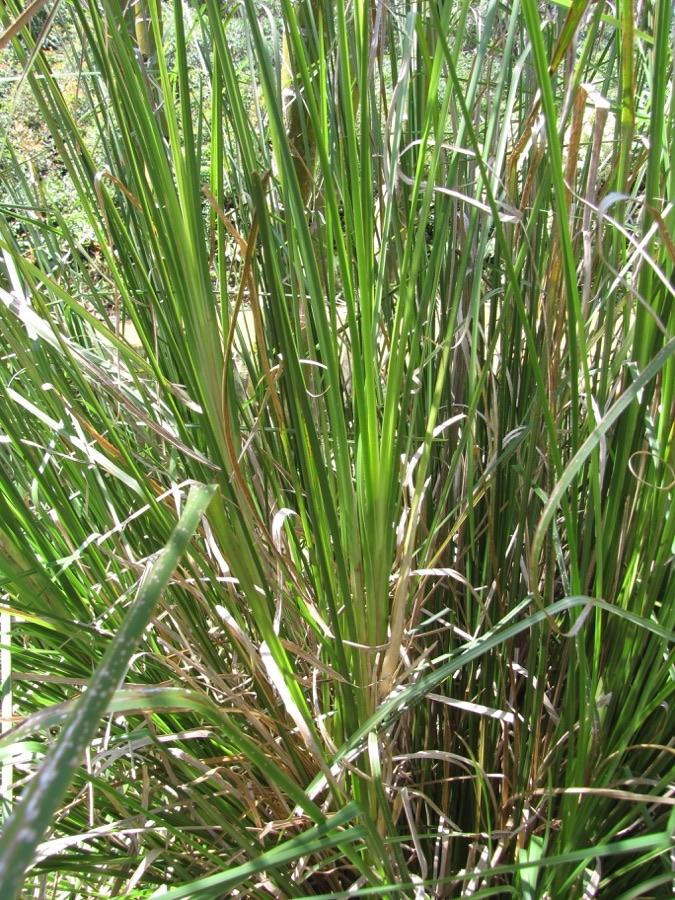
What do the leaves look like close up?
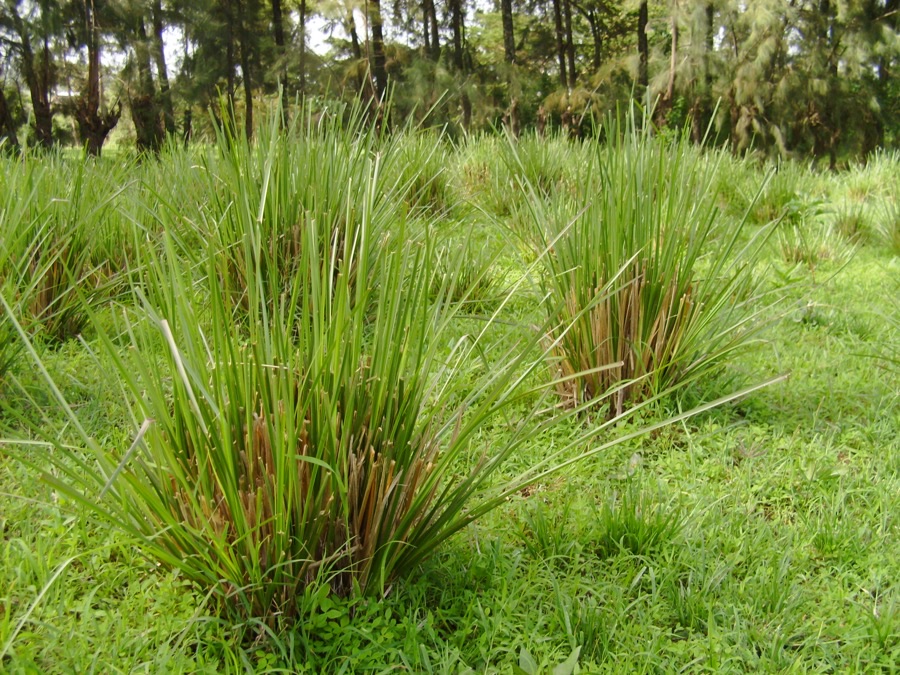
What does a soil-holding hedge look like?
Honest Limits of This Guide
Timings here are given by season and by the age of the clump rather than in named months, because vetiver is grown in both hemispheres. Count from your own rains.
Two forms of this grass exist: the cultivated type used worldwide, which sets no viable seed, and a wild North Indian type which does. Outside its native range the seeding type is a genuine weed risk, and this guide says to confirm the type in writing before buying rather than assuming.
Oil yield figures vary more in this crop than in almost anything else in this library, because they depend as much on how long the still was run as on the root itself. Any figure quoted without a distillation time is not usable.
This guide covers growing vetiver for root oil, and describes the soil-holding hedge alongside it because the two share the same plant and the same planting method. A full soil conservation design is a different subject and is a question for a local extension service.
There is no photograph here of clumps being dug, of roots being washed, or of a still in operation, because usable pictures of that work are not available under a licence this library can use.
No varieties are named here. What matters far more than a variety name is whether the material is the non-seeding cultivated type, and that is a question for the supplier.
No chemical treatments are named here. The root is distilled into an oil used on skin, and what is permitted differs by country and by buyer.
In Ayurveda
This plant is also a dravya of Ayurveda. Ushira in Dravyaguna: its botanical identity, rasa, virya and karma, the part used, the dose the texts give, and its safety record.
Sources
World Flora Online taxon record for Chrysopogon zizanioides (L.) Roberty (wfo-0000859932) — World Flora Online Consortium (source)
GBIF Backbone Taxonomy species-match record for Chrysopogon zizanioides (L.) Roberty — Global Biodiversity Information Facility (GBIF), Copenhagen (source)
FAO guidance on growing aromatic and essential-oil crops — Food and Agriculture Organization of the United Nations (FAO), Rome (source)
FAO guidance on vegetative soil and water conservation on slopes — Food and Agriculture Organization of the United Nations (FAO), Rome (source)
FAO guidance on harvesting and distilling essential-oil crops — Food and Agriculture Organization of the United Nations (FAO), Rome (source)
Laisha knows Vetiver better than this page can show.Photo diagnosis for pests and disease, live market prices, and an agronomist you can ask at two in the morning. Ten days free, no card. After that 10 US dollars a month, one price worldwide.Start ten free days
 Laisha
AI Operating System for Agriculture
Enter Laisha