 Laisha
AI Operating System for Agriculture
Enter Laisha
Laisha
AI Operating System for Agriculture
Enter Laisha
Juglans regia · Also called: Persian walnut, English walnut, Common walnut, Akhrot, Noix, Nuez, Noz, Walnuss
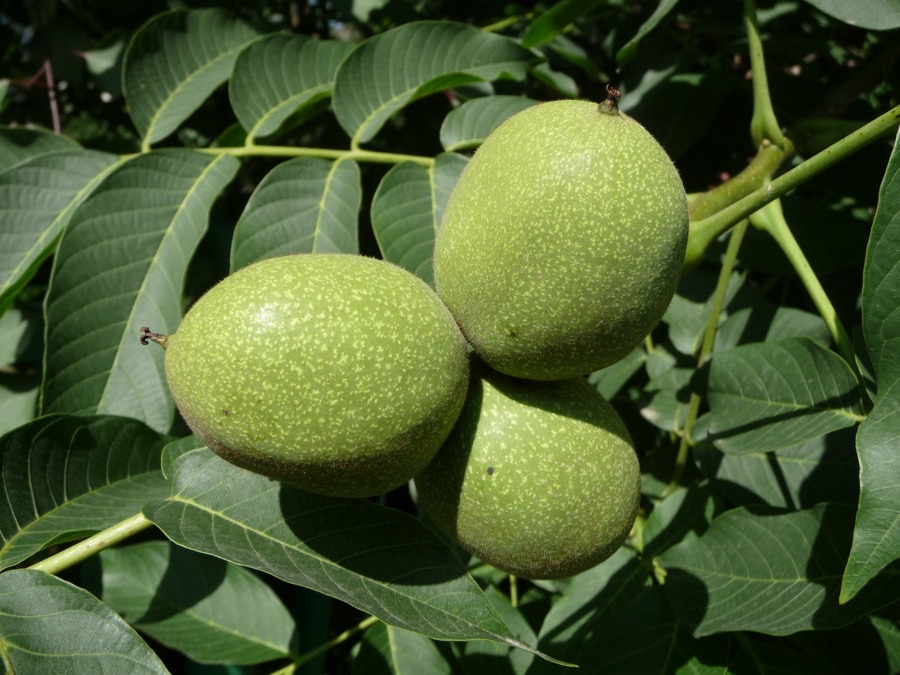
Photo: George Chernilevsky, Public domain (Wikimedia Commons)
A walnut tree is a decision about the next forty years rather than the next season. China produces far more walnuts than anybody else, followed by the United States, Iran, Turkey and Chile, and the nuts travel and store better than almost any other fruit crop, which is why a grower in a mountain valley can sell into a world market. The tree also puts out a slow, dependable income once it starts: a mature tree yields for decades with little yearly work compared with a vegetable crop, and the timber itself is among the most valuable in the world. The cost is patience. A tree grown from a nut may take eight to twelve years to bear, and even a grafted one takes four to six.
If you see: A healthy tree that hangs full of long male catkins every spring and still produces almost no nuts, year after year.
It likely means: There is nothing to pollinate it. On most kinds the tree's own dust is shed before or after its own female flowers are ready, so a lone tree sets very poorly.
Do this: Plant a second kind of walnut near enough for the wind to carry the flower dust between the two trees.
If you see: Small black greasy spots on leaves, on young shoots and on the small green nuts after a wet spring, with the affected nuts blackening and dropping.
It likely means: The bacterial disease of this crop, which spreads in rain and wind and is worst in a wet spring on a tree that is not open to the air.
Do this: Prune to keep the crown open so that air moves through it and the leaves dry quickly after rain.
If you see: Shells that are dark brown or blackened and blotchy rather than pale, and a buyer who downgrades the whole sack on sight.
It likely means: The husks were left on too long after the nuts fell, or the nuts lay on wet ground, or they were dried too slowly.
Do this: Get the husk off within a day or two of picking the nuts up, which is the single biggest thing that decides shell colour.
If you see: Vegetables, tomatoes or young fruit trees near a walnut that yellow, wilt and die while the same plants do well elsewhere on the farm.
It likely means: The walnut itself. Its roots and fallen leaves release something that many plants cannot grow in, and the effect reaches well beyond the edge of the branches.
Do this: Move the affected crops well away from the tree rather than trying to treat them, because there is nothing to treat.
If you see: Small round holes in the shells with sawdust-like waste around them, and kernels tunnelled and partly eaten when you crack them open.
It likely means: A grub that entered the nut while it was still on the tree and fed inside it. The damage is invisible until the nut is opened.
Do this: Pick up all fallen nuts promptly and destroy the damaged ones rather than leaving them under the tree.
If you see: A tree that leafs out later each year, thins from the top down, and carries smaller leaves and fewer nuts although nothing is visibly wrong with them.
It likely means: Usually the roots, rotting slowly in ground that holds water. Walnut has a deep root system and is unusually intolerant of wet soil.
Do this: Check the drainage first, by digging a hole after rain and seeing how long water stands in it.
If you see: Kernels that taste sharp, bitter or like paint, sometimes from a crop that looked and smelled fine in the shell a month earlier.
It likely means: The oil in the kernel has turned, because the nuts were stored warm, stored damp, or were cracked long before they were sold.
Do this: Store whole in the shell and crack only what you are about to sell, because a shelled kernel turns far faster than a whole nut.
Growing the crop is only part of the job. The last part is knowing what a normal harvest looks like where you are, and knowing what your nuts are worth before you agree a price with anybody.
If you forget every other page of this guide, keep these lines. They are the whole crop, in order, short enough to carry in your head.
These look like small green fruits, not nuts. Have I got the right tree?
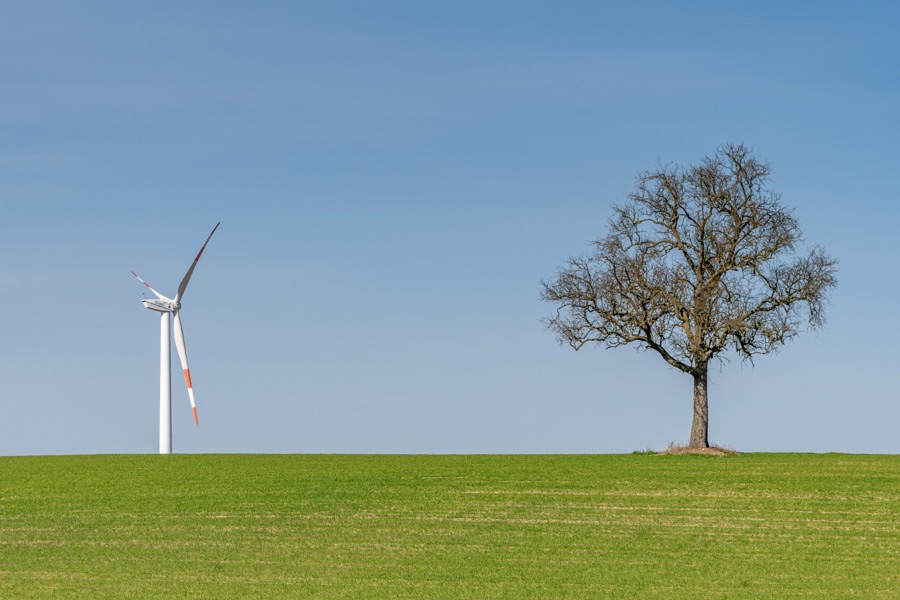
Why is this tree standing on its own in the middle of a field with nothing around it?
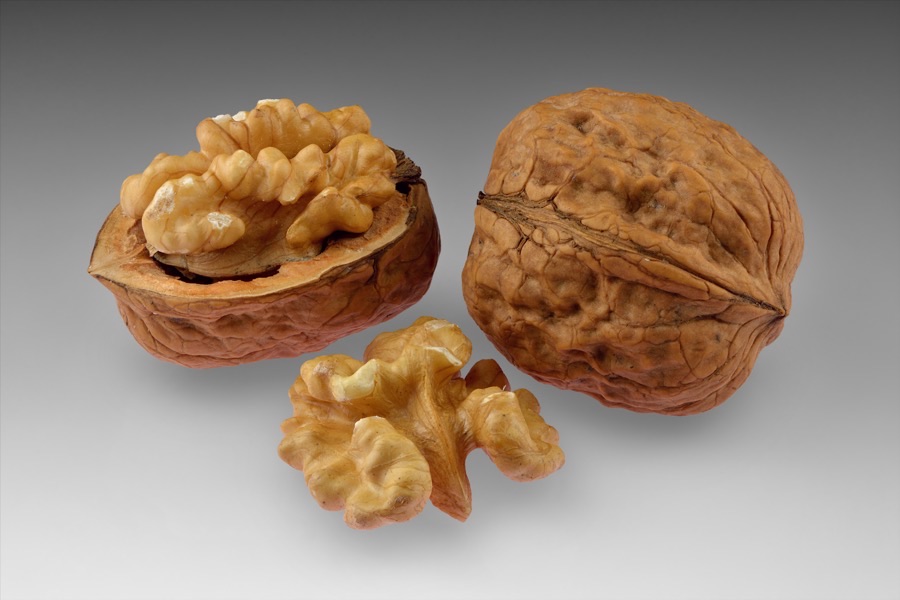
How do I tell a nut worth selling from one that is not, without cracking every one?