 Laisha
AI Operating System for Agriculture
Enter Laisha
Laisha
AI Operating System for Agriculture
Enter Laisha
Eleocharis dulcis · Also called: Chinese water chestnut, Matai, Bi qi, Apulid, Haeo, Groundnut sedge
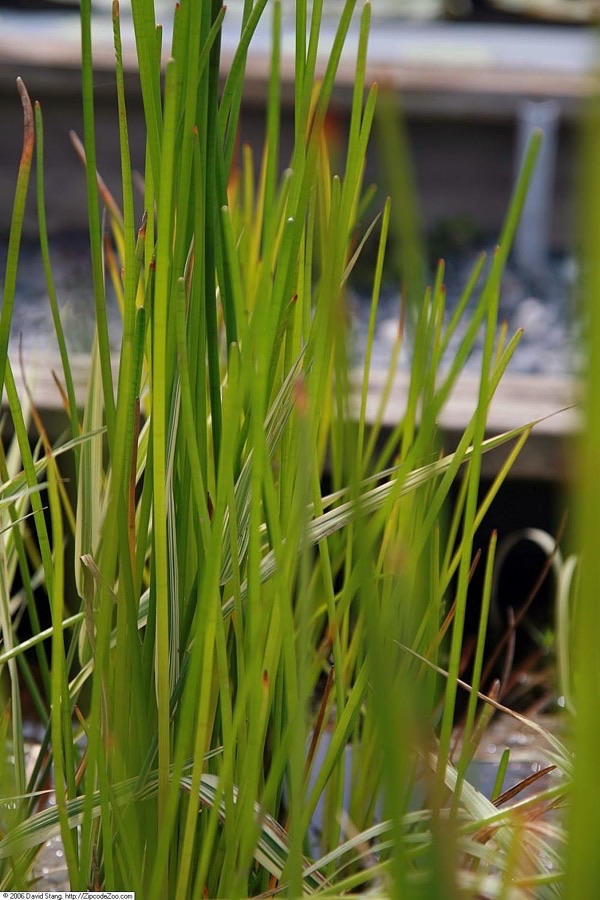
Photo: Photo by David J. Stang, CC BY-SA 4.0 (Wikimedia Commons)
Water chestnut is grown for one property that almost nothing else in the vegetable world has: it stays crisp after it is cooked. Boil it, fry it, stew it or can it, and it is still crunchy at the end, because the walls of its cells are bound together in a way that heat does not break down. That single fact is why it appears in so much of Chinese and Southeast Asian cooking and why it is one of the few vegetables worth canning whole. China grows the great majority of it, with Thailand, Vietnam, the Philippines and Australia also producing. It is grown in flooded fields much like rice, and it suits ground that is too wet for almost anything else — which for a farmer with a low-lying, waterlogged corner is the real point.
If you see: A magnificent tall green stand that produces almost no corms when the plot is dug.
It likely means: Usually too much nitrogen, or a season that was cut short. Corms only form late, as the days shorten, and nitrogen late in the season grows tops instead.
Do this: Stop feeding nitrogen well before the corms begin to form.
If you see: Harvest taking far longer than expected, with corms left behind in the mud.
It likely means: Heavy soil, or a plot drained too recently, or a single pass. Digging is the main cost of this crop and it is decided when you choose the field.
Do this: Choose a soft loam or silt over heavy clay when you can, since clay gives a good crop you cannot get out.
If you see: Stored corms gone wrinkled, light and woody within a few weeks.
It likely means: They were stored dry. These corms are mostly water and lose it fast in open air.
Do this: Store whole unpeeled corms cool and damp, in moist sand, sawdust or water.
If you see: A buyer who wanted water chestnuts rejecting your crop, or asking why it is not a horned nut.
It likely means: Two different plants share the English name. They wanted singhara, the water caltrop, which floats on open water and has a hard horned fruit.
Do this: Establish before planting which crop your buyer means, and agree it by its local name as well as in English.
If you see: Nothing at all on the crop, but concern about the water the field is flooded with.
It likely means: That concern is correct and worth acting on. Corms grown in water receiving human or animal waste can carry a parasite that infects people who eat them raw.
Do this: Use the cleanest water supply you can, and keep animals and latrines away from it.
If you see: A full crop of corms that are all small, however many there are.
It likely means: Usually plants set too close, or a short season, or water that was allowed to drop during corm formation.
Do this: Space the corms 50 to 75 centimetres apart each way, since each plant spreads a long way.
Growing the crop is only part of the job. The last part is knowing what a normal harvest looks like where you are, and knowing what your water chestnuts are worth before you agree a price with anybody.
If you forget every other page of this guide, keep these lines. They are the whole crop, in order, short enough to carry in your head.
What does the growing crop look like?
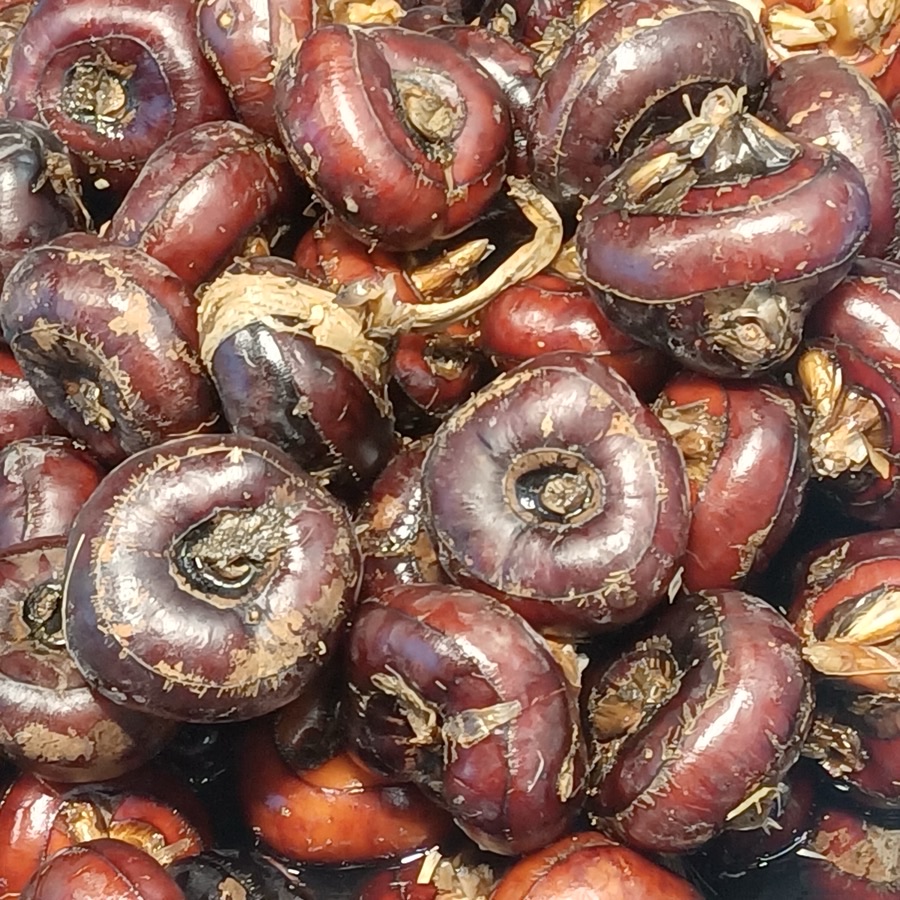
What does the crop look like when it is dug?
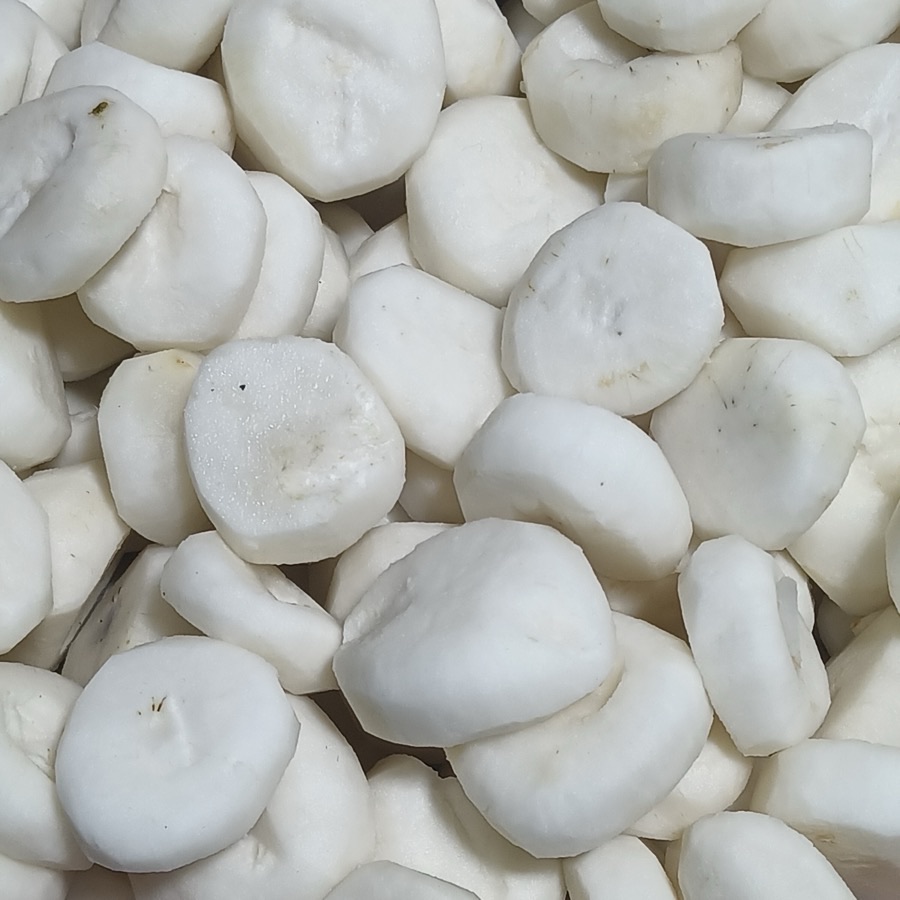
What is it like inside?