 Laisha
AI Operating System for Agriculture
Enter Laisha
Laisha
AI Operating System for Agriculture
Enter Laisha
Ipomoea aquatica · Also called: Kangkong, Kangkung, Rau muống, Ong choy, Hollow-heart vegetable, Water morning glory, Swamp cabbage, Kalmi shak
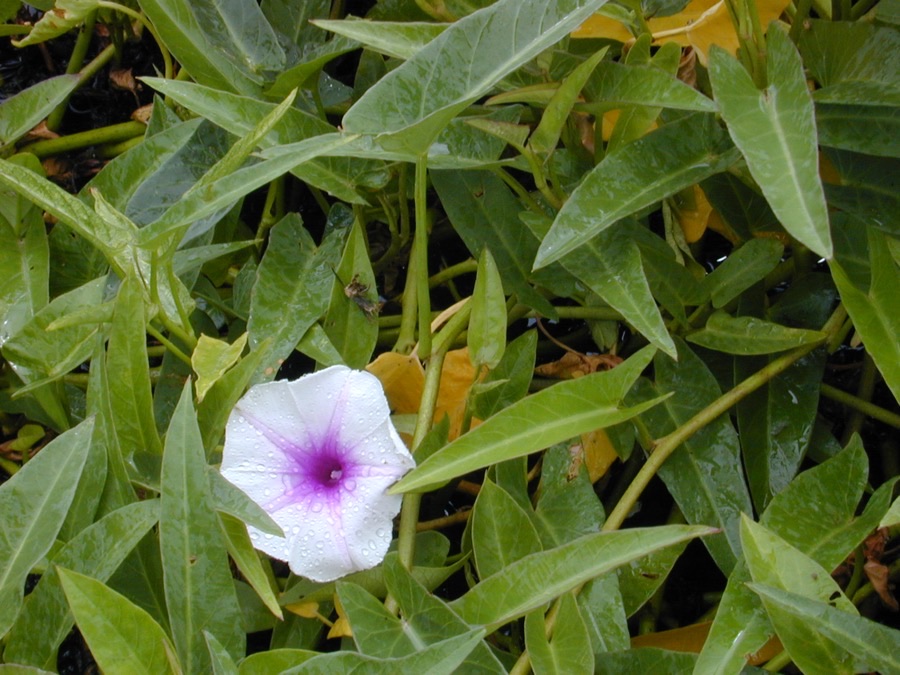
Photo: Eric Guinther, CC BY-SA 3.0 (Wikimedia Commons)
Water spinach is one of the fastest and cheapest green vegetables in the world. It is ready to cut about three or four weeks after planting and then goes on being cut every week or two for months from the same plants. It grows in water that is useless for anything else, it needs almost no inputs, and it is an everyday green across South East Asia, southern China, South Asia and much of Africa. For a household beside a pond or a flooded field it turns standing water into a steady supply of food and a small regular income.
If you see: A wonderful heavy crop growing in a roadside drain, a sewage channel or a ditch taking waste water.
It likely means: Exactly what it looks like: this plant thrives on the nutrients in waste water. It also takes up what else is in it, and that goes into the food.
Do this: Do not harvest it for food and do not sell it, however good it looks.
If you see: A bed that was cut once and then barely grew back, with bare stubs or plants pulled out altogether.
It likely means: It was cut too low, or pulled rather than cut. This crop regrows from what is left behind.
Do this: Cut just above a node, leaving the lower stem in place.
If you see: Stems that are stringy, tough and unpleasant to eat, which buyers will not take.
It likely means: They were cut too late, or the planting has aged and gone woody.
Do this: Cut every seven to fourteen days rather than waiting for length.
If you see: Shoots that were crisp when cut arriving limp and yellowing, worth almost nothing.
It likely means: Heat and time. This is one of the fastest-wilting vegetables there is.
Do this: Cut in the cool of the early morning and never in the middle of the day.
If you see: White raised blisters on the undersides of leaves with pale yellow patches showing on top, worst in wet weather.
It likely means: A white rust disease. It spoils the leaf for sale even though the plant carries on.
Do this: Cut the crop more often, since older growth is taken first.
If you see: The crop spreading out of the planting into open water, drains or a waterway and choking it.
It likely means: It is doing what it does. This plant grows extremely fast on water and is treated as a serious weed in several countries for exactly that reason.
Do this: Contain the planting to a pond, tank or bed you control.
Growing the crop is only part of the job. The last part is knowing what a normal harvest looks like where you are, and knowing what your bundles are worth before you agree a price with anybody.
If you forget every other page of this guide, keep these lines. They are the whole crop, in order, short enough to carry in your head.
What does the plant look like growing?
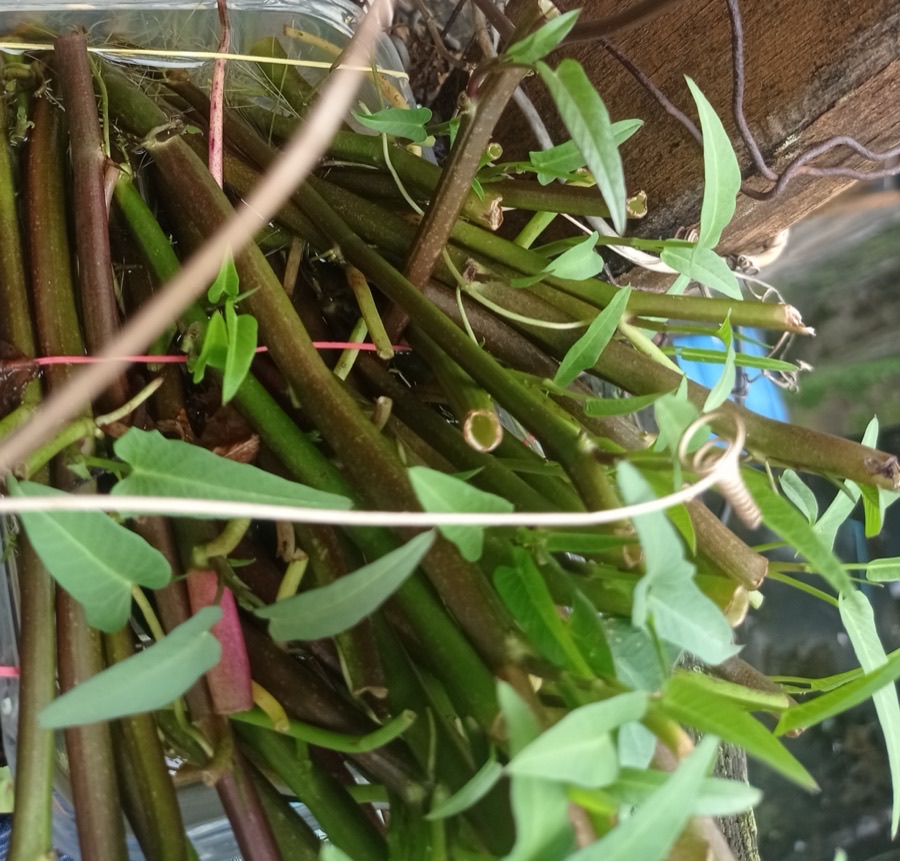
Why are the stems hollow, and what does that tell me?
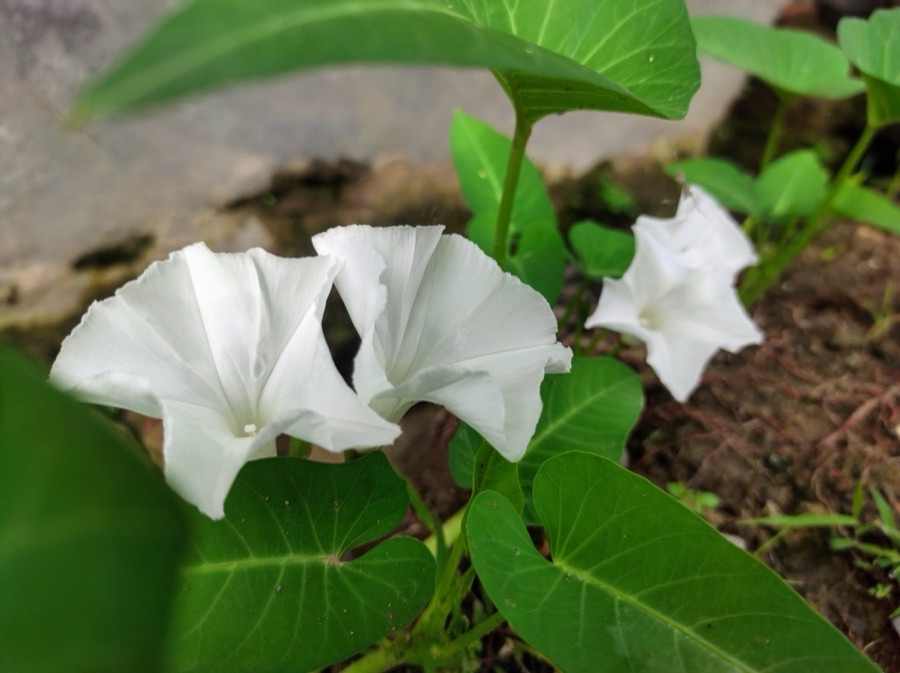
The crop is flowering. Is that good?