 Laisha
AI Operating System for Agriculture
Enter Laisha
Laisha
AI Operating System for Agriculture
Enter Laisha
Psophocarpus tetragonolobus · Also called: Goa bean, Four-angled bean, Asparagus pea, Princess bean, Kacang botor, Kecipir, Sigarilyas, Dambala
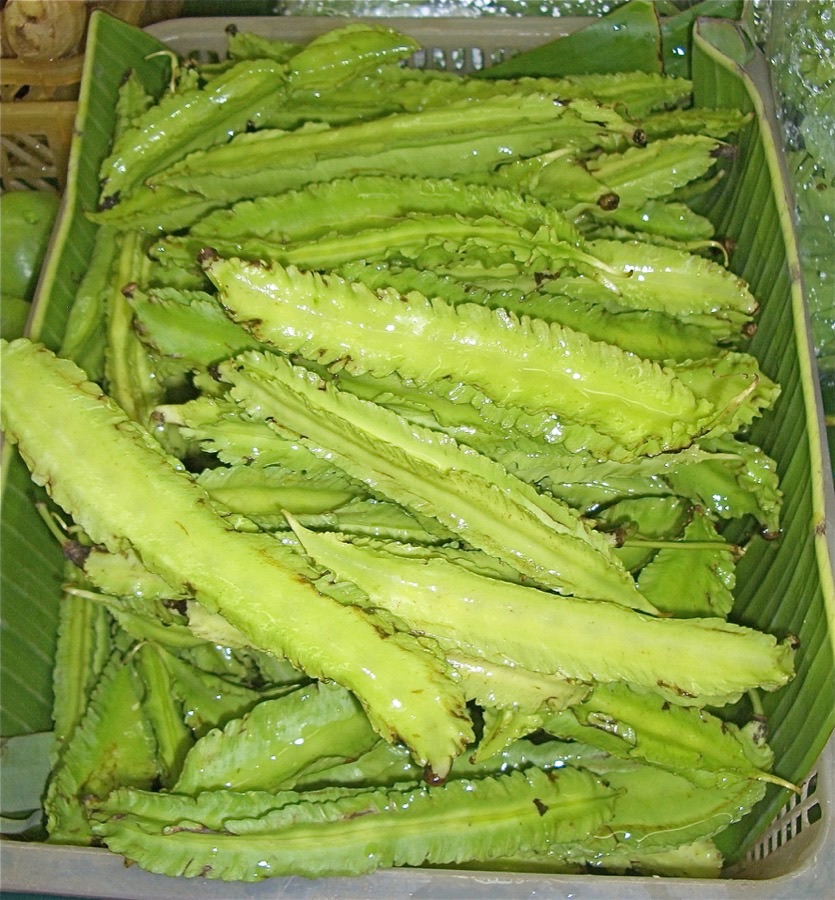
Photo: Susan Slater, CC BY-SA 4.0 (Wikimedia Commons)
Winged bean gives more different foods from one plant than anything else in this library. The young pods are a vegetable, the leaves are a green, the flowers are eaten, the dry seed is as rich in protein and oil as a soya bean, and the roots swell into tubers that carry far more protein than cassava or potato. It is grown across Papua New Guinea, Indonesia, the Philippines, Myanmar, Thailand, Sri Lanka, Bangladesh, north-east India and parts of West Africa, mostly in home gardens rather than fields. For a household on a small piece of warm wet ground it is close to a complete food crop on a single stalk.
If you see: A huge healthy vine covering the whole support and more, growing for months, with no flowers and no pods at all.
It likely means: Day length. Most winged bean kinds will not flower until the days shorten, so a vine sown at the wrong time grows and grows and sets nothing.
Do this: Ask a licensed dealer or your extension office when the kind you sowed normally flowers.
If you see: People feeling unwell, or simply getting little benefit, after meals made from dry winged bean seed that was cooked quickly.
It likely means: The seed was not boiled hard enough. Like soya beans, dry winged bean seed contains substances that stop the body digesting protein, and thorough boiling destroys them.
Do this: Soak dry seed overnight and throw that water away.
If you see: Pods that are stringy and tough when cooked, with hard lumps where the seeds have swollen.
It likely means: They were picked too late. Winged bean pods go fibrous very quickly once the seeds inside start filling.
Do this: Pick while the pods are still bright green, soft and about a hand's length.
If you see: The support leaning, sagging or flat on the ground under the weight of the vine, with pods lying in the mud.
It likely means: The support was not strong enough. A loaded winged bean vine is heavy and this is a vigorous climber.
Do this: Build a support at least two metres high and genuinely strong before sowing.
If you see: A sowing that has come up thin and unevenly, with many seeds simply sitting in the ground and doing nothing.
It likely means: The hard seed coat kept the water out. Winged bean seed needs help before water can get in.
Do this: Soak the seed overnight before sowing.
If you see: Raised wart-like blisters on leaves, stems and especially on the pods, worst in warm wet weather.
It likely means: A blister disease that is common on this crop in the wet tropics. It disfigures pods and makes them unsaleable.
Do this: Keep the vine up on its support and not crowded, so air moves through it.
If you see: Almost nothing worth lifting at the base of a plant that produced pods well all season.
It likely means: The plant spent itself on pods. Tubers and pods compete, and heavy picking leaves little for the roots.
Do this: Decide early whether a given plant is for pods or for tubers, and treat them differently.
Growing the crop is only part of the job. The last part is knowing what a normal harvest looks like where you are, and knowing what your pods, seed or tubers are worth before you agree a price with anybody.
If you forget every other page of this guide, keep these lines. They are the whole crop, in order, short enough to carry in your head.
What does the pod look like, and how do I know it is winged bean?
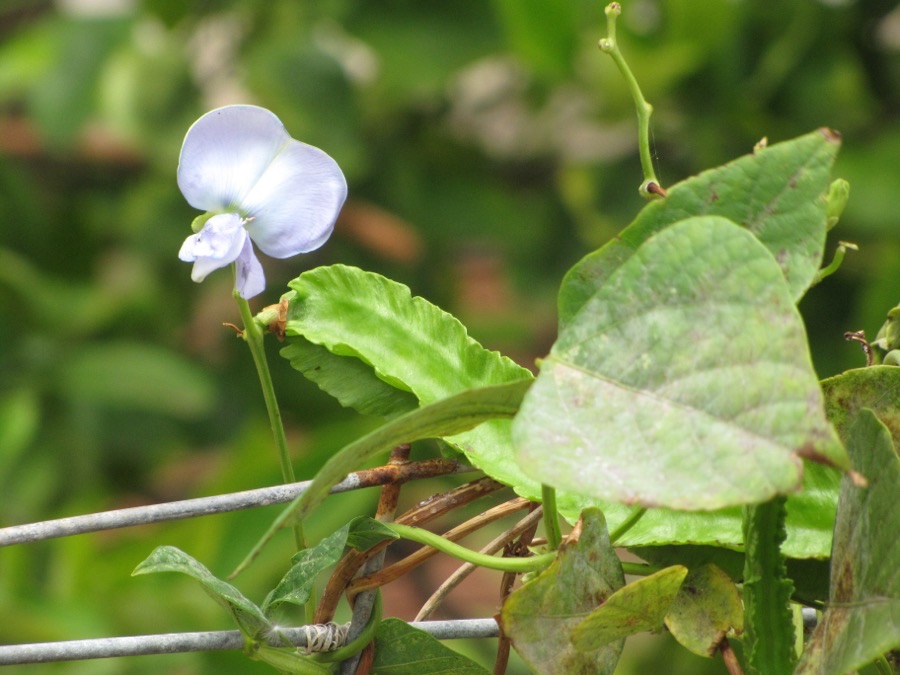
What do the flowers look like, and when should they appear?
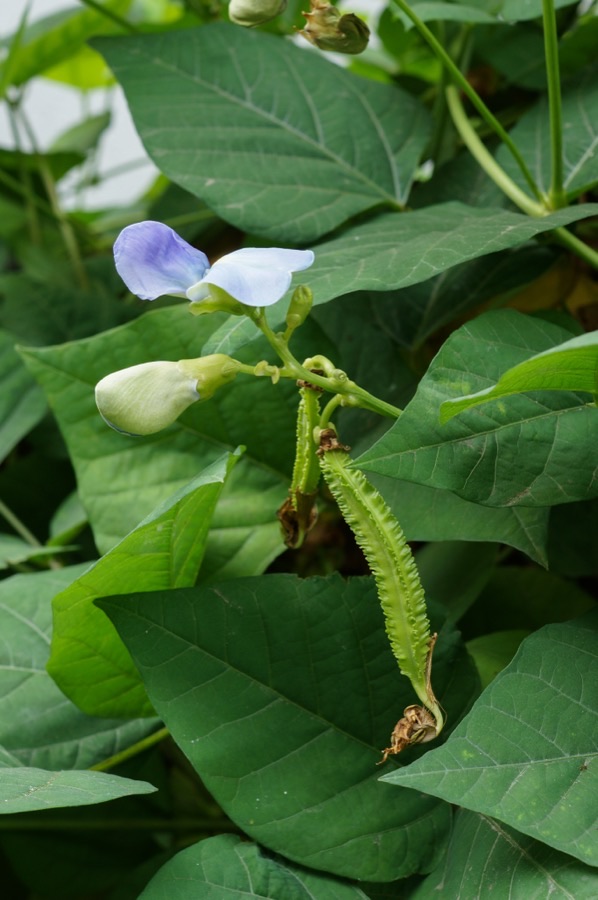
How big does the whole plant get, and what support does it need?