Amalaki
आमलकी
Phyllanthus emblica L.
Phyllanthaceae · Phyllanthus
Benefits & side effects
TRADITIONAL VIEW, WITH SAFETY LIMITS
Hindi name: Amla
What the texts say Amalaki does
- Rasayana — rejuvenative
- Vayasthapana — preserves youth, slows ageing
- Chakshushya — good for the eyes
- Vrishya — aphrodisiac, supports reproductive vigour
- Keshya — good for the hair
- Dahaprashamana — relieves burning
- Anulomana — moves contents downward, mild laxative
What the evidence says. Traditional use is extensive and long recorded. Modern clinical evidence is limited.
Side effects and limits
- Loose stools at higher intakes
- Acidity or stomach discomfort in those prone to it
Avoid or ask first: No absolute contraindication is documented for ordinary food use of the fruit. This is written deliberately rather than left blank.
A traditional classification, not a recommendation. The full safety record is below.
Stands in 10 groups
- Kasahara — Relieving cough (named there as Amalaka)
- Dahaprashamana — Allaying burning (named there as Amalaka)
- Prajasthapana — Sustaining progeny (named there as Shiva)
- Virechanopaga — Adjuvant to purgation (named there as Amalaka)
- Vayasthapana — Sustaining youth (named there as Dhatri)
- Mushkakadi — Prameha, piles, gravel and jaundice
- Parushakadi — Vata, thirst, and the urinary passage
- Mustadi — Cleansing breast milk, Kapha, and the vagina
- Triphala — The three fruits
- Amalakyadi — Fever, and the kindling of agni
A Samhita can only be read forwards, from the group to its members. This is the same list read backwards.
Photographs
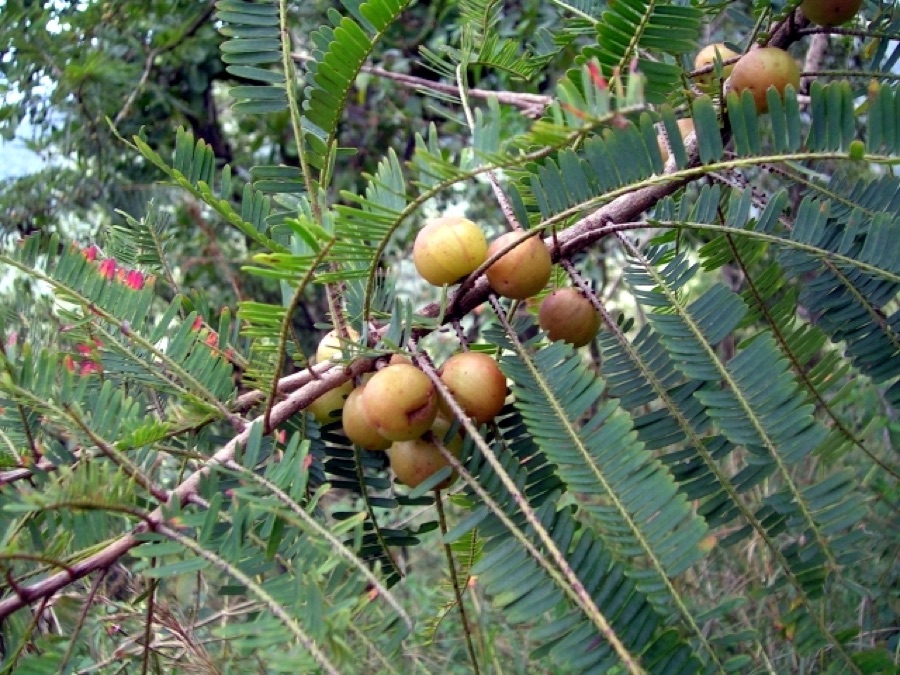
Photo: L. Shyamal · CC BY 2.5 · Wikimedia Commons

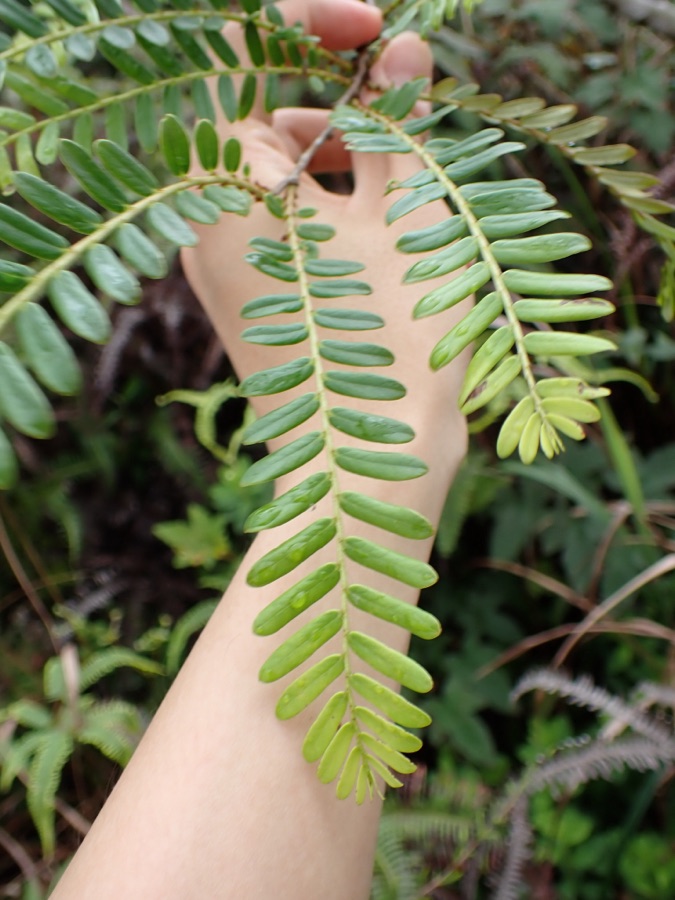
Photo: Sus scrofa · CC BY 4.0 · Wikimedia Commons

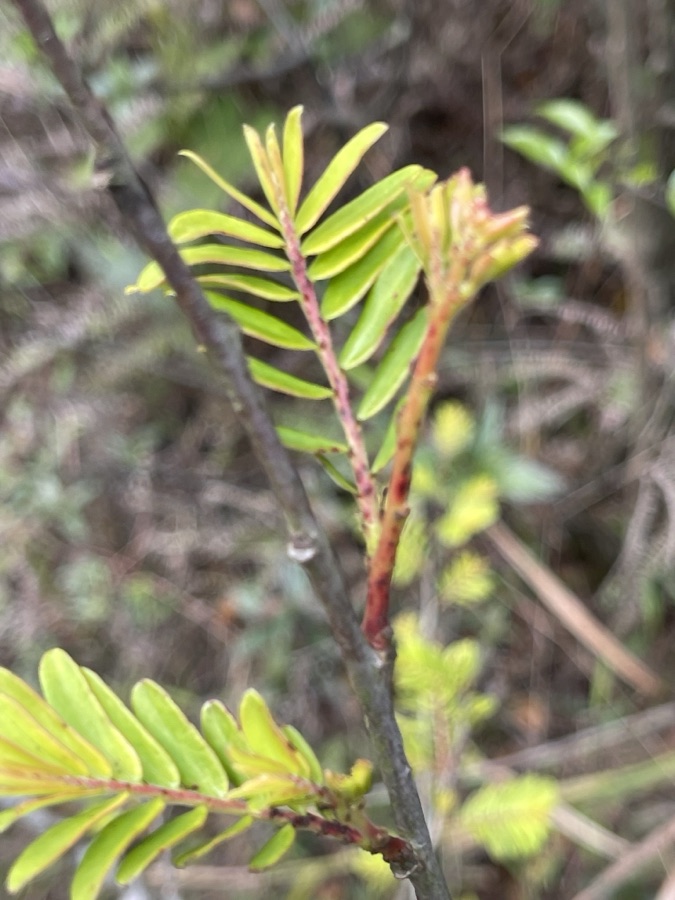
Photo: Yj · CC BY 4.0 · Wikimedia Commons

Matra and anupana
AS THE CLASSICAL TEXTS AND THE API PRESCRIBE
| Churna | 3–6 g |
| Swarasa | 10–20 ml |
| Kwatha | 50–100 ml |
| Anupana | Madhu · Ghrita · Ushnodaka |
| Kala | Adhobhakta; as rasayana, on an empty stomach in the morning |
Rasayana use is a course, not a single dose. Chyawanprash is the classical vehicle.
Reported from Sharangadhara Samhita and the Ayurvedic Pharmacopoeia of India. Laisha states what the texts prescribe; it does not recommend. No quantity here is adjusted for a particular person — not for agni, koshtha, bala, age, pregnancy, kidney or liver function, or anything already being taken.
Pharmacopoeial standard
Ayurvedic Pharmacopoeia of India, Part I
| Marker | Ascorbic acid, and gallic acid on TLC |
| Assay | As the monograph gives |
| Total ash | Total ash not more than 7 per cent |
| Acid-insoluble ash | Not more than 2 per cent |
| Alcohol-soluble extractive | Alcohol-soluble extractive not less than 40 per cent |
| Water-soluble extractive | Water-soluble extractive not less than 50 per cent |
| Foreign matter | Foreign matter not more than 3 per cent |
The very high water-soluble extractive is characteristic. Vitamin C falls steeply with drying and storage, which is why the classical texts are particular about how it is dried.
These are the pharmacopoeial limits for the article, not a test Laisha has run on anything. They are here so a practitioner can ask a supplier for a certificate of analysis and know what the numbers on it should say.
Rasapanchaka
| Rasa | AmlaMadhuraKatuTiktaKashaya |
| Guna | LaghuRukshaSheeta |
| Virya | Sheeta |
| Vipaka | Madhura |
| Prabhava | Classified among the vayasthapana dravya — the group Charaka names as sustaining the age. The texts treat this as prabhava rather than something derivable from its rasa, guna, virya and vipaka, which is precisely what prabhava means. |
| Doshakarma | Tridoshahara. Acting on pitta most strongly through its amla rasa with sheeta virya — an unusual pairing, since amla rasa ordinarily aggravates pitta and here does not. The texts treat that exception as characteristic of the dravya. |
Five of the six rasa. Lavana, the salt taste, is the one it does not carry — the single fact most often asked about this dravya in a viva. Amla rasa predominates, which is why the name itself carries it.
Karma and part used
These are the actions the classical texts record. They are statements about what the tradition holds, and this library does not restate them as findings about a human body.
| Upayukta anga | Phala (the fruit, dried, seed removed) |
| Why it matters | The fruit is the dravya. The classical texts are specific that the dried fruit without the seed is what is used, and the seed is discarded. Leaf, bark and root of the same tree have their own separate traditional uses and are not interchangeable with the fruit. |
Paryaya
Dhatri means nurse or foster-mother. Vayastha means one that holds the age. The synonyms are not decoration: in Sanskrit pharmacology the paryaya carry the properties, and a student is expected to be able to read the action out of the name.
Names, by language
| English | Indian gooseberry |
| Sinhala | Nelli |
| Nepali | Amala |
| Arabic | Amlaj |
| Chinese | Yu gan zi |
| Hindi | Amla |
| Kannada | Nellikai |
| Tamil | Nellikkai |
| Telugu | Usirikaya |
| Malayalam | Nelli |
| Marathi | Avala |
| Gujarati | Amla |
| Bengali | Amlaki |
| Punjabi | Aula |
| Odia | Anla |
| Urdu | Amla |
Classical references
The rasa, guna, virya, vipaka and karma above are recorded as the classical texts give them. The place in each text is named so a student can open the book and check, which is the only reason to state them at all. Where this library could not confirm an exact chapter and verse it names the section rather than inventing a number.
Formulations it appears in
| Chyawanprash | The principal dravya. The formulation is built around amalaki and is named in Charaka's Rasayana chapter. |
| Triphala | One of the three, with haritaki and bibhitaki, in equal parts by the classical reckoning. |
| Amalaki Rasayana | A single-dravya rasayana preparation named for it. |
| Brahma Rasayana | Amalaki is a principal ingredient. |
| Dhatri Lauha | Named for the dravya's own synonym, Dhatri. |
Adulterants and substitutes
The commonest problem in the market is not another species but the wrong material of the right species: dried fruit sold with the seed left in, which lowers the yield of what is wanted and is a straightforward way to add weight. Faded, browned or badly dried fruit is also common, and matters because the texts specify the fruit dried in shade. Where a powder is bought rather than whole fruit, neither the seed content nor the drying can be judged by eye at all, which is the argument for buying it whole.
Identity
Matched live against the GBIF backbone on 28 September 2026 at 99 per cent confidence as Phyllanthus emblica L. in Phyllanthaceae. Older books, and many labels still in the market, call it Emblica officinalis Gaertn.; GBIF files that as a synonym of the same plant. They are one species, not two, and a supplier offering both is offering the same thing twice.
A WAY TO REMEMBER IT
Phyllanthus is phyllon (leaf) + anthos (flower) — the flowers sit on what looks like a leaf but is a flattened branchlet. Emblica is the Latinised amalaki itself, so the species name IS the Sanskrit name.
What the tradition holds
Amalaki is classed among the rasayana dravya and is the principal ingredient of Chyawanprash, a formulation set out in the Rasayana chapter of the Charaka Samhita. It is one of the three fruits of Triphala. Ayurveda describes it as acting on all three doshas and particularly on pitta. That is what the tradition holds and where it is written down; it is a description of a historical and continuing practice, not a finding about what the fruit does in a body.
Constituents. The fruit is a well documented source of vitamin C, and also contains a group of hydrolysable tannins including emblicanin, together with gallic and ellagic acid derivatives. The vitamin C content of the fresh fruit is unusually high and falls substantially with drying and storage, which is one reason the classical texts are particular about how it is dried.
What the evidence says
| Status | Traditional use is extensive and long recorded. Modern clinical evidence is limited. |
| Suggested | Health Canada permits specific traditional-use claims for Ayurvedic preparations of the fruit, which reflects a regulator accepting a tradition of use rather than a body of clinical trial evidence. The distinction matters and is the reason it is stated this way. |
| Not established | There is not enough good clinical evidence to establish an effect on any named health condition. Long traditional use is not a substitute for that evidence, and this library does not present it as one. |
| The honest gap | Most laboratory work uses standardised extracts. A fruit eaten fresh, a fruit dried in a village, and a commercial extract are three different materials, and results from one do not carry across to the others. This library has not seen evidence that they do. |
Safety
Widely eaten as a food across South Asia and generally well tolerated in that form. The cautions that matter are its sour and cooling nature in people who are sensitive to acidity, its traditional use as an anulomana which can loosen the bowels at higher intakes, and the general rule that a concentrated extract is not the same thing as a fruit. Anyone on medication, pregnant, or managing a diagnosed condition should speak to a doctor or a qualified practitioner before taking it as a medicine rather than eating it as a food.
| Side effects | Loose stools at higher intakes Acidity or stomach discomfort in those prone to it |
| Contraindications | No absolute contraindication is documented for ordinary food use of the fruit. This is written deliberately rather than left blank. |
| Interactions | Warfarin and antiplatelets — antiplatelet activity is reported for amla and the vitamin C content is high; case reports of altered INR exist. Antidiabetic medicines — a hypoglycaemic effect is reported for the fruit. Any drug taken at the same time — the high tannin content can bind and reduce absorption. Separate by two hours. |
| Pregnancy and breastfeeding | Eaten as a food it is part of the ordinary diet across South Asia. As a concentrated medicinal preparation there is not enough evidence to establish safety in pregnancy or breastfeeding, and a qualified practitioner should be asked first. |
Growing it
| Climate | Subtropical to tropical. Tolerates a hot dry season and frost when established, which is why it is grown across much of the Indian subcontinent. |
| Soil | Wide range, including poor and slightly alkaline ground. Needs drainage. |
| Planting | Grown from grafted or budded plants for a named variety, since seedlings vary a great deal in fruit size and quality. Seedlings are used for rootstock. Planted at wide spacing as a medium tree. |
| Harvest | Fruit is picked when fully mature and firm, in the cool season. It bruises and the bruise darkens, so it is handled a fruit at a time rather than shaken down. |
| What is not stated | This library has not yet verified region-specific spacing, variety and yield figures against a named agricultural authority for every growing country, and does not state them rather than guessing. |
Grown as a crop: how to grow amla, from sowing to harvest, in Laisha's grow guides.
Check this page
Print it and the code still works. It goes to this page and nowhere else.
What this is not
- This is a study and clinical reference for practitioners and students. The matra and anupana it records are what the classical texts and the Ayurvedic Pharmacopoeia of India PRESCRIBE — Laisha reports them, it does not recommend them. They are not a prescription for any particular person, and they are not adjusted for your age, agni, koshtha, bala, pregnancy, kidney or liver function, or anything else you are already taking. Only a qualified practitioner who has examined you can do that.
- Traditional classification is recorded as what the classical texts say, with the text and the place in it named so it can be checked. It is not restated as a finding about a human body.
- Nothing here replaces a qualified Ayurvedic practitioner or a doctor.
Sources
https://api.gbif.org/v1/species/match?name=Phyllanthus%20emblica
https://pcimh.gov.in/
https://www.canada.ca/en/health-canada/services/drugs-health-products/natural-non-prescription/applications-submissions/product-licensing/compendium-monographs.html
https://niimh.nic.in/ebooks/esharangadhara/