Phyllanthus emblica · Also called: Indian gooseberry, Emblic, Emblic myrobalan, Aonla, Nelli, Nellikai, Usiri, Amalaki
Photo: Vinayaraj, CC BY-SA 3.0 (Wikimedia Commons)
Amla grows where fruit trees are not supposed to grow. It will crop on thin, stony, salty and alkaline ground that would defeat mango or citrus, it survives long dry seasons once established, and it goes on bearing for fifty years or more. That makes it one of the few real options for turning marginal land into a lasting income, and it is why it is planted so widely in the drier parts of India. The second thing worth understanding is that almost nobody eats this fruit fresh in any quantity. It is far too sour and astringent. Practically the whole crop is processed, into preserves, pickle, candy, juice and dried powder, which means your buyer is usually a trader or a factory rather than a fruit market, and that changes how the crop is sold.
Growing Amla, Stage by Stage
1. Get the land ready — Almost any dry land will do, so long as water does not sit on it.
2. Choose and plant the grafted planting material — Buy grafted trees of named varieties, and buy more than one kind.
3. Weed, water and feed the young trees — The first three years are the only years it really needs you.
4. Shape the tree and let it bear — Build a strong open frame early, then mostly leave it alone.
5. Watch for trouble — Grubs in the bark, swellings on the shoots, and rot in the stored fruit.
6. Harvest the fruit — Pick when the fruit is full, hard and has turned pale. It will not soften on the tree.
7. Keep it, process it and sell it — The fresh fruit does not wait. Almost all of it is processed.
Common Problems & Troubleshooting
If you see: Healthy mature trees that flower well but set almost no fruit.
It likely means: Very often there is only one variety in the block. This tree sets poorly with its own pollen and needs a different variety flowering nearby.
Do this: Plant at least two different named varieties through the block, not one variety in a corner.
If you see: Large numbers of small young fruits lying on the ground under the tree after flowering.
It likely means: Much of this is normal: the tree sets far more fruit than it can carry and sheds the surplus. Drought and shortages of zinc or boron make it much worse.
Do this: Expect heavy natural drop and do not treat the first fall as a disaster.
If you see: Sawdust-like droppings, silken webbing and chewed patches on the trunk and main branches.
It likely means: Bark-eating caterpillar. It shelters in a tunnel in the wood by day and comes out to feed on bark at night, so it is rarely seen.
Do this: Look for the tunnel entrance under the webbing and clean it out with a stiff wire.
If you see: Hard swellings on young shoots, with the shoot beyond the swelling stunted or dead.
It likely means: A shoot gall-forming insect. The grub develops inside the swelling, which is why nothing sprayed on the outside reaches it.
Do this: Cut off galled shoots well below the swelling and burn them.
If you see: Picked fruit going soft and brown in patches within a few days of harvest.
It likely means: Rot entering through bruises and punctures. Fruit knocked down with poles is almost always worse than fruit picked by hand.
Do this: Pick by hand rather than beating the branches wherever you can.
If you see: Vigorous shoots coming from low on the trunk or below ground, and fruit that is small and poor.
It likely means: The rootstock has taken over. Those shoots come from the tough seedling root, not from the variety that was grafted on.
Do this: Rub off shoots below the graft joint as soon as they appear, while they are soft.
Yield & Market Value
Growing the crop is only part of the job. The last part is knowing what a normal harvest looks like where you are, and knowing what your amla is worth before you agree a price with anybody.
Remember It This Way
If you forget every other page of this guide, keep these lines. They are the whole crop, in order, short enough to carry in your head.
It will grow where other fruit trees will not. Use that.
Buy grafted plants. Seedlings are a gamble and a long wait.
Plant two varieties. One alone sets almost nothing.
Keep the graft joint above the soil, always.
Rub off every shoot below the joint, every time.
Water it for three years. After that it looks after itself.
Most of the young fruit falls. That is normal, not a disease.
The fruit stays hard when ripe. Look for the pale colour.
Pick by hand. Poles bruise it and bruised fruit rots.
Find the processor before you pick, not after.
Test Yourself: Identification
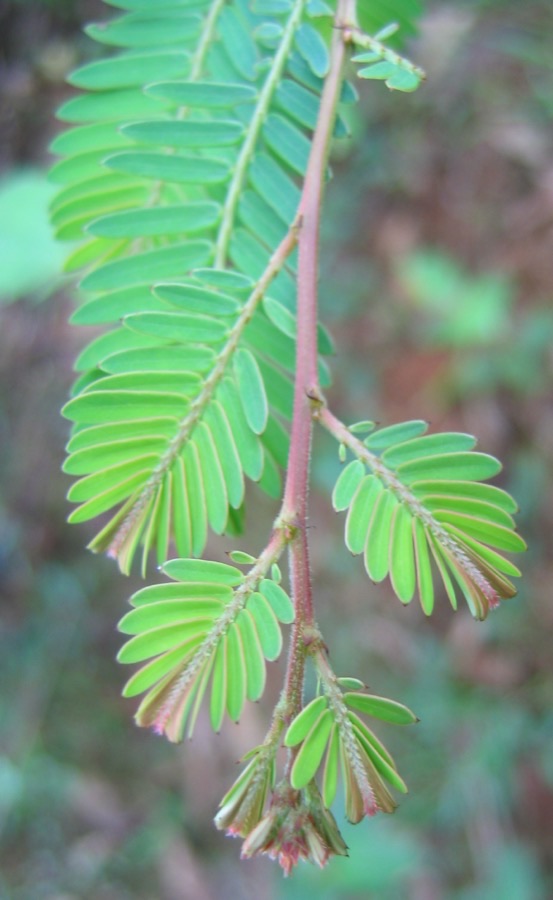
What do the leaves look like?
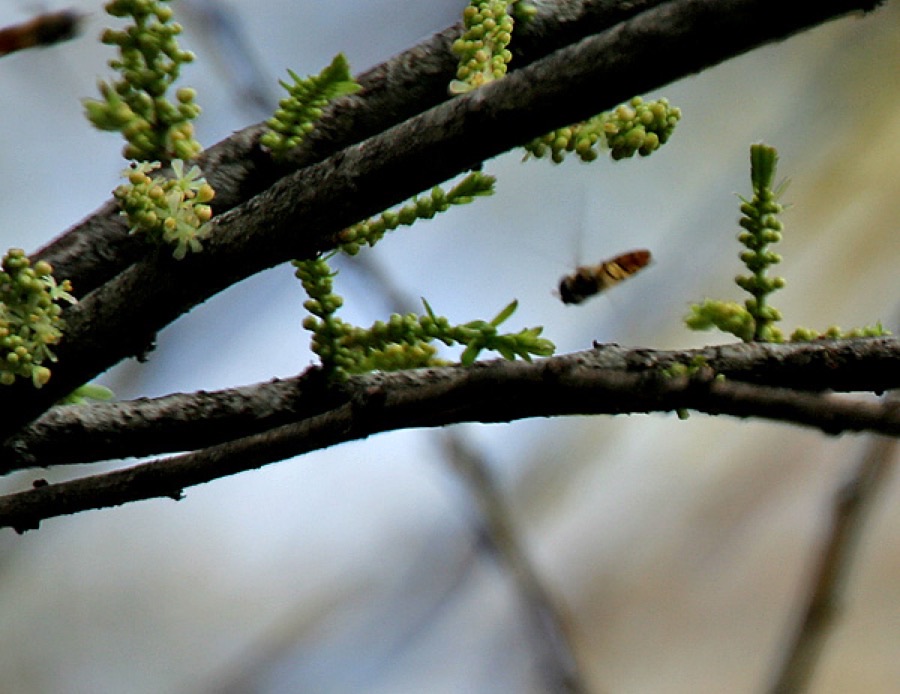
What do the flowers look like?
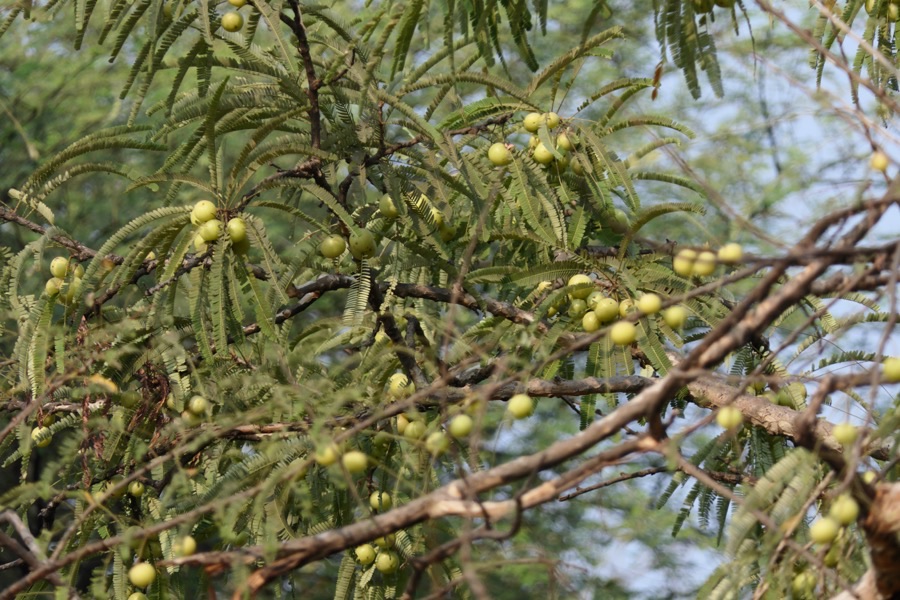
What does a bearing tree look like?
Honest Limits of This Guide
Timings here are given by season and by the state of the tree rather than in named months, because although most of the world's amla is grown in India, the guide is written for anyone. Count from your own rains and your own cool season.
You will still see this tree sold as Emblica officinalis. That name is a synonym rather than an error, and a nursery using it is not necessarily selling you the wrong plant.
Variety advice is deliberately local and no varieties are named here. Which ones bear well in a district, and crucially which ones pollinate each other, is a question for a local nursery or research station, and getting it wrong is the most expensive mistake in this crop.
Yields for this tree swing between a heavy year and a light one. Any single season's figure, good or bad, will mislead you.
Processing is described only in outline. Making preserve, pickle, candy or dried powder to a standard a buyer will accept is a craft in itself, and it is worth learning from someone who already sells it rather than from a guide.
No chemical treatments are named here. The fruit is eaten and processed, the two worst insect pests live inside the wood or inside a gall where sprays do not reach, and what is permitted differs by country and by buyer.
In Ayurveda
This plant is also a dravya of Ayurveda. Amalaki in Dravyaguna: its botanical identity, rasa, virya and karma, the part used, the dose the texts give, and its safety record.
Sources
GBIF Backbone Taxonomy species-match record for Phyllanthus emblica L. — Global Biodiversity Information Facility (GBIF), Copenhagen (source)
EPPO Global Database — Phyllanthus emblica (EPPO code PYLEM) — European and Mediterranean Plant Protection Organization (EPPO), Paris (source)
Indian Council of Agricultural Research and State Agricultural University extension guidance on aonla (amla) cultivation — Indian Council of Agricultural Research (ICAR), New Delhi (source)
FAO guidance on post-harvest handling, drying and processing of fruit — Food and Agriculture Organization of the United Nations (FAO), Rome (source)
Laisha knows Amla better than this page can show.Photo diagnosis for pests and disease, live market prices, and an agronomist you can ask at two in the morning. Ten days free, no card. After that 10 US dollars a month, one price worldwide.Start ten free days
 Laisha
AI Operating System for Agriculture
Enter Laisha