Amlavetasa
अम्लवेतस
Garcinia pedunculata Roxb.
Clusiaceae · Garcinia
Benefits & side effects
TRADITIONAL VIEW, WITH SAFETY LIMITS
What the texts say Amlavetasa does
- Deepana — kindles digestion (appetiser)
- Pachana — digests ama (digestive)
- Hikkanigrahana — relieves hiccups
- Chhardighna — relieves vomiting
- Hridya — good for the heart
What the evidence says. Traditional use is long recorded. Modern clinical evidence is limited.
Side effects and limits
- Aggravation of pitta
- Acidity with prolonged use
Avoid or ask first: Not used where there is a marked pitta state or active acid symptoms, on the classical reasoning that it is amla and ushna.
A traditional classification, not a recommendation. The full safety record is below.
Stands in 5 groups
- Deepaniya — Kindling agni
- Hridya — Good for the heart
- Hikkanigrahana — Arresting hiccough
- Purishavirajaniya — Correcting the colour of stool
- Shwasahara — Relieving breathlessness
A Samhita can only be read forwards, from the group to its members. This is the same list read backwards.
Photographs
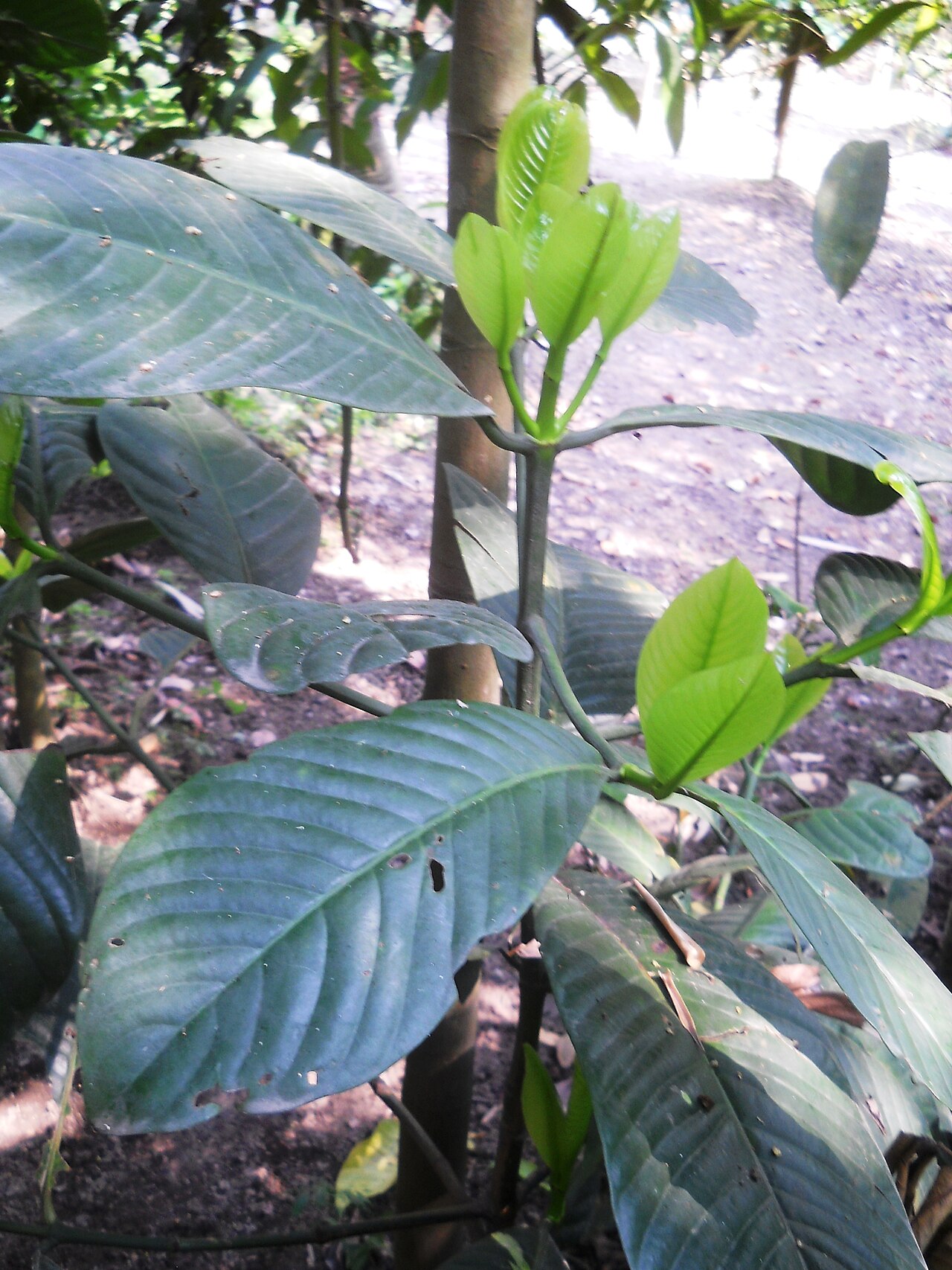
Photo: নিতুল বৰা · CC BY-SA 3.0 · Wikimedia Commons

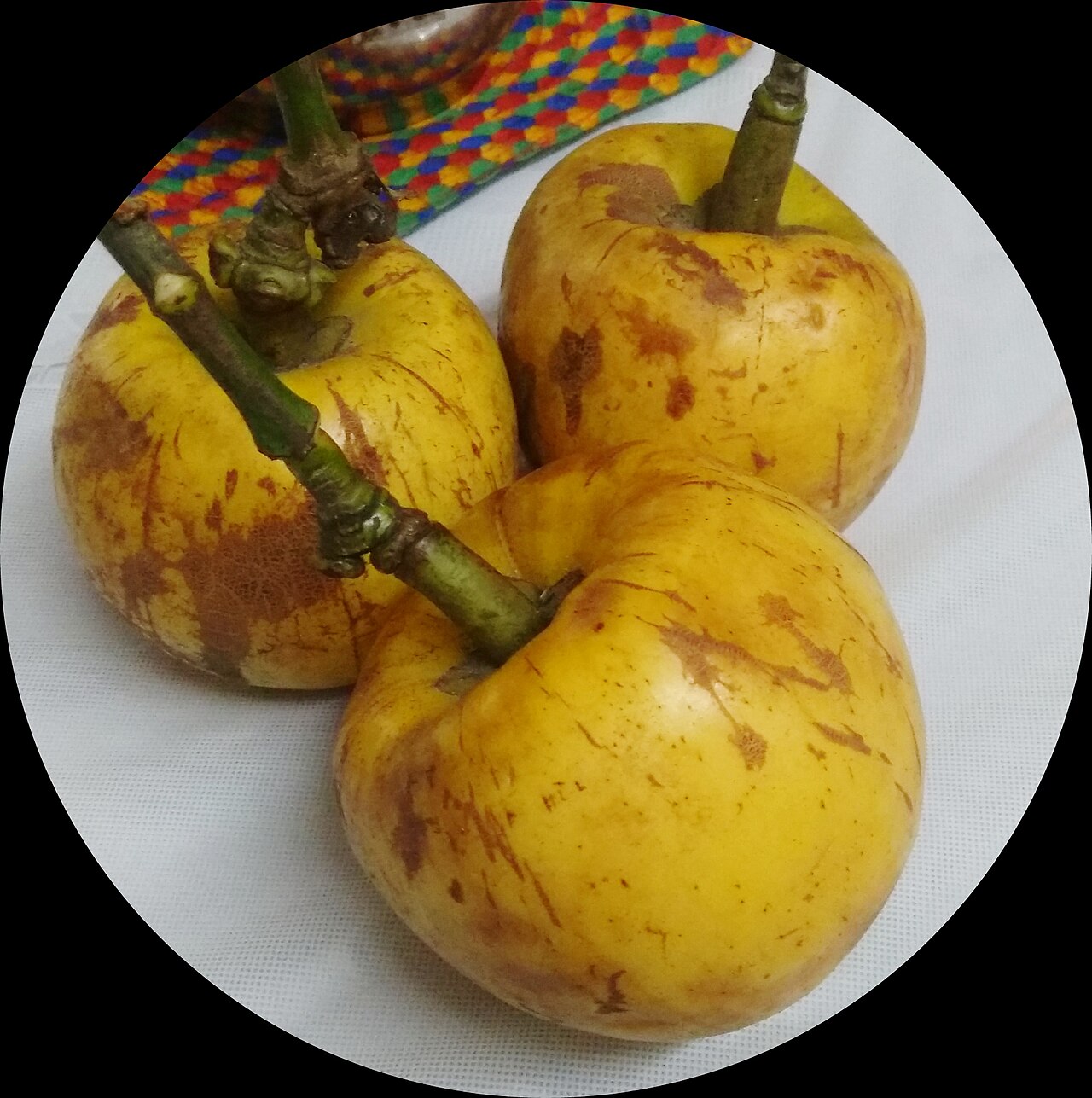
Photo: Mozzworld · CC BY-SA 4.0 · Wikimedia Commons

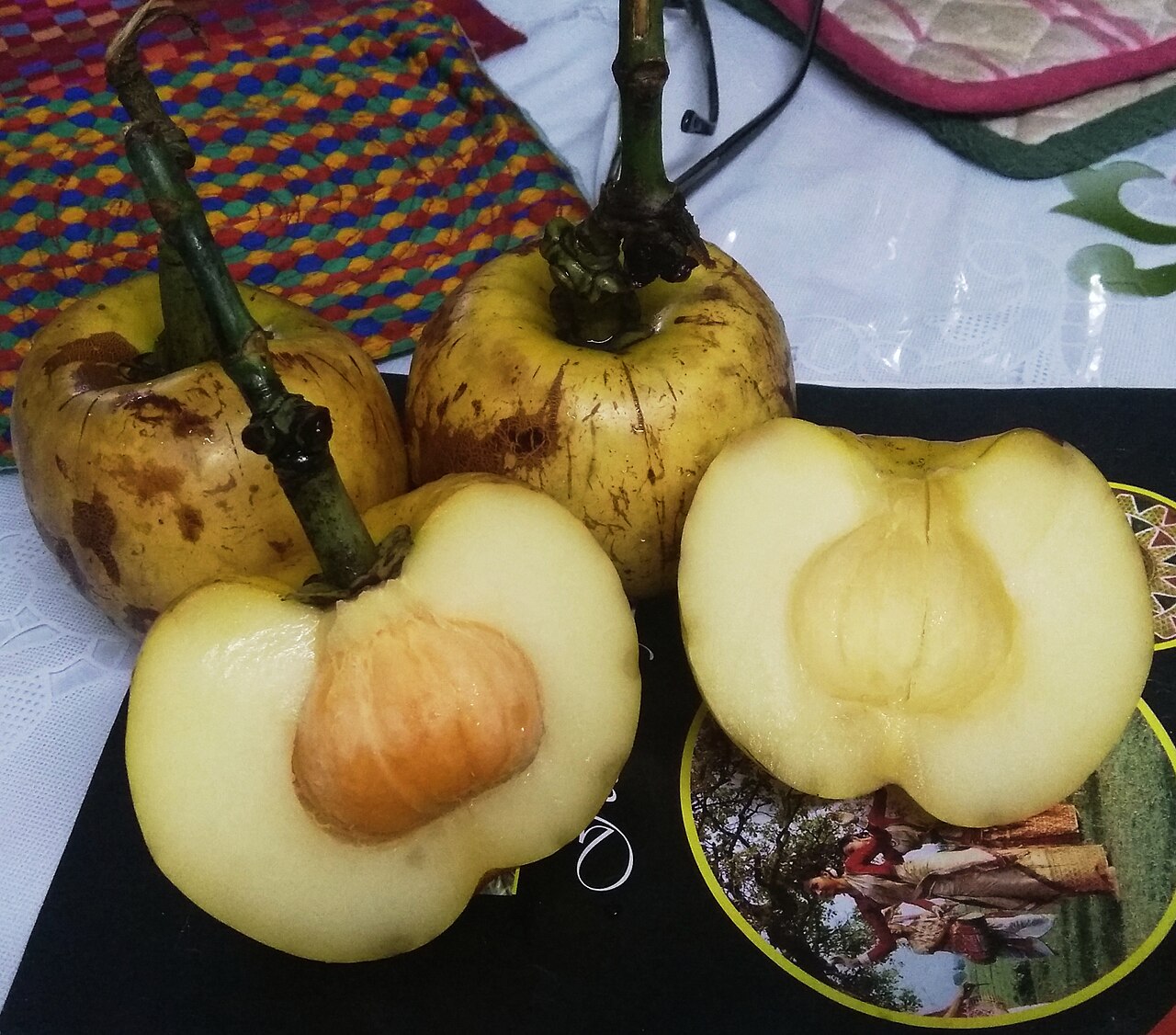
Photo: Mozzworld · CC BY-SA 4.0 · Wikimedia Commons

Matra and anupana
AS THE CLASSICAL TEXTS AND THE API PRESCRIBE
| Churna | 1–3 g |
| Anupana | Ushnodaka |
| Kala | Adhobhakta |
Small quantity; classically used within compound preparations.
Reported from Sharangadhara Samhita and the Ayurvedic Pharmacopoeia of India. Laisha states what the texts prescribe; it does not recommend. No quantity here is adjusted for a particular person — not for agni, koshtha, bala, age, pregnancy, kidney or liver function, or anything already being taken.
Rasapanchaka
| Rasa | Amla |
| Guna | LaghuRuksha |
| Virya | Ushna |
| Vipaka | Amla |
| Prabhava | The standard sour dravya of the digestive and hiccough groups; Charaka names it in four mahakashaya. |
| Doshakarma | Kaphavatahara. Increases pitta. |
Amla with ushna virya and amla vipaka — one of the few dravya where the rasa and the vipaka are both amla, which is why it heads the sour group.
Karma and part used
These are the actions the classical texts record. They are statements about what the tradition holds, and this library does not restate them as findings about a human body.
| Upayukta anga | Phala (the dried fruit) |
| Why it matters | The dried fruit where Garcinia is meant; the stem where Rheum is meant. The part changes with the identification, which is the practical measure of how unsettled it is. |
Paryaya
Names, by language
| English | Sour mangosteen |
| Hindi | Amlavetas |
| Kannada | Amlavetasa |
| Tamil | Amilavedasam |
| Telugu | Amlavetasamu |
| Malayalam | Amlavetasam |
| Marathi | Amlavetas |
| Gujarati | Amlavetas |
| Bengali | Thaikal |
| Odia | Amlabeta |
| Urdu | Amlbed |
Classical references
Formulations it appears in
| Hingvashtaka Churna | Named in some recensions of the formula. |
| Chitrakadi Vati | An ingredient. |
Adulterants and substitutes
Garcinia pedunculata, Garcinia morella, Rheum australe and even tamarind are all supplied as Amlavetasa. This is an unsettled identification rather than a simple adulteration, and the practitioner must know which plant is meant because a fruit and a rhubarb stem are not substitutable.
Identity
Amlavetasa is a contested identity. Garcinia pedunculata is the article accepted in much of modern practice; Rheum australe, the Himalayan rhubarb, is the older identification and the one that fits the classical description of a sour stem from the hills. Both are in current use under this name.
A WAY TO REMEMBER IT
Garcinia honours Laurent Garcin. Pedunculata, for the long-stalked fruit. Amlavetasa means the sour cane, which describes a rhubarb stem far better than it describes a fruit — and that is the whole argument about its identity, sitting inside the name.
What the tradition holds
Amlavetasa is named in five of Charaka's mahakashaya, consistently among the deepana and the hiccough groups. Which plant the texts meant is the part that is no longer settled.
What the evidence says
| Status | Traditional use is long recorded. Modern clinical evidence is limited. |
| Suggested | The dravya holds a pharmacopoeial monograph in India, which records an accepted identity and quality standard for the article. That is a standard for the material, not evidence of an effect in a body. |
| Not established | There is not enough good clinical evidence to establish an effect on any named health condition. Long traditional use is not a substitute for that evidence, and this library does not present it as one. |
| The honest gap | Published work on this dravya rarely records the origin or the standard of the material tested, so results cannot be attributed to a defined article. |
Safety
A sour, warming dravya that increases pitta, used in small quantity. The larger caution is identity: at least three different plants are sold under this name and one of them, Rheum, contains anthraquinones and behaves quite differently in the gut from a Garcinia fruit. Anyone pregnant, on medication or managing a diagnosed condition should speak to a doctor or a qualified practitioner first.
| Side effects | Aggravation of pitta Acidity with prolonged use |
| Contraindications | Not used where there is a marked pitta state or active acid symptoms, on the classical reasoning that it is amla and ushna. |
| Interactions | No specific drug interaction is documented for this dravya. That is the honest state of the evidence, not a statement that none exists — most Ayurvedic dravya have never been studied for interaction with modern medicines at all. |
| Pregnancy and breastfeeding | Safety in pregnancy has not been established, and cannot be assessed cleanly while the botanical source is unsettled. |
Check this page
Print it and the code still works. It goes to this page and nowhere else.
What this is not
- This is a study and clinical reference for practitioners and students. The matra and anupana it records are what the classical texts and the Ayurvedic Pharmacopoeia of India PRESCRIBE — Laisha reports them, it does not recommend them. They are not a prescription for any particular person, and they are not adjusted for your age, agni, koshtha, bala, pregnancy, kidney or liver function, or anything else you are already taking. Only a qualified practitioner who has examined you can do that.
- Traditional classification is recorded as what the classical texts say, with the text and the place in it named so it can be checked. It is not restated as a finding about a human body.
- Nothing here replaces a qualified Ayurvedic practitioner or a doctor.
Sources
https://api.gbif.org/v1/species/match?name=Garcinia%20pedunculata%20Roxb.
https://pcimh.gov.in/
https://niimh.nic.in/ebooks/ebnighantu/
https://niimh.nic.in/ebooks/esharangadhara/