Amra
आम्र
Mangifera indica L.
Anacardiaceae · Mangifera
Benefits & side effects
TRADITIONAL VIEW, WITH SAFETY LIMITS
Hindi name: Aam
What the texts say Amra does
- Balya — strengthening
- Vrishya — aphrodisiac, supports reproductive vigour
- Brimhana — nourishing, builds tissue
- Grahi — digestive that absorbs excess fluid and binds the stool
- Raktastambhana — checks bleeding (haemostatic)
- Varnya — improves complexion
What the evidence says. Traditional use is extensive and long recorded. Modern clinical evidence is limited.
Side effects and limits
- Contact dermatitis around the mouth from the sap
- Digestive heaviness in quantity
- Skin reactions in those sensitive to the Anacardiaceae
Avoid or ask first: Known allergy to cashew, pistachio or other Anacardiaceae.; Unripe fruit in quantity, which the texts themselves warn against.
A traditional classification, not a recommendation. The full safety record is below.
Stands in 5 groups
- Hridya — Good for the heart
- Purishavirajaniya — Correcting the colour of stool
- Mutrasangrahaniya — Binding the urine
- Chhardinigrahana — Arresting vomiting
- Nyagrodhadi — Wounds, burns, Pitta, and Prameha
A Samhita can only be read forwards, from the group to its members. This is the same list read backwards.
Photographs
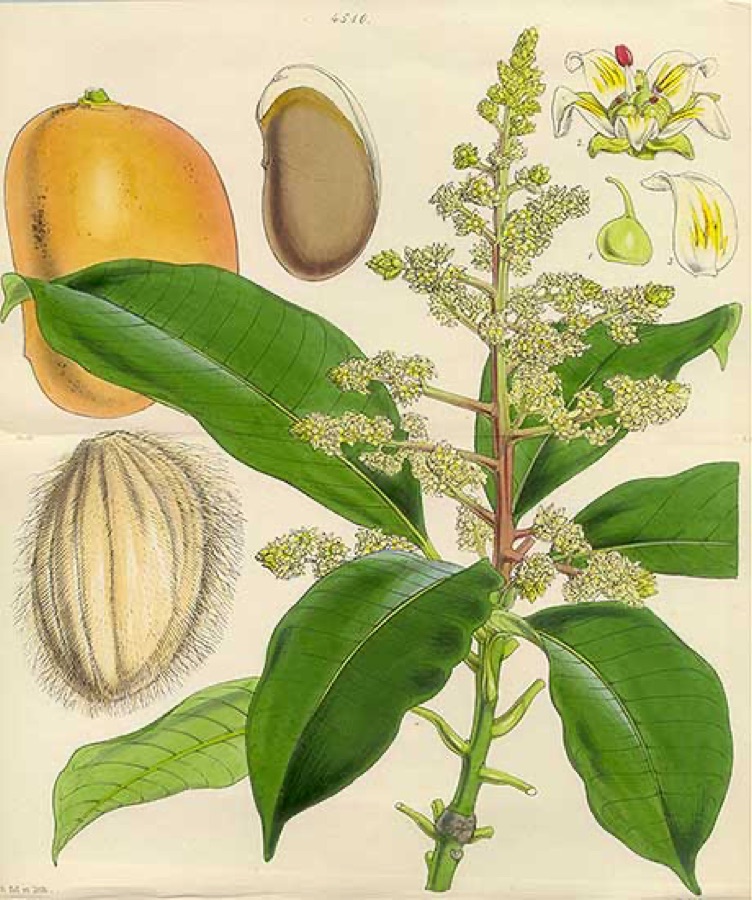
Photo: Walter Hood Fitch (1817-1892) del. et lith. Description by John Smith (1798 - 1888) · Public domain · Wikimedia Commons

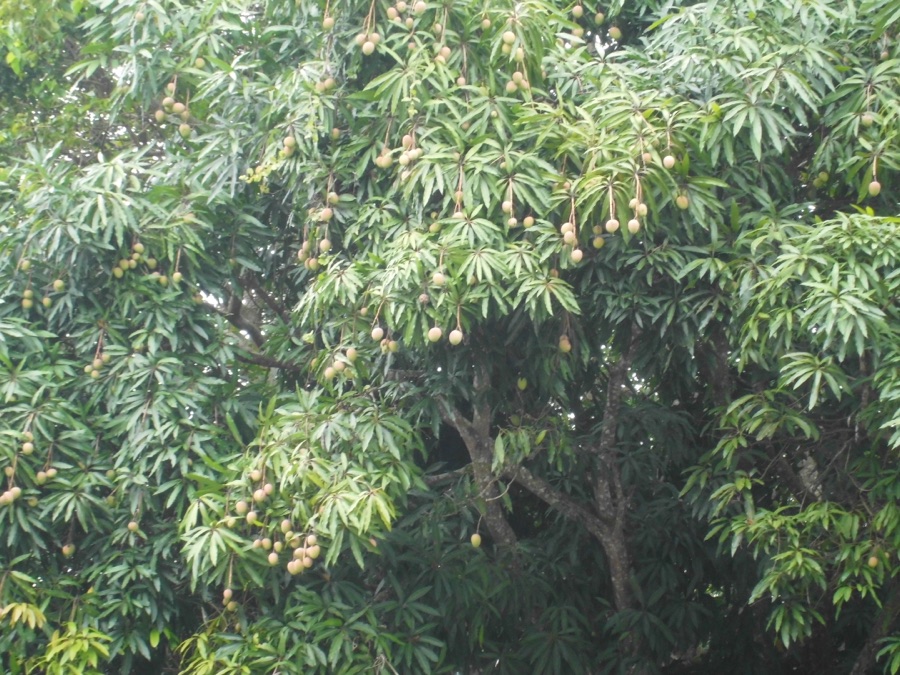
Photo: Veronidae · CC BY-SA 3.0 · Wikimedia Commons

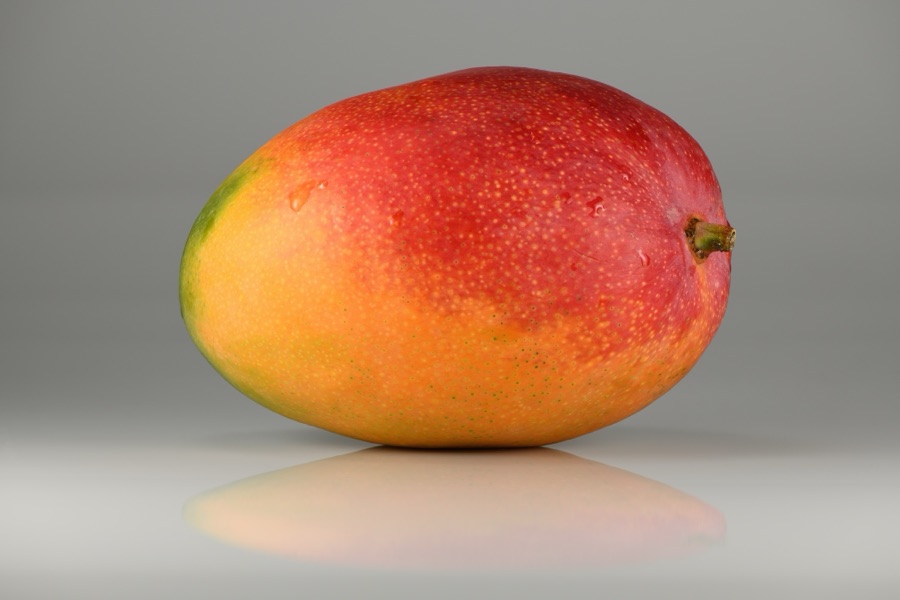
Photo: Ivar Leidus · CC BY-SA 4.0 · Wikimedia Commons

Matra and anupana
AS THE CLASSICAL TEXTS AND THE API PRESCRIBE
| Beeja majja churna | 1–3 g |
| Twak kwatha | 50–100 ml |
| Anupana | Takra · Madhu |
| Kala | Adhobhakta |
The kernel and bark are the medicinal parts; the ripe fruit is food.
Reported from Sharangadhara Samhita and the Ayurvedic Pharmacopoeia of India. Laisha states what the texts prescribe; it does not recommend. No quantity here is adjusted for a particular person — not for agni, koshtha, bala, age, pregnancy, kidney or liver function, or anything already being taken.
Rasapanchaka
| Rasa | MadhuraAmla |
| Guna | GuruSnigdha |
| Virya | Sheeta |
| Vipaka | Madhura |
| Prabhava | The texts treat the ripe fruit as balya and vrishya and the unripe as grahi and pittakara, and warn specifically against eating unripe mango in quantity. |
| Doshakarma | Vatapittahara in the ripe fruit; the unripe is pittakara and raktadushti-kara, which the texts say plainly. |
The ripe fruit is madhura with sheeta virya and madhura vipaka. The unripe is amla and kashaya with ushna virya — the texts treat them as opposite, and this is the examinable point.
Karma and part used
These are the actions the classical texts record. They are statements about what the tradition holds, and this library does not restate them as findings about a human body.
| Upayukta anga | Pakva phala (the ripe fruit) Ama phala (the unripe fruit) Beeja majja (the seed kernel) Patra (the leaf) Twak (the bark) |
| Why it matters | The texts treat the unripe and the ripe fruit as different dravya with opposite properties, and the seed kernel as a third article again. |
Paryaya
Pikavallabha, beloved of the cuckoo, and Madhudoota, messenger of spring — the paryaya of this tree are almost all poetic rather than descriptive, which is unusual and tells you what place it held.
Names, by language
| English | Mango |
| Sinhala | Amba |
| Nepali | Aanp |
| Hindi | Aam |
| Kannada | Mavu |
| Tamil | Mangai |
| Telugu | Mamidi |
| Malayalam | Manga |
| Marathi | Amba |
| Gujarati | Keri |
| Bengali | Aam |
| Punjabi | Amb |
| Odia | Amba |
| Urdu | Aam |
Classical references
Rasa, guna, virya, vipaka and karma are recorded as the classical texts give them, with the text and section named so a student can open the book and check. Where an exact chapter and verse could not be confirmed, this library names the section rather than inventing a number.
Formulations it appears in
| Amra Beeja Churna | The seed kernel, used as a dravya. |
| Amrasava | A fermented preparation named for the dravya. |
| Bilvadi Churna | Amra appears in some recensions. |
Adulterants and substitutes
The fruit is not adulterated but is very commonly ripened artificially with calcium carbide, which is banned for that purpose in India and leaves arsenic and phosphorus residues, and with ethylene ripeners which are permitted. Carbide-ripened fruit colours evenly while staying hard, which is the practical test. Dried leaf and bark are substituted with other Mangifera species.
Identity
Matched live against the GBIF backbone on 28 September 2026 at 99 per cent confidence. The same family as cashew and bhallataka, which is directly relevant to the skin reaction described below.
A WAY TO REMEMBER IT
Mangifera is mango-bearing: mangga (Malayalam manga) + fero, I carry. Indica, of India. The genus name contains the fruit's own name.
What the tradition holds
Amra heads its own varga in the Bhavaprakasha Nighantu, with the ripe and unripe fruit described separately. That is what the tradition holds and where it is written down, not a finding about what the fruit does in a body.
Constituents. The fruit carries sugars, carotenoids and mangiferin. The peel and sap carry urushiol-type compounds, the same chemical class as in poison ivy and in bhallataka.
What the evidence says
| Status | Traditional use is extensive and long recorded. Modern clinical evidence is limited. |
| Suggested | Health Canada publishes monographs covering Ayurvedic ingredients and permits specific traditional-use claims, which reflects a regulator accepting a documented tradition rather than a body of clinical trial evidence. |
| Not established | There is not enough good clinical evidence to establish an effect on any named health condition. Long traditional use is not a substitute for that evidence, and this library does not present it as one. |
| The honest gap | Published work largely concerns mangiferin or peel extracts rather than the fruit as eaten. |
Safety
Food for most people, but three real cautions. The sap and peel carry urushiol-type compounds — the same class as poison ivy and as its relative bhallataka — and contact dermatitis around the mouth from the sap is well documented, particularly in people sensitive to cashew or pistachio. Artificial ripening with calcium carbide is banned in India but still happens and leaves arsenic residues. And the fruit is high in sugar, which matters in medicinal quantity for anyone managing diabetes. Anyone on medication, pregnant, or managing a diagnosed condition should speak to a doctor or a qualified practitioner first.
| Side effects | Contact dermatitis around the mouth from the sap Digestive heaviness in quantity Skin reactions in those sensitive to the Anacardiaceae |
| Contraindications | Known allergy to cashew, pistachio or other Anacardiaceae. Unripe fruit in quantity, which the texts themselves warn against. |
| Interactions | No specific drug interaction is documented for this dravya. That is the honest state of the evidence, not a statement that none exists — most Ayurvedic dravya have never been studied for interaction. Tell the prescribing doctor it is being taken. The unripe fruit and the kernel are high in tannin and can reduce the absorption of a drug taken with them. |
| Pregnancy and breastfeeding | Ordinary culinary use is long established. Medicinal quantities in pregnancy or breastfeeding should be discussed with a qualified practitioner first. |
Growing it
| Climate | Tropical and subtropical, with a dry period before flowering. |
| Soil | Deep, well-drained ground. |
| Planting | A large tree, grafted rather than seed-grown for a named variety. |
| Harvest | Fruit picked mature and allowed to ripen off the tree. Leaves and bark collected as needed. |
| What is not stated | This library has not verified region-specific spacing, variety and yield figures against a named agricultural authority for every growing country, and does not state them rather than guessing. |
Grown as a crop: how to grow mango, from sowing to harvest, in Laisha's grow guides.
Check this page
Print it and the code still works. It goes to this page and nowhere else.
What this is not
- This is a study and clinical reference for practitioners and students. The matra and anupana it records are what the classical texts and the Ayurvedic Pharmacopoeia of India PRESCRIBE — Laisha reports them, it does not recommend them. They are not a prescription for any particular person, and they are not adjusted for your age, agni, koshtha, bala, pregnancy, kidney or liver function, or anything else you are already taking. Only a qualified practitioner who has examined you can do that.
- Traditional classification is recorded as what the classical texts say, with the text and the place in it named so it can be checked. It is not restated as a finding about a human body.
- Nothing here replaces a qualified Ayurvedic practitioner or a doctor.
Sources
https://api.gbif.org/v1/species/match?name=Mangifera%20indica
https://pcimh.gov.in/
https://www.canada.ca/en/health-canada/services/drugs-health-products/natural-non-prescription/applications-submissions/product-licensing/compendium-monographs.html
https://niimh.nic.in/ebooks/esharangadhara/