Arjuna
अर्जुन
Terminalia arjuna (Roxb. ex DC.) Wight & Arn.
Combretaceae · Terminalia
Benefits & side effects
TRADITIONAL VIEW, WITH SAFETY LIMITS
What the texts say Arjuna does
- Hridya — good for the heart
- Sandhaniya — unites tissue, helps fractures and wounds join
- Varnya — improves complexion
- Medohara — reduces fat
- Kaphahara — pacifies kapha
What the evidence says. Traditional use is extensive and long recorded. Modern clinical evidence is limited.
Side effects and limits
- Digestive discomfort
- Constipation from the tannins
Avoid or ask first: No absolute contraindication is documented here. This is written deliberately rather than left blank.
A traditional classification, not a recommendation. The full safety record is below.
Stands in 2 groups
- Salasaradi — Prameha, obesity, and skin disease
- Nyagrodhadi — Wounds, burns, Pitta, and Prameha (named there as Kakubha)
A Samhita can only be read forwards, from the group to its members. This is the same list read backwards.
Photographs
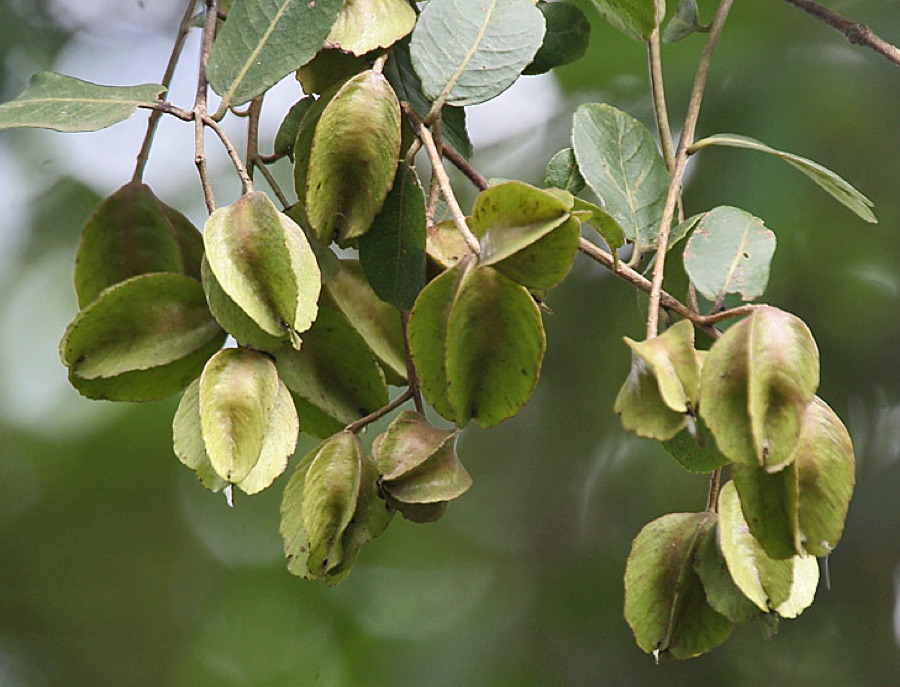
Photo: J.M.Garg · CC BY-SA 3.0 · Wikimedia Commons

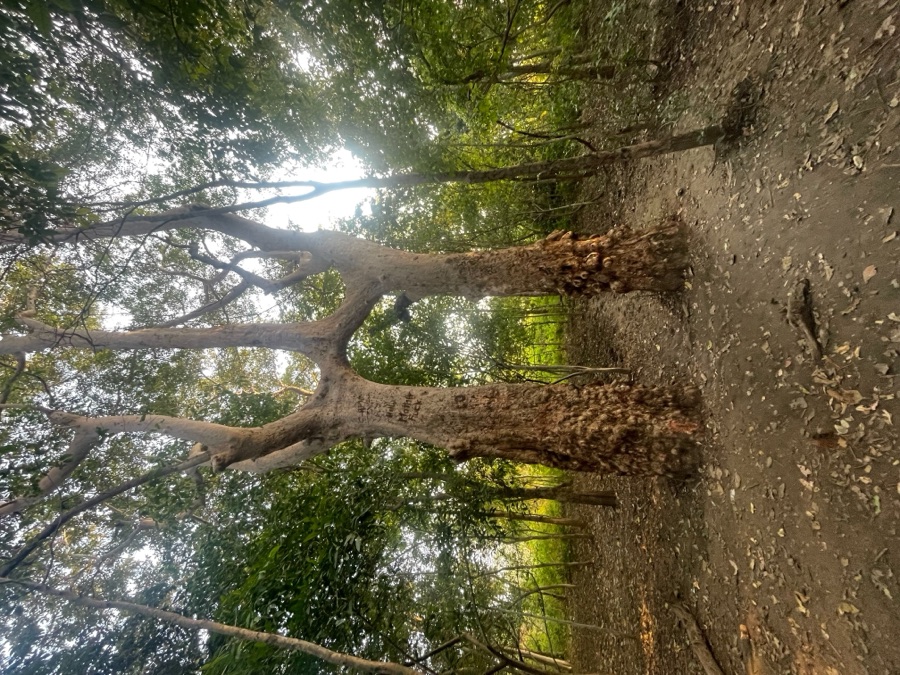
Photo: Prashanthns · CC BY-SA 4.0 · Wikimedia Commons

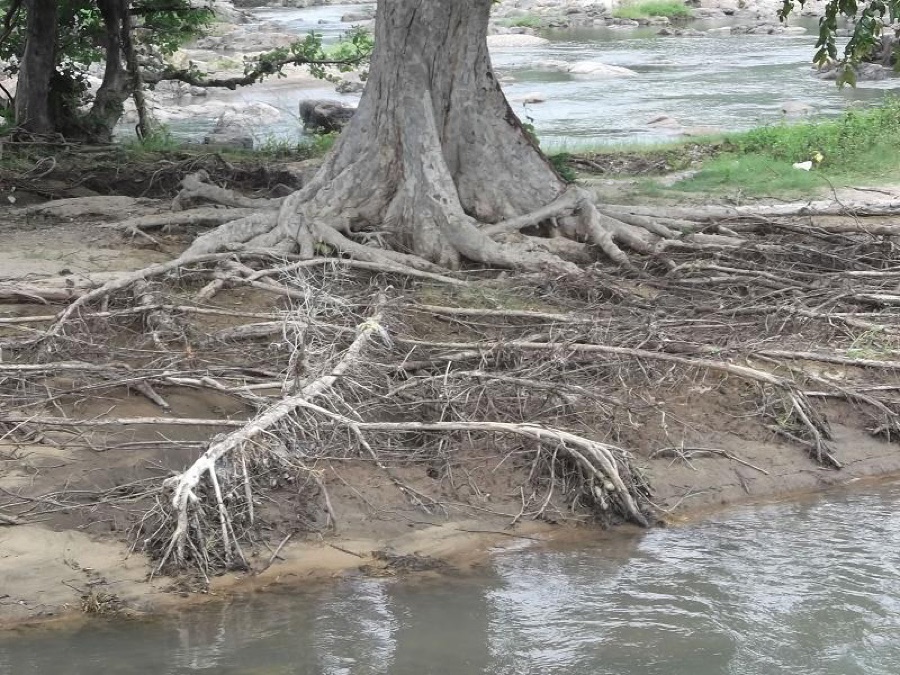
Photo: Emőke Dénes · CC BY-SA 4.0 · Wikimedia Commons

Matra and anupana
AS THE CLASSICAL TEXTS AND THE API PRESCRIBE
| Twak churna | 3–6 g |
| Kwatha | 50–100 ml |
| Ksheerapaka | 50–100 ml |
| Anupana | Dugdha · Ghrita · Guda |
| Kala | Adhobhakta |
Ksheerapaka — decocted in milk — is the classical hridya preparation and is not the same as the churna.
Reported from Sharangadhara Samhita and the Ayurvedic Pharmacopoeia of India. Laisha states what the texts prescribe; it does not recommend. No quantity here is adjusted for a particular person — not for agni, koshtha, bala, age, pregnancy, kidney or liver function, or anything already being taken.
Pharmacopoeial standard
Ayurvedic Pharmacopoeia of India, Part I
| Marker | Tannins and arjunolic acid on TLC |
| Assay | As the monograph gives |
| Total ash | Total ash not more than 28 per cent |
| Acid-insoluble ash | Not more than 2 per cent |
| Alcohol-soluble extractive | Alcohol-soluble extractive not less than 8 per cent |
| Water-soluble extractive | Water-soluble extractive not less than 18 per cent |
| Foreign matter | Foreign matter not more than 2 per cent |
The high total ash is characteristic of the bark and is not a sign of adulteration in itself; the acid-insoluble fraction is what to read.
These are the pharmacopoeial limits for the article, not a test Laisha has run on anything. They are here so a practitioner can ask a supplier for a certificate of analysis and know what the numbers on it should say.
Rasapanchaka
| Rasa | Kashaya |
| Guna | LaghuRuksha |
| Virya | Sheeta |
| Vipaka | Katu |
| Prabhava | The texts single out arjuna as hridya — acting on the heart — and treat that as prabhava rather than as following from its rasapanchaka. |
| Doshakarma | Kaphapittahara. Being ruksha and sheeta it can increase vata. |
A single rasa, kashaya, and with sheeta virya and katu vipaka — the combination the texts associate with its action on pitta and kapha.
Karma and part used
These are the actions the classical texts record. They are statements about what the tradition holds, and this library does not restate them as findings about a human body.
| Upayukta anga | Twak (the stem bark) |
| Why it matters | The bark of the trunk is the dravya. It is taken from a living tree, which is the reason the collection method matters: bark stripped all the way round a trunk kills the tree, and the traditional practice is to take it in vertical strips from part of the circumference only. |
Paryaya
Nadisarja records where it grows — beside rivers. Dhavala means white and describes the pale smooth bark, which is how the tree is recognised at a distance.
Names, by language
| English | Arjuna |
| Sinhala | Kumbuk |
| Nepali | Arjun |
| Hindi | Arjun |
| Kannada | Neermatti |
| Tamil | Marudham |
| Telugu | Tella maddi |
| Malayalam | Neermaruthu |
| Marathi | Arjun sadada |
| Gujarati | Arjun sadado |
| Bengali | Arjun |
| Punjabi | Arjan |
| Odia | Arjuna |
| Urdu | Arjun |
Classical references
Rasa, guna, virya, vipaka and karma are recorded as the classical texts give them, with the text and section named so a student can open the book and check. Where an exact chapter and verse could not be confirmed, this library names the section rather than inventing a number.
Formulations it appears in
| Arjunarishta | A fermented preparation named for the dravya. |
| Arjuna Ksheerapaka | A milk preparation named for it. |
| Partadi Kwatha | Arjuna is the principal dravya. |
Adulterants and substitutes
Bark of other Terminalia species, and of unrelated trees with pale bark, is sold as arjuna — and once the bark is dried, broken and powdered the distinguishing features are gone. The more serious problem is not identity but method: bark taken by ring-barking kills the tree, and a supply chain that does not ask how the bark was collected is one that destroys its own source.
Identity
Matched live against the GBIF backbone on 28 September 2026 at 99 per cent confidence. The genus also holds haritaki and bibhitaki, and bark of other Terminalia species is substituted for arjuna where the trees grow together.
A WAY TO REMEMBER IT
Terminalia from Latin terminus, an end — the leaves cluster at the very ends of the shoots. Arjuna is the Sanskrit name, and also means white, for the pale bark.
What the tradition holds
Arjuna is described in the Bhavaprakasha Nighantu among the trees and is recorded in the classical literature as hridya. That is what the tradition holds and where it is written down, not a finding about what the bark does in a body.
Constituents. The bark carries tannins, triterpenoid saponins including arjunolic acid, and flavonoids. Content varies with the age of the tree and the part of the trunk the bark came from.
What the evidence says
| Status | Traditional use is extensive and long recorded. Modern clinical evidence is limited. |
| Suggested | Health Canada publishes monographs covering Ayurvedic ingredients and permits specific traditional-use claims, which reflects a regulator accepting a documented tradition rather than a body of clinical trial evidence. |
| Not established | There is not enough good clinical evidence to establish an effect on any named health condition. Long traditional use is not a substitute for that evidence, and this library does not present it as one. |
| The honest gap | Published work rarely records the age of the tree or how the bark was taken, and both change the material. |
Safety
The cautions that matter are its interaction with medicines for the heart and blood pressure, which is the very area the tradition uses it in — anyone already treated for a heart condition should not add it without telling their doctor. Its ruksha and sheeta nature can aggravate vata. Anyone on medication, pregnant, or managing a diagnosed condition should speak to a doctor or a qualified practitioner first.
| Side effects | Digestive discomfort Constipation from the tannins |
| Contraindications | No absolute contraindication is documented here. This is written deliberately rather than left blank. |
| Interactions | Antihypertensives, beta blockers and antianginals — additive effect on blood pressure and heart rate. This is the point of the dravya and also its interaction. Thyroid hormone — thyroid-stimulating activity reported; monitor if given long term. |
| Pregnancy and breastfeeding | There is not enough evidence to establish safety in pregnancy or breastfeeding, and a qualified practitioner should be asked first. |
Growing it
| Climate | Subtropical and tropical, characteristically along watercourses. |
| Soil | Deep alluvial ground beside rivers; tolerates seasonal flooding. |
| Planting | A large tree, raised from seed. Takes many years before bark can be taken. |
| Harvest | Bark is taken in vertical strips from part of the trunk only, in the traditional practice, so the tree survives and regrows it. Ring-barking kills the tree. |
| What is not stated | This library has not verified region-specific spacing, variety and yield figures against a named agricultural authority for every growing country, and does not state them rather than guessing. |
Check this page
Print it and the code still works. It goes to this page and nowhere else.
What this is not
- This is a study and clinical reference for practitioners and students. The matra and anupana it records are what the classical texts and the Ayurvedic Pharmacopoeia of India PRESCRIBE — Laisha reports them, it does not recommend them. They are not a prescription for any particular person, and they are not adjusted for your age, agni, koshtha, bala, pregnancy, kidney or liver function, or anything else you are already taking. Only a qualified practitioner who has examined you can do that.
- Traditional classification is recorded as what the classical texts say, with the text and the place in it named so it can be checked. It is not restated as a finding about a human body.
- Nothing here replaces a qualified Ayurvedic practitioner or a doctor.
Sources
https://api.gbif.org/v1/species/match?name=Terminalia%20arjuna
https://pcimh.gov.in/
https://www.canada.ca/en/health-canada/services/drugs-health-products/natural-non-prescription/applications-submissions/product-licensing/compendium-monographs.html
https://niimh.nic.in/ebooks/esharangadhara/