Daruharidra
दारुहरिद्रा
Berberis aristata DC.
Berberidaceae · Berberis
One name, more than one plant
Matched live against the GBIF backbone on 28 September 2026 at 99 per cent confidence. Several Himalayan Berberis species are used interchangeably. The name means wood-turmeric: the stem is yellow inside like haridra, and the two are paired in the texts but are entirely unrelated plants.
Benefits & side effects
TRADITIONAL VIEW, WITH SAFETY LIMITS
Hindi name: Daruhaldi
What the texts say Daruharidra does
- Kushthaghna — used in skin disease
- Krimighna — anthelmintic (against worms)
- Lekhana — scraping, reduces excess tissue and fat
- Vranashodhana — cleans wounds
- Netrya — good for the eyes
- Raktashodhana — purifies the blood
What the evidence says. Traditional use is extensive and long recorded. Modern clinical evidence is limited.
Side effects and limits
- Digestive upset
- Loose stool
- Bitterness and nausea
Avoid or ask first: Newborn infants.; Pregnancy and breastfeeding.
A traditional classification, not a recommendation. The full safety record is below.
Stands in 7 groups
- Lekhaniya — Scraping and reducing
- Udardaprashamana — Allaying urticaria
- Kandughna — Relieving itching
- Salasaradi — Prameha, obesity, and skin disease (named there as Kaliyaka)
- Haridradi — Kapha and the skin
- Mustadi — Cleansing breast milk, Kapha, and the vagina
- Lakshadi — Worms, itching, and the skin
A Samhita can only be read forwards, from the group to its members. This is the same list read backwards.
Photographs
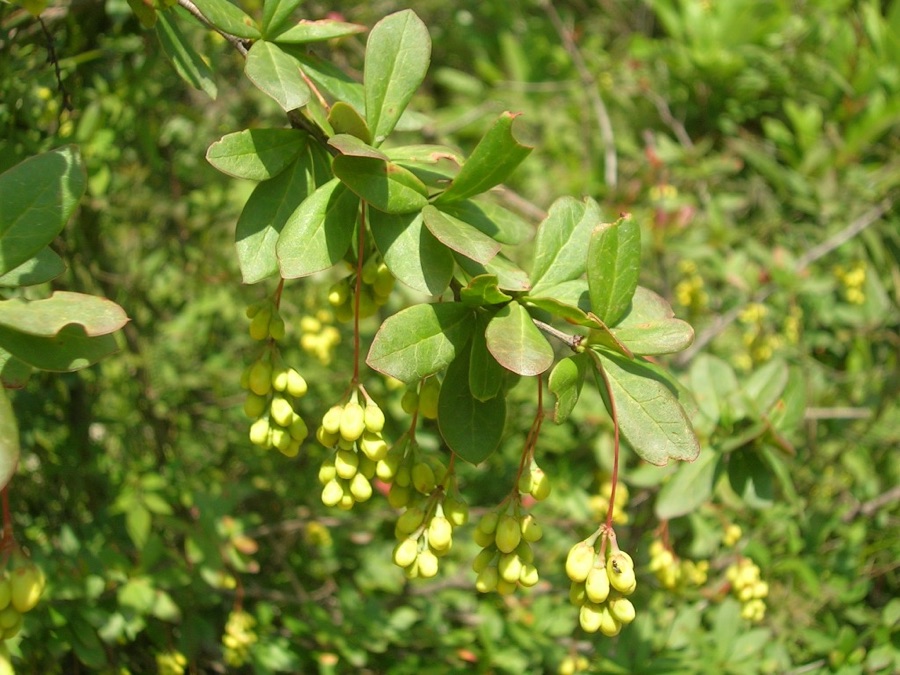
Photo: L. Shyamal · CC BY-SA 3.0 · Wikimedia Commons

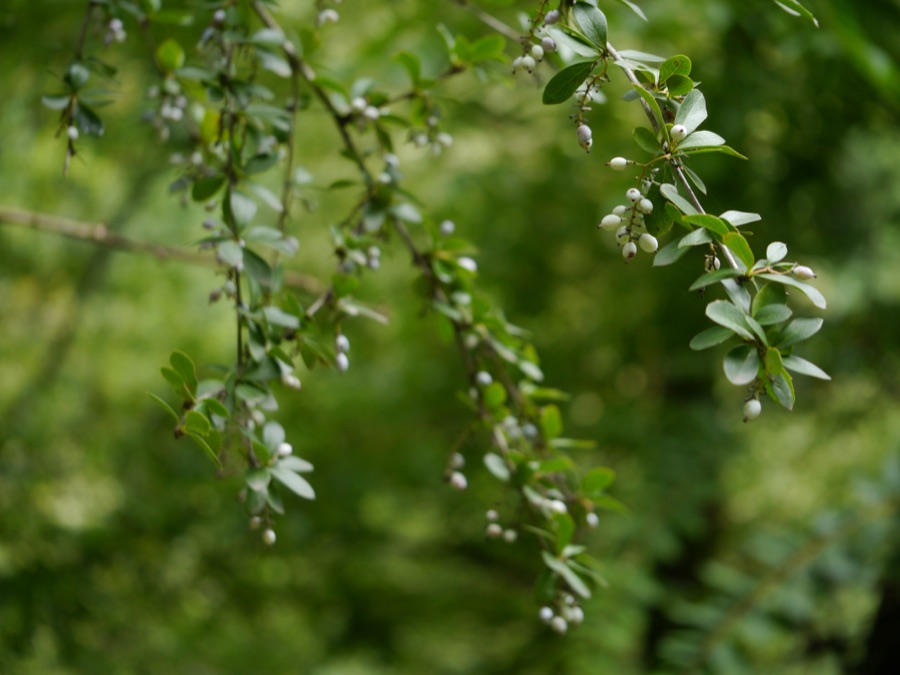
Photo: Dinesh Valke from Thane, India · CC BY-SA 2.0 · Wikimedia Commons

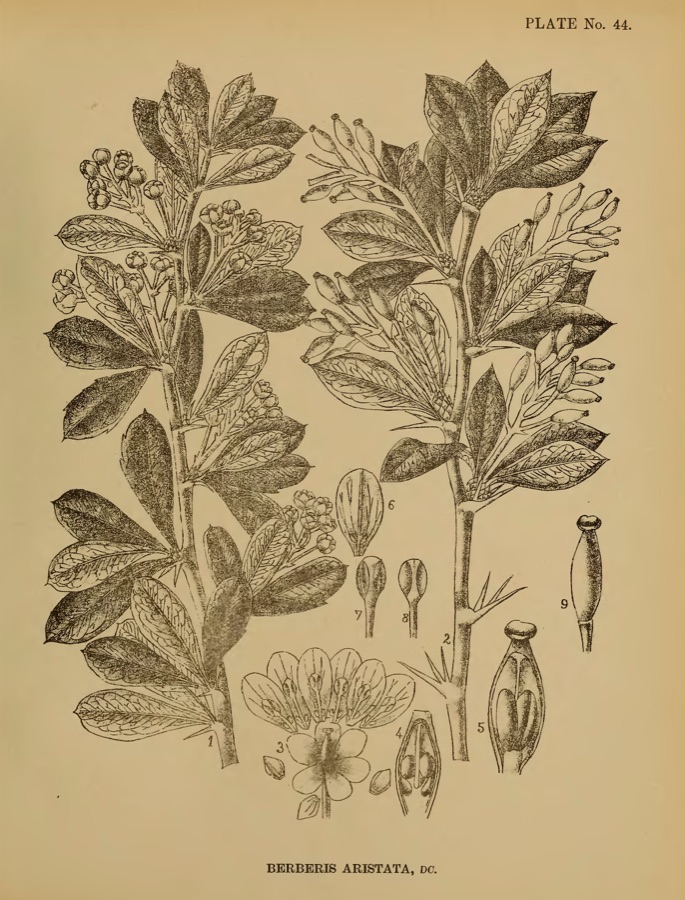
Photo: Kirtikar, Kanhoba Ranchoddas, 1849-1917 · Public domain · Wikimedia Commons

Matra and anupana
AS THE CLASSICAL TEXTS AND THE API PRESCRIBE
| Churna | 1–3 g |
| Kwatha | 20–40 ml |
| Rasanjana | 0.5–1 g |
| Anupana | Madhu · Ushnodaka |
| Kala | Adhobhakta |
Rasanjana, the boiled-down aqueous extract, is a separate preparation with its own smaller matra.
Reported from Sharangadhara Samhita and the Ayurvedic Pharmacopoeia of India. Laisha states what the texts prescribe; it does not recommend. No quantity here is adjusted for a particular person — not for agni, koshtha, bala, age, pregnancy, kidney or liver function, or anything already being taken.
Pharmacopoeial standard
Ayurvedic Pharmacopoeia of India, Part I
| Marker | Berberine |
| Assay | |
| Total ash | |
| Acid-insoluble ash | |
| Alcohol-soluble extractive | |
| Water-soluble extractive | |
| Foreign matter |
Berberis aristata stem. Berberine is the marker across the whole Berberis group, so it confirms the genus rather than the species.
These are the marker and the identity test for this dravya, and they are not a test Laisha has run on anything. Laisha does not state the numeric limits here: the assay, ash and extractive figures must be read from the current edition of the Ayurvedic Pharmacopoeia of India, because a wrong limit printed here is a number a laboratory would act on. The entries in this library that DO carry figures carry them because each one was checked.
Rasapanchaka
| Rasa | TiktaKashaya |
| Guna | LaghuRuksha |
| Virya | Ushna |
| Vipaka | Katu |
| Prabhava | The texts treat daruharidra as acting on the eye through the preparation Rasanjana, and as kushthaghna, and pair it with haridra although they are unrelated plants. |
| Doshakarma | Kaphapittahara. |
Tikta and kashaya with ushna virya and katu vipaka.
Karma and part used
These are the actions the classical texts record. They are statements about what the tradition holds, and this library does not restate them as findings about a human body.
| Upayukta anga | Kanda (the stem) Mula (the root) Rasanjana, the boiled-down extract |
| Why it matters | The stem and root are the dravya. An extract of them boiled down is Rasanjana, a separate preparation with its own name and uses. |
Paryaya
Pita daru, yellow wood, is the identifying feature: a cut stem is bright yellow inside from berberine, and no other Himalayan shrub of that size is.
Names, by language
| English | Indian barberry |
| Sinhala | Daruharidra |
| Nepali | Chutro |
| Hindi | Daruhaldi |
| Kannada | Maradarishina |
| Tamil | Marmanjal |
| Telugu | Manupasupu |
| Malayalam | Maramanjal |
| Marathi | Daruhalad |
| Gujarati | Daruhaldar |
| Bengali | Daruharidra |
| Punjabi | Sumalu |
| Odia | Daruharidra |
| Urdu | Darhald |
Classical references
Rasa, guna, virya, vipaka and karma are recorded as the classical texts give them, with the text and section named so a student can open the book and check. Where an exact chapter and verse could not be confirmed, this library names the section rather than inventing a number.
Formulations it appears in
| Rasanjana | The extract prepared from this dravya. |
| Darvyadi Kwatha | Named for the dravya. |
| Khadirarishta | Among the dravya of the formulation. |
Adulterants and substitutes
Berberis species are substituted for one another freely and differ in berberine content. More consequentially, Coscinium fenestratum — tree turmeric, an unrelated Menispermaceae — is sold as Daruharidra in south India, and Berberis lycium and Mahonia species are also used. All of these are yellow inside, which is the only test most buyers apply.
Identity
Matched live against the GBIF backbone on 28 September 2026 at 99 per cent confidence. Several Himalayan Berberis species are used interchangeably. The name means wood-turmeric: the stem is yellow inside like haridra, and the two are paired in the texts but are entirely unrelated plants.
A WAY TO REMEMBER IT
Berberis is from the Arabic barbaris. Aristata means bearing a bristle or awn, for the spines. Daru-haridra is wood-turmeric: yellow inside like haridra, but it is wood, not a rhizome.
What the tradition holds
Daruharidra is described in the Bhavaprakasha Nighantu, which also describes Rasanjana prepared from it. That is what the tradition holds and where it is written down, not a finding about what the stem does in a body.
Constituents. The stem and root carry the alkaloid berberine, which is what makes them yellow and is also the source of the caution below.
What the evidence says
| Status | Traditional use is extensive and long recorded. Modern clinical evidence is limited. |
| Suggested | Health Canada publishes monographs covering Ayurvedic ingredients and permits specific traditional-use claims, which reflects a regulator accepting a documented tradition rather than a body of clinical trial evidence. |
| Not established | There is not enough good clinical evidence to establish an effect on any named health condition. Long traditional use is not a substitute for that evidence, and this library does not present it as one. |
| The honest gap | Published work overwhelmingly studies isolated berberine, often at doses far above what the crude drug supplies. |
Safety
The important caution concerns newborns. Berberine displaces bilirubin from its binding in the blood, and in a jaundiced newborn that can raise free bilirubin to levels that damage the brain. Berberine-containing plants are therefore not for use in newborns or in pregnancy near term. Berberine also interacts with a wide range of medicines because it affects the enzymes that clear them. Anyone on medication, pregnant, or managing a diagnosed condition should speak to a doctor or a qualified practitioner first.
| Side effects | Digestive upset Loose stool Bitterness and nausea |
| Contraindications | Newborn infants. Pregnancy and breastfeeding. |
| Interactions | Berberine inhibits CYP3A4 and P-glycoprotein — it raises the level of ciclosporin significantly, and that interaction is well documented. Antidiabetic medicines — berberine lowers blood glucose in its own right, so the effect is additive and can be substantial. Neonates — berberine displaces bilirubin from albumin and is contraindicated in jaundiced newborns. |
| Pregnancy and breastfeeding | Not to be used in pregnancy or breastfeeding. |
Growing it
| Climate | Temperate Himalaya, roughly 2000 to 3000 metres. |
| Soil | Well-drained hill ground. |
| Planting | A thorny shrub, grown from seed or cuttings. |
| Harvest | Stems and roots are cut from established bushes, and the yellow wood is dried or boiled down for Rasanjana. |
| What is not stated | This library has not verified region-specific spacing, variety and yield figures against a named agricultural authority for every growing country, and does not state them rather than guessing. |
Check this page
Print it and the code still works. It goes to this page and nowhere else.
What this is not
- This is a study and clinical reference for practitioners and students. The matra and anupana it records are what the classical texts and the Ayurvedic Pharmacopoeia of India PRESCRIBE — Laisha reports them, it does not recommend them. They are not a prescription for any particular person, and they are not adjusted for your age, agni, koshtha, bala, pregnancy, kidney or liver function, or anything else you are already taking. Only a qualified practitioner who has examined you can do that.
- Traditional classification is recorded as what the classical texts say, with the text and the place in it named so it can be checked. It is not restated as a finding about a human body.
- Nothing here replaces a qualified Ayurvedic practitioner or a doctor.
Sources
https://api.gbif.org/v1/species/match?name=Berberis%20aristata%20DC.
https://pcimh.gov.in/
https://www.canada.ca/en/health-canada/services/drugs-health-products/natural-non-prescription/applications-submissions/product-licensing/compendium-monographs.html
https://niimh.nic.in/ebooks/esharangadhara/
https://pcimh.gov.in/