Devadaru
देवदारु
Cedrus deodara (Roxb. ex D.Don) G.Don
Pinaceae · Cedrus
Benefits & side effects
TRADITIONAL VIEW, WITH SAFETY LIMITS
Hindi name: Devdar
What the texts say Devadaru does
- Shothahara — reduces swelling
- Vedanasthapana — relieves pain
- Deepana — kindles digestion (appetiser)
- Kaphaghna — pacifies kapha
- Krimighna — anthelmintic (against worms)
What the evidence says. Traditional use is long recorded. Modern clinical evidence is limited.
Side effects and limits
- Skin irritation reported from the undiluted oil applied externally
Avoid or ask first: No absolute contraindication is documented here. This is written deliberately rather than left blank.
A traditional classification, not a recommendation. The full safety record is below.
Stands in 4 groups
- Anuvasanopaga — Adjuvant to anuvasana basti (named there as Suradaru)
- Stanyashodhana — Purifying breast milk (named there as Suradaru)
- Eladi — Vata and Kapha, poison, and itching (named there as Bhadradaru)
- Vachadi — Ama, and the cleansing of breast milk (named there as Bhadradaru)
A Samhita can only be read forwards, from the group to its members. This is the same list read backwards.
Photographs
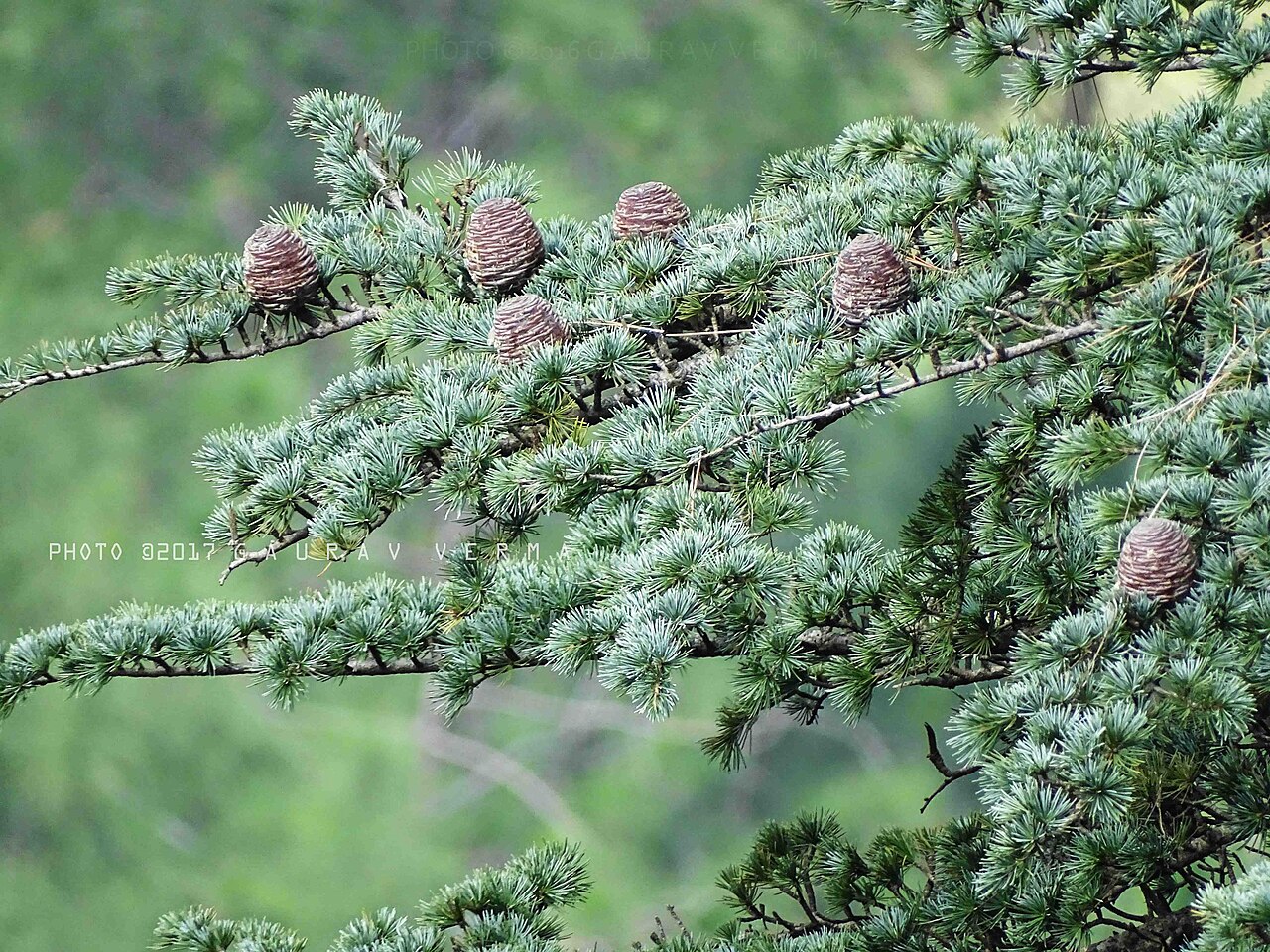
Photo: Gv3101992 · CC BY-SA 4.0 · Wikimedia Commons

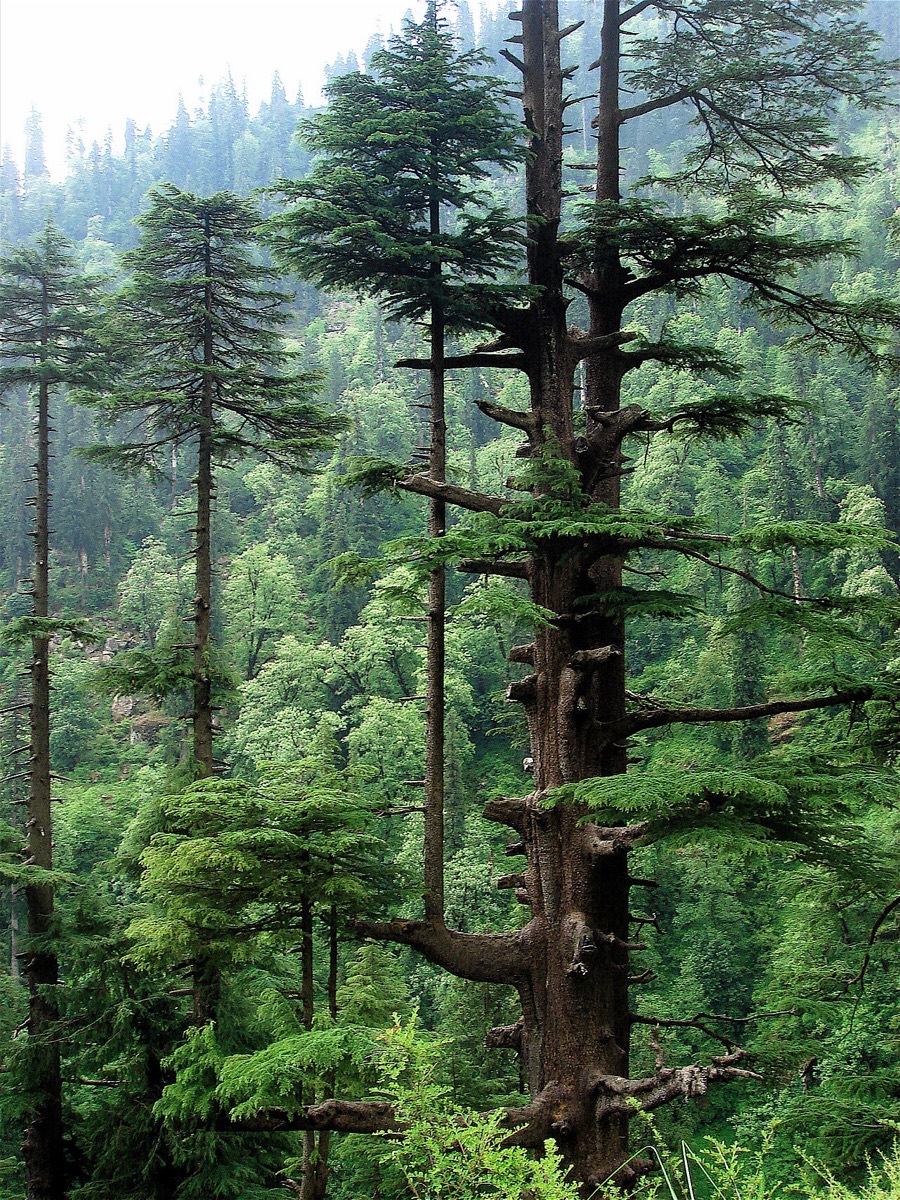
Photo: Paul Evans from London, United Kingdom · CC BY 2.0 · Wikimedia Commons

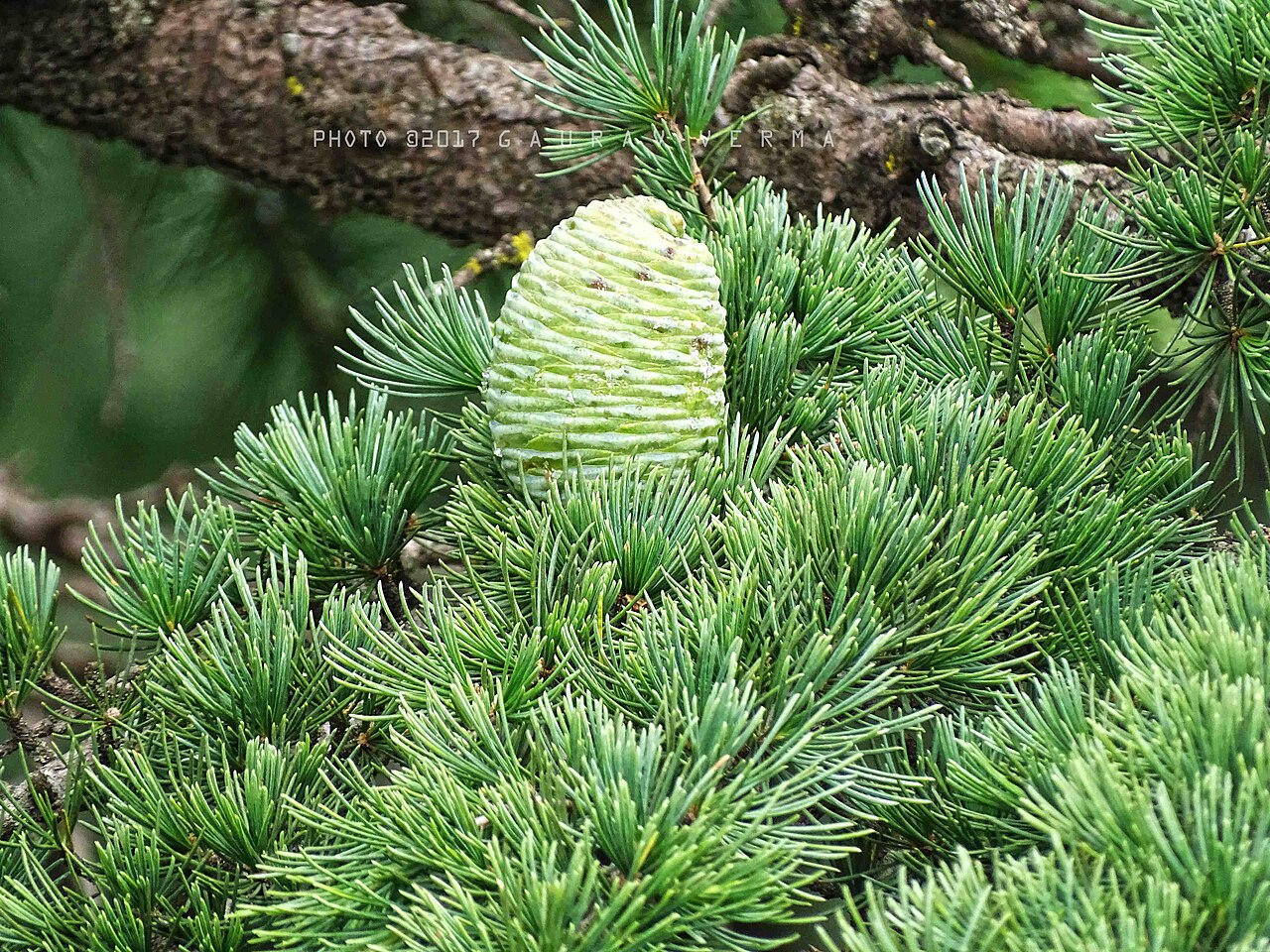
Photo: Gv3101992 · CC BY-SA 4.0 · Wikimedia Commons

Matra and anupana
AS THE CLASSICAL TEXTS AND THE API PRESCRIBE
| Churna | 1–3 g |
| Kwatha | 50–100 ml |
| Anupana | Ushnodaka |
| Kala | Adhobhakta |
The classical shothahara matra.
Reported from Sharangadhara Samhita and the Ayurvedic Pharmacopoeia of India. Laisha states what the texts prescribe; it does not recommend. No quantity here is adjusted for a particular person — not for agni, koshtha, bala, age, pregnancy, kidney or liver function, or anything already being taken.
Pharmacopoeial standard
Ayurvedic Pharmacopoeia of India, Part I
| Marker | Himachalol and the sesquiterpenes |
| Assay | |
| Total ash | |
| Acid-insoluble ash | |
| Alcohol-soluble extractive | |
| Water-soluble extractive | |
| Foreign matter |
Cedrus deodara heartwood. Pinus roxburghii wood is substituted where deodar is scarce.
These are the marker and the identity test for this dravya, and they are not a test Laisha has run on anything. Laisha does not state the numeric limits here: the assay, ash and extractive figures must be read from the current edition of the Ayurvedic Pharmacopoeia of India, because a wrong limit printed here is a number a laboratory would act on. The entries in this library that DO carry figures carry them because each one was checked.
Rasapanchaka
| Rasa | Tikta |
| Guna | LaghuSnigdha |
| Virya | Ushna |
| Vipaka | Katu |
| Prabhava | Named in the texts for shotha and for the vata disorders, and it is one of the standard dravya of the Anuvasanopaga group. |
| Doshakarma | Kaphavatahara. |
Tikta with ushna virya and katu vipaka.
Karma and part used
These are the actions the classical texts record. They are statements about what the tradition holds, and this library does not restate them as findings about a human body.
| Upayukta anga | Kashtha (the heartwood) |
| Why it matters | The heartwood, and the oil distilled from it. The bark is used separately in some regional practice. |
Paryaya
Suradaru and Bhadradaru are the forms Sushruta's ganas use, which is why all three resolve to one dravya in the gana lists.
Names, by language
| English | Himalayan cedar |
| Hindi | Devdar |
| Kannada | Devadari |
| Tamil | Devataram |
| Telugu | Devadaru |
| Malayalam | Devataram |
| Marathi | Devdar |
| Gujarati | Devdar |
| Bengali | Devdaru |
| Odia | Debadaru |
| Urdu | Deodar |
Classical references
Formulations it appears in
| Devadarvadi Kwatha | Named for the dravya. |
| Maharasnadi Kwatha | An ingredient. |
| Dashamularishta | An ingredient. |
Adulterants and substitutes
Pinus roxburghii wood is substituted where deodar is scarce, and the two are difficult to tell apart once chipped. Cedrus deodara is a protected timber species across much of its range, so the medicinal supply competes with a construction market that pays more.
Identity
Cedrus deodara is unambiguous. The related Indian trade name devadar is sometimes applied to Erythroxylum monogynum in the south, which is a wholly different plant.
A WAY TO REMEMBER IT
Cedrus is the classical Latin for a cedar. Deodara is straight from Sanskrit devadaru, the timber of the gods — the botanical name is the Sanskrit name, which is rarer than students expect.
What the tradition holds
Devadaru is named as Suradaru and Bhadradaru across three ganas of the Sushruta Samhita and among the Anuvasanopaga mahakashaya of the Charaka Samhita. That is what the tradition records.
What the evidence says
| Status | Traditional use is long recorded. Modern clinical evidence is limited. |
| Suggested | The dravya holds a pharmacopoeial monograph in India, which records an accepted identity and quality standard for the article. That is a standard for the material, not evidence of an effect in a body. |
| Not established | There is not enough good clinical evidence to establish an effect on any named health condition. Long traditional use is not a substitute for that evidence, and this library does not present it as one. |
| The honest gap | Published work on this dravya rarely records the origin or the standard of the material tested, so results cannot be attributed to a defined article. |
Safety
A wood in long use, both internally and as an oil applied externally. The distilled oil is a concentrated article and is a different thing from the wood. Anyone pregnant, on medication or managing a diagnosed condition should speak to a doctor or a qualified practitioner first.
| Side effects | Skin irritation reported from the undiluted oil applied externally |
| Contraindications | No absolute contraindication is documented here. This is written deliberately rather than left blank. |
| Interactions | No specific drug interaction is documented for this dravya. That is the honest state of the evidence, not a statement that none exists — most Ayurvedic dravya have never been studied for interaction with modern medicines at all. |
| Pregnancy and breastfeeding | Safety in pregnancy has not been established. |
Check this page
Print it and the code still works. It goes to this page and nowhere else.
What this is not
- This is a study and clinical reference for practitioners and students. The matra and anupana it records are what the classical texts and the Ayurvedic Pharmacopoeia of India PRESCRIBE — Laisha reports them, it does not recommend them. They are not a prescription for any particular person, and they are not adjusted for your age, agni, koshtha, bala, pregnancy, kidney or liver function, or anything else you are already taking. Only a qualified practitioner who has examined you can do that.
- Traditional classification is recorded as what the classical texts say, with the text and the place in it named so it can be checked. It is not restated as a finding about a human body.
- Nothing here replaces a qualified Ayurvedic practitioner or a doctor.
Sources
https://api.gbif.org/v1/species/match?name=Cedrus%20deodara
https://pcimh.gov.in/
https://niimh.nic.in/ebooks/ebnighantu/
https://niimh.nic.in/ebooks/esharangadhara/
https://pcimh.gov.in/