Ikshu
इक्षु
Saccharum officinarum L.
Poaceae · Saccharum
Benefits & side effects
TRADITIONAL VIEW, WITH SAFETY LIMITS
Hindi name: Ganna
What the texts say Ikshu does
- Mutrala — diuretic
- Brimhana — nourishing, builds tissue
- Vrishya — aphrodisiac, supports reproductive vigour
- Balya — strengthening
- Dahaprashamana — relieves burning
- Raktapittahara — used in bleeding disorders (raktapitta)
What the evidence says. Traditional use is extensive and long recorded. Modern clinical evidence is limited.
Side effects and limits
- Digestive heaviness
- Loose stool in quantity
- Weight gain with prolonged use
Avoid or ask first: Diabetes, in medicinal quantity.; Conditions of excess kapha, which the texts themselves name.
A traditional classification, not a recommendation. The full safety record is below.
Stands in 2 groups
- Kanthya — Good for the voice and throat (named there as Ikshumula)
- Shramahara — Relieving fatigue
A Samhita can only be read forwards, from the group to its members. This is the same list read backwards.
Photographs
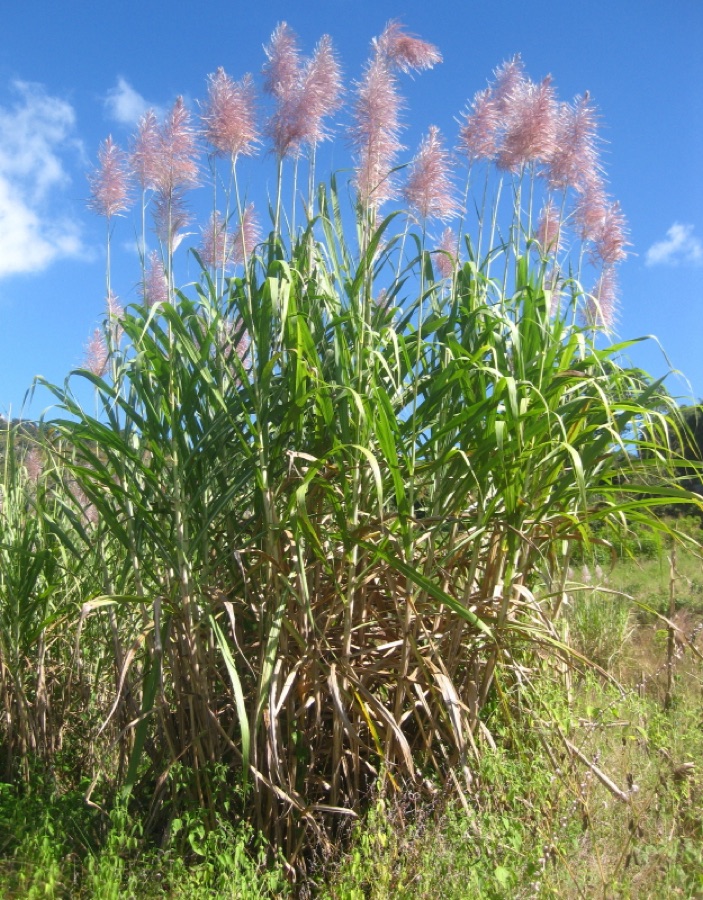
Photo: Ton Rulkens · CC BY-SA 2.0 · Wikimedia Commons

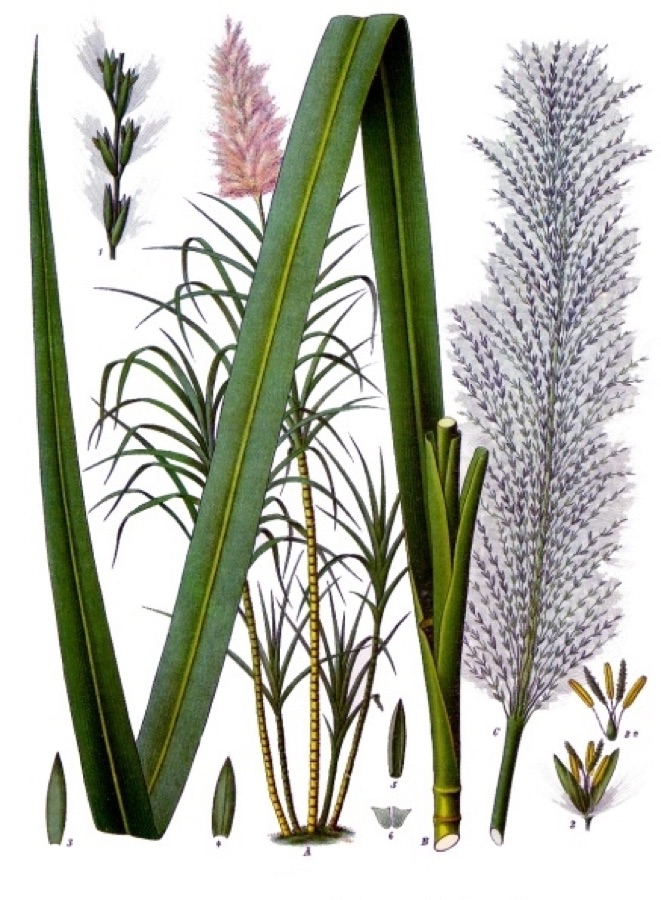
Photo: Franz Eugen Köhler, Köhler's Medizinal-Pflanzen · Public domain · Wikimedia Commons

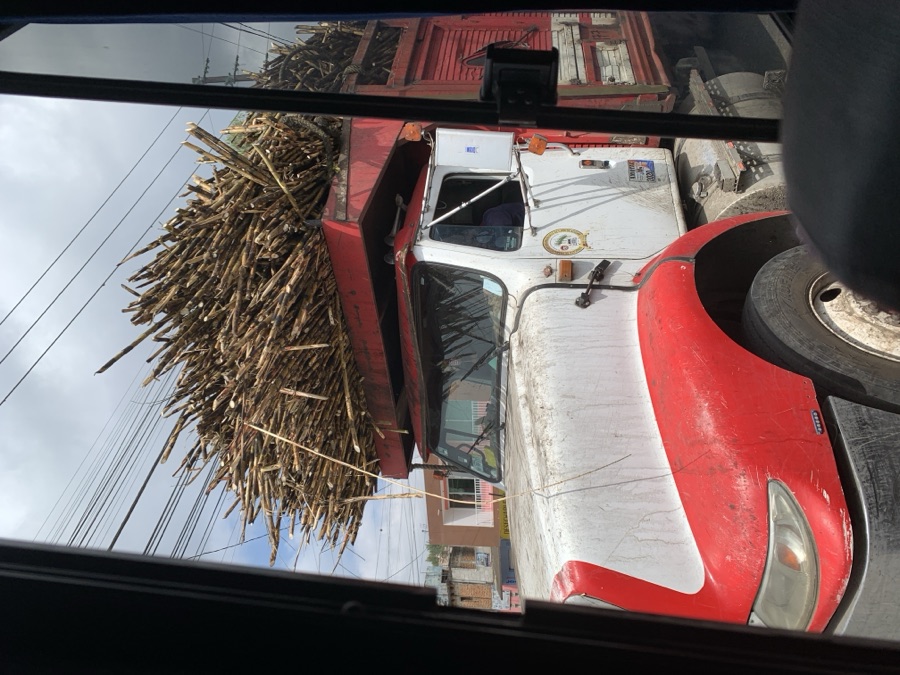
Photo: Koffermejia · CC BY-SA 4.0 · Wikimedia Commons

Matra and anupana
AS THE CLASSICAL TEXTS AND THE API PRESCRIBE
| Swarasa | 50–100 ml |
| Kala | Adhobhakta |
Classical mutrala and pittahara. Directly raises blood glucose.
Reported from Sharangadhara Samhita and the Ayurvedic Pharmacopoeia of India. Laisha states what the texts prescribe; it does not recommend. No quantity here is adjusted for a particular person — not for agni, koshtha, bala, age, pregnancy, kidney or liver function, or anything already being taken.
Rasapanchaka
| Rasa | Madhura |
| Guna | GuruSnigdhaPicchila |
| Virya | Sheeta |
| Vipaka | Madhura |
| Prabhava | The texts treat ikshu rasa as mutrala and as the chief dravya for burning in urination, and name it first among the sweet dravya. |
| Doshakarma | Vatapittahara. Being guru and snigdha it increases kapha. |
A single rasa, madhura, with sheeta virya and madhura vipaka. The standard example of madhura rasa in Dravyaguna teaching.
Karma and part used
These are the actions the classical texts record. They are statements about what the tradition holds, and this library does not restate them as findings about a human body.
| Upayukta anga | Swarasa (the juice) Guda (jaggery) Sharkara (sugar) Phanita (thickened juice) |
| Why it matters | The fresh juice is the dravya of the texts. Guda (jaggery), Sharkara (sugar) and Phanita (thickened juice) are treated as separate articles, with guda described as heavier and sharkara as lighter and more cooling. |
Paryaya
Asipatra, sword-leaved, names the sharp-edged leaf that cuts a careless hand. Madhutrina, honey-grass, names what it is.
Names, by language
| English | Sugarcane |
| Sinhala | Uk gas |
| Nepali | Ukhu |
| Hindi | Ganna |
| Kannada | Kabbu |
| Tamil | Karumbu |
| Telugu | Cheruku |
| Malayalam | Karimb |
| Marathi | Us |
| Gujarati | Sherdi |
| Bengali | Aakh |
| Punjabi | Ganna |
| Odia | Akhu |
| Urdu | Ganna |
Classical references
Rasa, guna, virya, vipaka and karma are recorded as the classical texts give them, with the text and section named so a student can open the book and check. Where an exact chapter and verse could not be confirmed, this library names the section rather than inventing a number.
Formulations it appears in
| Sitopaladi Churna | Sharkara is a principal ingredient and gives the formulation its name. |
| Guda as anupana | Jaggery is used as the vehicle in many formulations. |
| Ikshu Rasa | The fresh juice, used as a dravya. |
Adulterants and substitutes
Commercial jaggery is commonly treated with chemical clarifiers and sometimes bleached, and synthetic colour is added to make it the pale golden shade buyers expect — traditional jaggery is dark. Roadside cane juice is a food-safety problem rather than an adulteration one: it is crushed in machinery that is rarely cleaned, with ice of unknown water, and is a recognised source of infection.
Identity
Matched live against the GBIF backbone on 28 September 2026 at 99 per cent confidence. The texts name many varieties and treat the juice, the jaggery, the sugar and the molasses as separate dravya with different properties — which is an unusually detailed treatment and is examinable.
A WAY TO REMEMBER IT
Saccharum is from the Sanskrit sharkara, through Pali sakkhara and Greek sakkharon — the word sugar itself. Officinarum means of the apothecary's shop.
What the tradition holds
Ikshu heads its own varga in the Bhavaprakasha Nighantu, where each of its products is described separately. That is what the tradition holds and where it is written down, not a finding about what the juice does in a body.
Constituents. The juice is largely sucrose with minerals and polyphenols. Jaggery retains the minerals that refining removes, which is the chemical basis of the tradition treating them as different dravya.
What the evidence says
| Status | Traditional use is extensive and long recorded. Modern clinical evidence is limited. |
| Suggested | Health Canada publishes monographs covering Ayurvedic ingredients and permits specific traditional-use claims, which reflects a regulator accepting a documented tradition rather than a body of clinical trial evidence. |
| Not established | There is not enough good clinical evidence to establish an effect on any named health condition. Long traditional use is not a substitute for that evidence, and this library does not present it as one. |
| The honest gap | Published work concerns sugar as a nutrient rather than the tradition's distinctions between its forms. |
Safety
This is sugar, and that is the whole of the caution. Medicinal quantities are a real consideration for anyone managing diabetes, and the texts themselves say that ikshu and its products increase kapha and are unsuitable where kapha is already excessive. Roadside cane juice carries a genuine infection risk from uncleaned crushers and from ice made with untreated water, and this library says so rather than being polite about it. Anyone on medication, pregnant, or managing a diagnosed condition should speak to a doctor or a qualified practitioner first.
| Side effects | Digestive heaviness Loose stool in quantity Weight gain with prolonged use |
| Contraindications | Diabetes, in medicinal quantity. Conditions of excess kapha, which the texts themselves name. |
| Interactions | No specific drug interaction is documented for this dravya. That is the honest state of the evidence, not a statement that none exists — most Ayurvedic dravya have never been studied for interaction. Tell the prescribing doctor it is being taken. Antidiabetic medicines — sugarcane juice raises blood glucose and directly opposes them. |
| Pregnancy and breastfeeding | Ordinary culinary use is long established. Medicinal quantities in pregnancy or breastfeeding should be discussed with a qualified practitioner first. |
Growing it
| Climate | Tropical and subtropical, needing heat and a great deal of water. |
| Soil | Deep, rich, well-drained ground with reliable irrigation. |
| Planting | Grown from stem setts rather than seed; ratooned for several years from one planting. |
| Harvest | Canes cut at maturity and crushed quickly, because the juice ferments within hours. |
| What is not stated | This library has not verified region-specific spacing, variety and yield figures against a named agricultural authority for every growing country, and does not state them rather than guessing. |
Grown as a crop: how to grow sugarcane, from sowing to harvest, in Laisha's grow guides.
Check this page
Print it and the code still works. It goes to this page and nowhere else.
What this is not
- This is a study and clinical reference for practitioners and students. The matra and anupana it records are what the classical texts and the Ayurvedic Pharmacopoeia of India PRESCRIBE — Laisha reports them, it does not recommend them. They are not a prescription for any particular person, and they are not adjusted for your age, agni, koshtha, bala, pregnancy, kidney or liver function, or anything else you are already taking. Only a qualified practitioner who has examined you can do that.
- Traditional classification is recorded as what the classical texts say, with the text and the place in it named so it can be checked. It is not restated as a finding about a human body.
- Nothing here replaces a qualified Ayurvedic practitioner or a doctor.
Sources
https://api.gbif.org/v1/species/match?name=Saccharum%20officinarum
https://pcimh.gov.in/
https://www.canada.ca/en/health-canada/services/drugs-health-products/natural-non-prescription/applications-submissions/product-licensing/compendium-monographs.html
https://niimh.nic.in/ebooks/esharangadhara/