Jatamansi
जटामांसी
Nardostachys jatamansi (D.Don) DC.
Caprifoliaceae · Nardostachys
Benefits & side effects
TRADITIONAL VIEW, WITH SAFETY LIMITS
Hindi name: Balchhad
What the texts say Jatamansi does
- Medhya — supports intellect and memory
- Nidrajanana — induces sleep
- Balya — strengthening
- Varnya — improves complexion
- Kanthya — good for the throat and voice
- Jwaraghna — used in fever
What the evidence says. Traditional use is extensive and long recorded. Modern clinical evidence is limited.
Side effects and limits
- Drowsiness
- Digestive upset
Avoid or ask first: Pregnancy.
A traditional classification, not a recommendation. The full safety record is below.
Stands in 5 groups
- Udardaprashamana — Allaying urticaria (named there as Nalada)
- Sanjnasthapana — Restoring consciousness (named there as Jatilaa)
- Shukrajanana — Generating semen (named there as Jatila)
- Kandughna — Relieving itching (named there as Nalada)
- Anjanadi — Bleeding, burning, and poison (named there as Nalada)
A Samhita can only be read forwards, from the group to its members. This is the same list read backwards.
Photographs
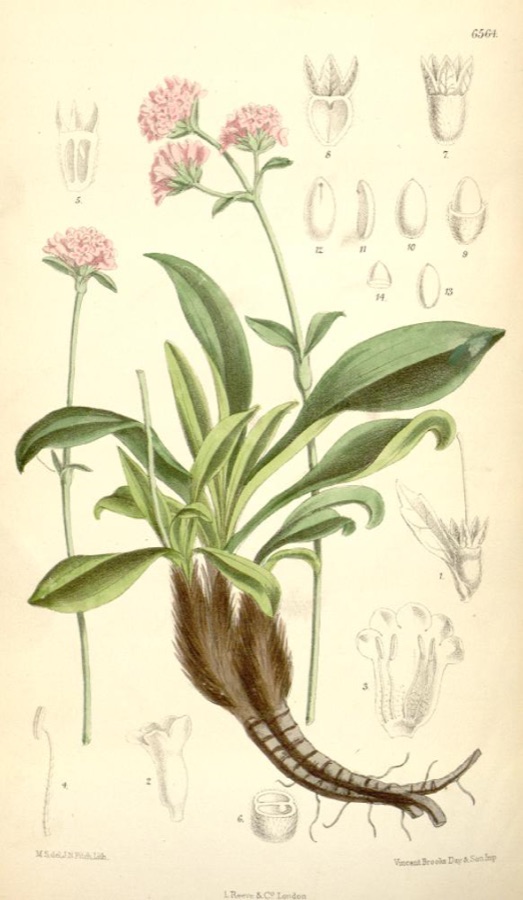
Photo: Joseph Dalton Hooker (1817-1911) · Public domain · Wikimedia Commons

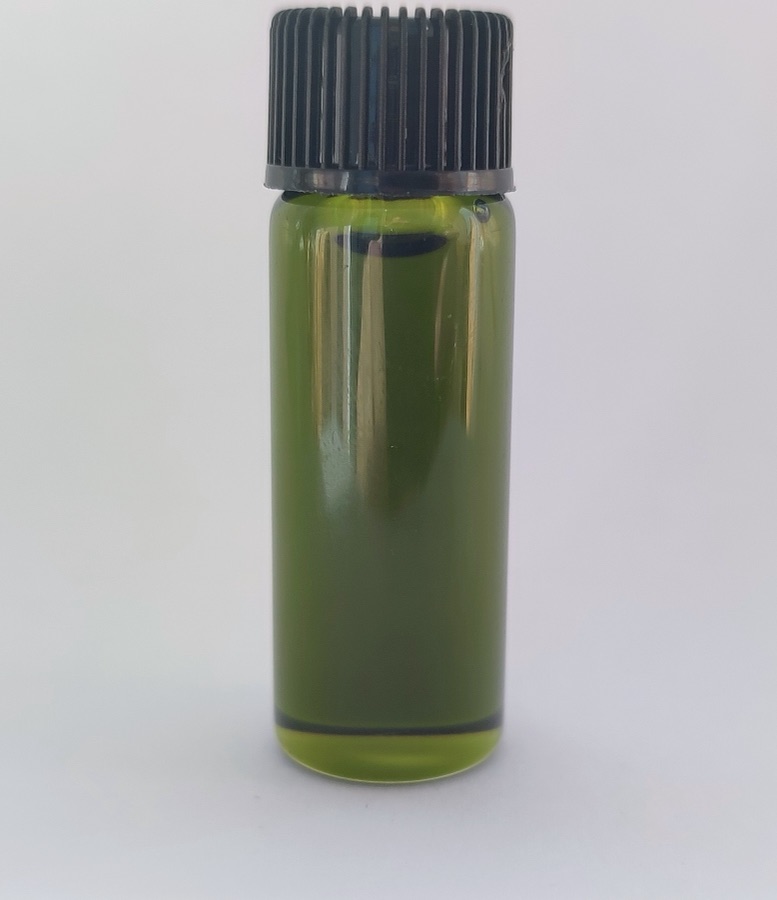
Photo: Plantagenet · CC BY-SA 4.0 · Wikimedia Commons

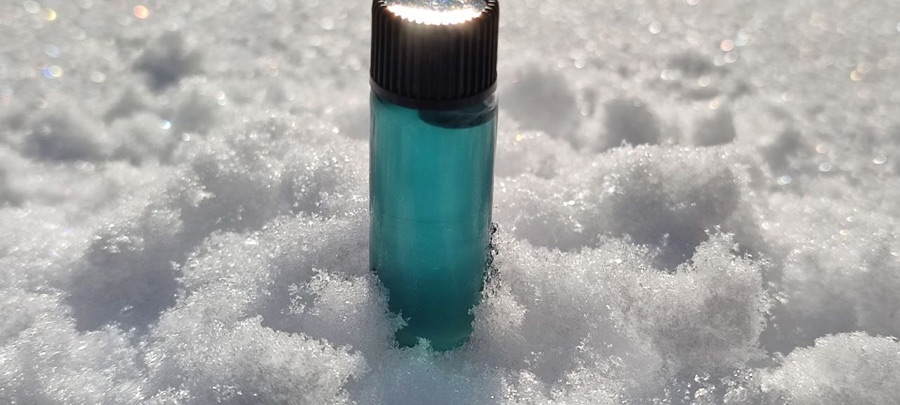
Photo: Plantagenet · CC BY-SA 4.0 · Wikimedia Commons

Matra and anupana
AS THE CLASSICAL TEXTS AND THE API PRESCRIBE
| Churna | 1–3 g |
| Kwatha | 20–40 ml |
| Anupana | Dugdha · Ushnodaka |
| Kala | Ratri, at bedtime |
CITES Appendix II — legality of the source matters as much as the matra.
Reported from Sharangadhara Samhita and the Ayurvedic Pharmacopoeia of India. Laisha states what the texts prescribe; it does not recommend. No quantity here is adjusted for a particular person — not for agni, koshtha, bala, age, pregnancy, kidney or liver function, or anything already being taken.
Pharmacopoeial standard
Ayurvedic Pharmacopoeia of India, Part I
| Marker | Jatamansone, also called valeranone |
| Assay | |
| Total ash | |
| Acid-insoluble ash | |
| Alcohol-soluble extractive | |
| Water-soluble extractive | |
| Foreign matter |
Nardostachys jatamansi is critically endangered and Selinum species are sold in its place. The volatile oil profile distinguishes them.
These are the marker and the identity test for this dravya, and they are not a test Laisha has run on anything. Laisha does not state the numeric limits here: the assay, ash and extractive figures must be read from the current edition of the Ayurvedic Pharmacopoeia of India, because a wrong limit printed here is a number a laboratory would act on. The entries in this library that DO carry figures carry them because each one was checked.
Rasapanchaka
| Rasa | TiktaKashayaMadhura |
| Guna | LaghuSnigdha |
| Virya | Sheeta |
| Vipaka | Katu |
| Prabhava | The texts treat jatamansi as medhya and as bringing sleep, and it is the dravya named most often where the mind is unsettled. |
| Doshakarma | Tridoshahara. |
Tikta, kashaya and madhura with sheeta virya and katu vipaka. The sheeta virya is what the texts rely on for its action on the mind.
Karma and part used
These are the actions the classical texts record. They are statements about what the tradition holds, and this library does not restate them as findings about a human body.
| Upayukta anga | Kanda (the rhizome) |
| Why it matters | The rhizome, covered in a mat of fibrous brown hairs, is the dravya. Those hairs are what the name describes and what identifies it. |
Paryaya
Jata means matted hair, as an ascetic wears it, and mansi means flesh: the rhizome looks like a matted lock. Tapasvini, the ascetic woman, says the same thing again. The name is a complete identification key.
Names, by language
| English | Spikenard |
| Sinhala | Jatamansi |
| Nepali | Jatamasi |
| Hindi | Balchhad |
| Kannada | Jatamavashi |
| Tamil | Jatamanji |
| Telugu | Jatamamsi |
| Malayalam | Jatamanchi |
| Marathi | Jatamansi |
| Gujarati | Jatamansi |
| Bengali | Jatamansi |
| Punjabi | Balchhar |
| Odia | Jatamansi |
| Urdu | Sumbul-ut-teeb |
Classical references
Rasa, guna, virya, vipaka and karma are recorded as the classical texts give them, with the text and section named so a student can open the book and check. Where an exact chapter and verse could not be confirmed, this library names the section rather than inventing a number.
Formulations it appears in
| Manasamitra Vataka | Jatamansi is among the principal dravya. |
| Jatamansi Churna | Named for the dravya. |
| Neelibhringadi Taila | Among the dravya of the formulation. |
Adulterants and substitutes
Selinum vaginatum and Valeriana jatamansi are both sold as jatamansi — the second confusingly carries the same species epithet while belonging to a different genus, and is properly Tagara, a separate dravya. Because jatamansi is scarce and costly, adulteration is routine, and a sample without the characteristic mat of brown fibres is not this plant.
Identity
Matched live against the GBIF backbone on 28 September 2026 at 99 per cent confidence. This is the spikenard of the ancient world, traded west from the Himalaya for millennia. It is on CITES Appendix II, which is set out in the safety section.
A WAY TO REMEMBER IT
Nardostachys is nardos (spikenard) + stachys (a spike). Jatamansi is the Sanskrit name kept whole — jata, matted hair, which is exactly what the rhizome's fibre looks like.
What the tradition holds
Jatamansi is described in the Bhavaprakasha Nighantu and is recorded in the classical literature as medhya. That is what the tradition holds and where it is written down, not a finding about what the rhizome does in a body.
Constituents. The rhizome carries sesquiterpenes including jatamansone and nardostachone, and an essential oil that gives it its distinctive heavy scent.
What the evidence says
| Status | Traditional use is extensive and long recorded. Modern clinical evidence is limited. |
| Suggested | Health Canada publishes monographs covering Ayurvedic ingredients and permits specific traditional-use claims, which reflects a regulator accepting a documented tradition rather than a body of clinical trial evidence. |
| Not established | There is not enough good clinical evidence to establish an effect on any named health condition. Long traditional use is not a substitute for that evidence, and this library does not present it as one. |
| The honest gap | Published work often uses material whose identity is unverified, which given the substitution above is a real limit. |
Safety
Like katuki, the first thing to say about this dravya is where it comes from. Nardostachys jatamansi is listed on CITES Appendix II and is assessed as threatened: it grows slowly in high Himalayan meadows, wild collection has been heavy for centuries, and it does not recover quickly. Buying it without knowing its source may mean taking part in that. On the body: it is calming, so it adds to the effect of sedative medicines, and that matters for anyone driving or taking sleeping medicine. Anyone on medication, pregnant, or managing a diagnosed condition should speak to a doctor or a qualified practitioner first.
| Side effects | Drowsiness Digestive upset |
| Contraindications | Pregnancy. |
| Interactions | Sedatives, benzodiazepines and alcohol — additive sedation. Antihypertensives — additive lowering. |
| Pregnancy and breastfeeding | Not to be used in pregnancy or breastfeeding. |
Growing it
| Climate | Alpine Himalaya, roughly 3000 to 5000 metres. |
| Soil | Rocky alpine meadow ground. |
| Planting | Grown from seed or rhizome division. Slow, and difficult outside its altitude. |
| Harvest | Rhizomes are lifted after several years and dried with the fibrous covering intact. |
| What is not stated | Cultivation exists in Himachal Pradesh, Uttarakhand and Nepal but supplies a small share of demand. Cultivated material should be preferred where it can be had. |
Check this page
Print it and the code still works. It goes to this page and nowhere else.
What this is not
- This is a study and clinical reference for practitioners and students. The matra and anupana it records are what the classical texts and the Ayurvedic Pharmacopoeia of India PRESCRIBE — Laisha reports them, it does not recommend them. They are not a prescription for any particular person, and they are not adjusted for your age, agni, koshtha, bala, pregnancy, kidney or liver function, or anything else you are already taking. Only a qualified practitioner who has examined you can do that.
- Traditional classification is recorded as what the classical texts say, with the text and the place in it named so it can be checked. It is not restated as a finding about a human body.
- Nothing here replaces a qualified Ayurvedic practitioner or a doctor.
Sources
https://api.gbif.org/v1/species/match?name=Nardostachys%20jatamansi
https://pcimh.gov.in/
https://www.canada.ca/en/health-canada/services/drugs-health-products/natural-non-prescription/applications-submissions/product-licensing/compendium-monographs.html
https://niimh.nic.in/ebooks/esharangadhara/
https://pcimh.gov.in/