Jatiphala
जातीफल
Myristica fragrans Houtt.
Myristicaceae · Myristica
Benefits & side effects
TRADITIONAL VIEW, WITH SAFETY LIMITS
Hindi name: Jaiphal
What the texts say Jatiphala does
- Grahi — digestive that absorbs excess fluid and binds the stool
- Deepana — kindles digestion (appetiser)
- Nidrajanana — induces sleep
- Vrishya — aphrodisiac, supports reproductive vigour
- Rochana — improves taste and appetite
- Krimighna — anthelmintic (against worms)
What the evidence says. Traditional use is extensive and long recorded. Modern clinical evidence is limited.
Side effects and limits
- Dry mouth
- Drowsiness
- Digestive upset
Avoid or ask first: Pregnancy, in medicinal quantity.; Use in children in medicinal quantity, other than under a qualified practitioner.
A traditional classification, not a recommendation. The full safety record is below.
Photographs
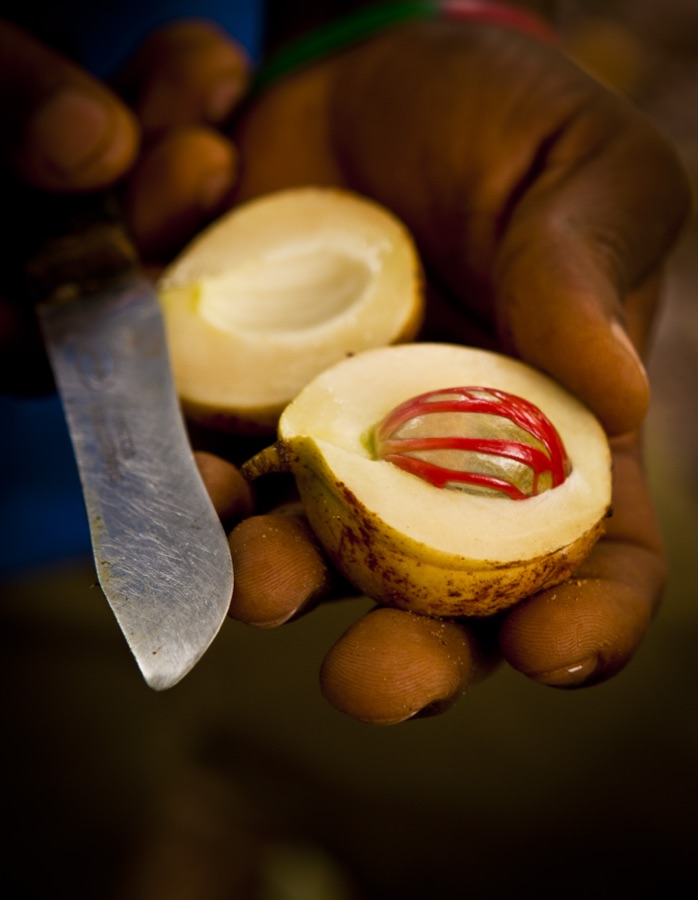
Photo: Terrence Coombes · CC BY-SA 4.0 · Wikimedia Commons

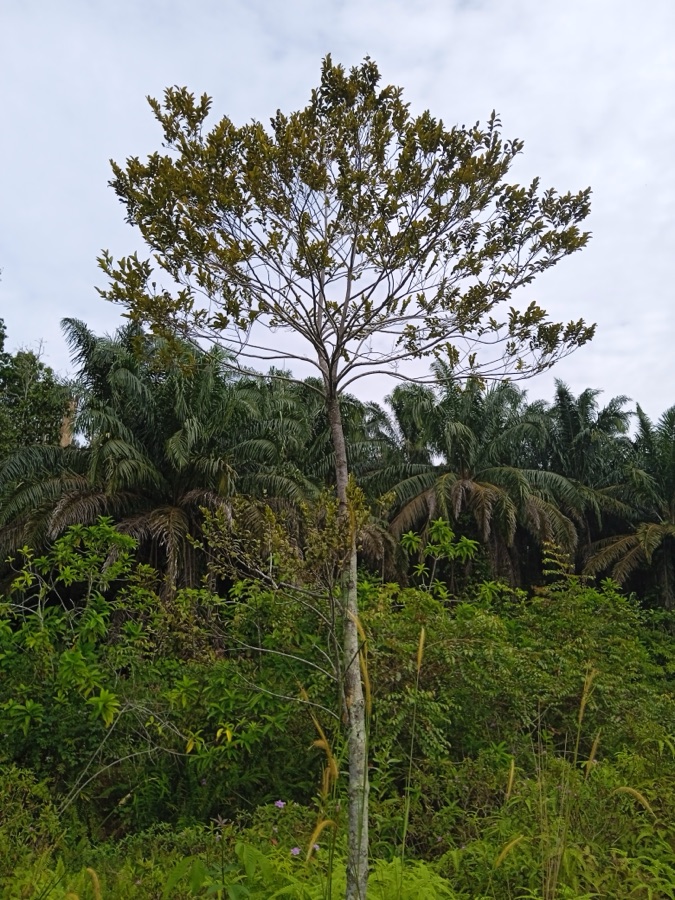
Photo: Wiki Farazi · CC0 · Wikimedia Commons

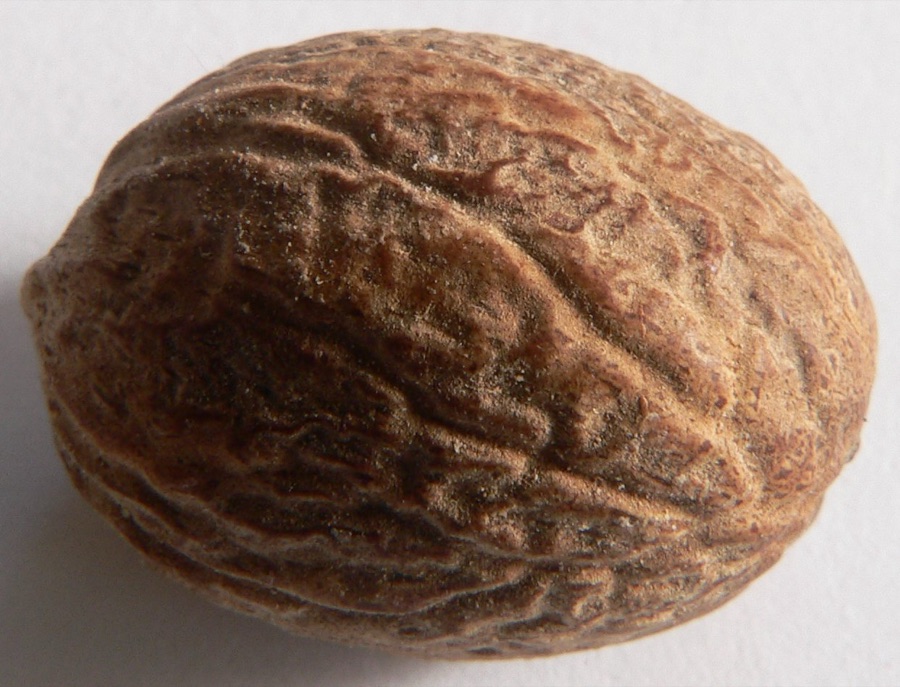
Photo: David Monniaux · CC BY-SA 3.0 · Wikimedia Commons

Matra and anupana
AS THE CLASSICAL TEXTS AND THE API PRESCRIBE
| Churna | 125–500 mg |
| Anupana | Madhu · Ushnodaka |
| Kala | Adhobhakta |
The smallest matra in this library for a culinary spice, and deliberately so — myristicin is psychoactive and toxic at a few grams.
Reported from Sharangadhara Samhita and the Ayurvedic Pharmacopoeia of India. Laisha states what the texts prescribe; it does not recommend. No quantity here is adjusted for a particular person — not for agni, koshtha, bala, age, pregnancy, kidney or liver function, or anything already being taken.
Rasapanchaka
| Rasa | KatuTiktaKashaya |
| Guna | LaghuTikshna |
| Virya | Ushna |
| Vipaka | Katu |
| Prabhava | The texts treat jatiphala as grahi and as nidrajanana, bringing sleep, and the paryaya Madashaunda records the intoxicating property directly. |
| Doshakarma | Kaphavatahara. Being ushna and tikshna it increases pitta. |
Katu, tikta and kashaya with ushna virya and katu vipaka.
Karma and part used
These are the actions the classical texts record. They are statements about what the tradition holds, and this library does not restate them as findings about a human body.
| Upayukta anga | Beeja (the kernel) Jatipatri (the aril), as a separate dravya |
| Why it matters | The kernel is Jatiphala and the aril is Jatipatri. A student is expected to name both from one fruit. |
Paryaya
Madashaunda — that which intoxicates — is the paryaya that matters most, because the tradition named the effect described in the safety section below long before anyone measured it.
Names, by language
| English | Nutmeg |
| Sinhala | Sadikka |
| Nepali | Jaiphal |
| Hindi | Jaiphal |
| Kannada | Jajikai |
| Tamil | Jathikkai |
| Telugu | Jajikaya |
| Malayalam | Jathikka |
| Marathi | Jaiphal |
| Gujarati | Jaiphal |
| Bengali | Jaiphal |
| Punjabi | Jaiphal |
| Odia | Jaiphala |
| Urdu | Jauzbuwa |
Classical references
Rasa, guna, virya, vipaka and karma are recorded as the classical texts give them, with the text and section named so a student can open the book and check. Where an exact chapter and verse could not be confirmed, this library names the section rather than inventing a number.
Formulations it appears in
| Jatiphaladi Churna | Named for the dravya. |
| Chandraprabha Vati | Among the dravya of the formulation. |
| Chyawanprash | Among the dravya of the formulation. |
Adulterants and substitutes
Hollow or worm-eaten nutmegs are sold whole and are hard to judge from the outside; the traditional test is weight, since a sound nutmeg is dense and a spoiled one is light. Ground nutmeg is bulked with shell and with spent kernel. Myristica malabarica, the Bombay nutmeg, is a different species with a longer narrower seed and is substituted openly.
Identity
Matched live against the GBIF backbone on 28 September 2026 at 99 per cent confidence. One tree gives two dravya: the seed kernel is Jatiphala, nutmeg, and the red lacy aril around it is Jatipatri, mace. They have different properties and are not interchangeable.
A WAY TO REMEMBER IT
Myristica is myristikos, fragrant for anointing. Fragrans says it again. Jati-phala means the noble fruit.
What the tradition holds
Jatiphala is described in the Bhavaprakasha Nighantu and is recorded as grahi and as bringing sleep. That is what the tradition holds and where it is written down, not a finding about what the seed does in a body.
Constituents. The kernel carries an essential oil containing myristicin and elemicin, along with fixed oil. Myristicin is the compound behind the effect described below.
What the evidence says
| Status | Traditional use is extensive and long recorded. Modern clinical evidence is limited. |
| Suggested | Health Canada publishes monographs covering Ayurvedic ingredients and permits specific traditional-use claims, which reflects a regulator accepting a documented tradition rather than a body of clinical trial evidence. |
| Not established | There is not enough good clinical evidence to establish an effect on any named health condition. Long traditional use is not a substitute for that evidence, and this library does not present it as one. |
| The honest gap | Published work uses oil or isolated myristicin far more often than the whole spice. |
Safety
At culinary quantity — a grating over a dish — nutmeg has been eaten safely for centuries. In larger amounts it is genuinely dangerous, and this is not a theoretical caution: a quantity of the order of one to two whole nutmegs has produced serious poisoning in reported cases, with confusion, hallucination, racing heart and severe distress lasting a day or more, and deaths are recorded. The tradition already knew this and named the plant Madashaunda for it. Nutmeg is also sometimes taken deliberately for that effect, which is a use this library does not describe and does not assist. Anyone on medication, pregnant, or managing a diagnosed condition should speak to a doctor or a qualified practitioner first.
| Side effects | Dry mouth Drowsiness Digestive upset |
| Contraindications | Pregnancy, in medicinal quantity. Use in children in medicinal quantity, other than under a qualified practitioner. |
| Interactions | Myristicin is psychoactive and toxic in quantity — several grams of nutmeg cause an anticholinergic-like delirium lasting a day or more. The culinary quantity is nowhere near it; the recreational quantity is. Sedatives, anticholinergics and psychotropics — additive effects at any material quantity. |
| Pregnancy and breastfeeding | Not to be used in medicinal quantity in pregnancy or breastfeeding. Ordinary culinary use is long established. |
Growing it
| Climate | Wet equatorial tropical; grown in India chiefly in Kerala and the southern hills. |
| Soil | Deep, rich, well-drained ground with high humidity. |
| Planting | A tree, raised from seed. Trees are male or female and only the female bears, which is not known until flowering. |
| Harvest | Fruit is collected when it splits on the tree. The aril is peeled off and dried separately from the kernel. |
| What is not stated | This library has not verified region-specific spacing, variety and yield figures against a named agricultural authority for every growing country, and does not state them rather than guessing. |
Grown as a crop: how to grow nutmeg, from sowing to harvest, in Laisha's grow guides.
Check this page
Print it and the code still works. It goes to this page and nowhere else.
What this is not
- This is a study and clinical reference for practitioners and students. The matra and anupana it records are what the classical texts and the Ayurvedic Pharmacopoeia of India PRESCRIBE — Laisha reports them, it does not recommend them. They are not a prescription for any particular person, and they are not adjusted for your age, agni, koshtha, bala, pregnancy, kidney or liver function, or anything else you are already taking. Only a qualified practitioner who has examined you can do that.
- Traditional classification is recorded as what the classical texts say, with the text and the place in it named so it can be checked. It is not restated as a finding about a human body.
- Nothing here replaces a qualified Ayurvedic practitioner or a doctor.
Sources
https://api.gbif.org/v1/species/match?name=Myristica%20fragrans%20Houtt.
https://pcimh.gov.in/
https://www.canada.ca/en/health-canada/services/drugs-health-products/natural-non-prescription/applications-submissions/product-licensing/compendium-monographs.html
https://niimh.nic.in/ebooks/esharangadhara/