Kadamba
कदम्ब
Neolamarckia cadamba (Roxb.) Bosser
Rubiaceae · Neolamarckia
Benefits & side effects
TRADITIONAL VIEW, WITH SAFETY LIMITS
What the texts say Kadamba does
- Grahi — digestive that absorbs excess fluid and binds the stool
- Stambhana — astringent, checks discharge
- Vranaropana — heals wounds
- Dahaprashamana — relieves burning
- Stanyajanana — promotes breast milk
- Jwaraghna — used in fever
What the evidence says. Traditional use is extensive and long recorded. Modern clinical evidence is limited.
Side effects and limits
- Constipation from the tannins
- Digestive upset
Avoid or ask first: Pregnancy.
A traditional classification, not a recommendation. The full safety record is below.
Stands in 5 groups
- Vedanasthapana — Arresting pain
- Shukrashodhana — Purifying semen
- Vamanopaga — Adjuvant to emesis (named there as Nipa)
- Rodhradi — Kapha, fat, and the complexion
- Nyagrodhadi — Wounds, burns, Pitta, and Prameha
A Samhita can only be read forwards, from the group to its members. This is the same list read backwards.
Photographs
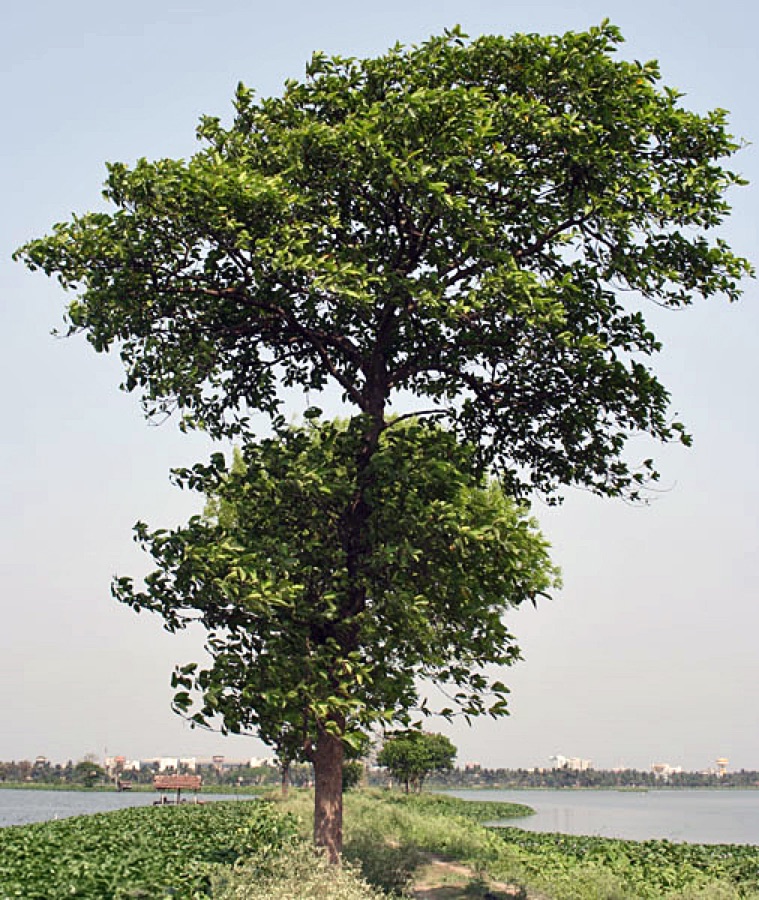
Photo: J.M.Garg · CC BY-SA 3.0 · Wikimedia Commons

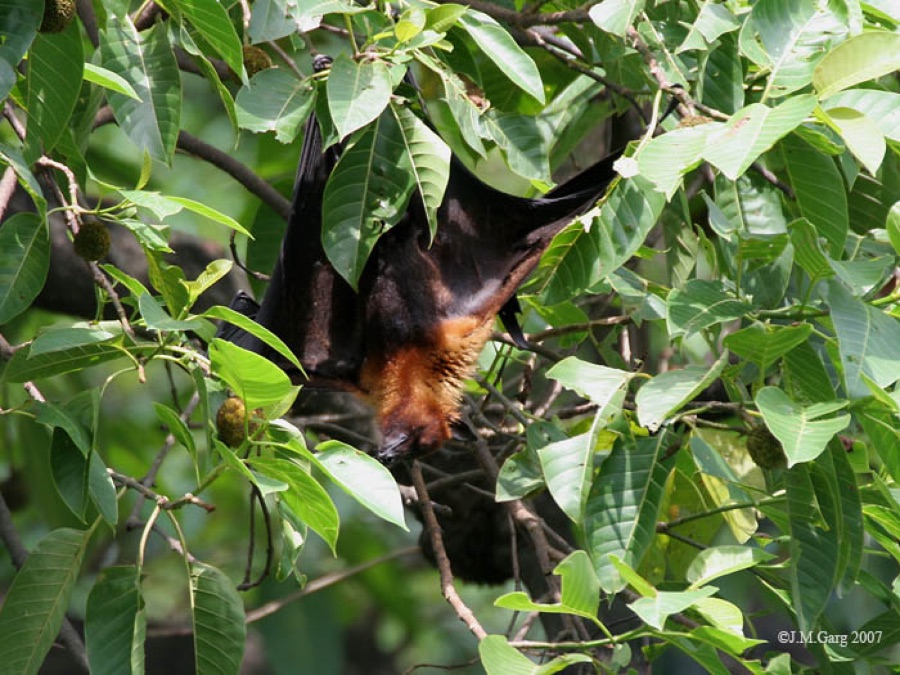
Photo: J.M.Garg · CC BY-SA 3.0 · Wikimedia Commons


Photo: Prime Minister's Office · GODL-India · Wikimedia Commons

Matra and anupana
AS THE CLASSICAL TEXTS AND THE API PRESCRIBE
| Twak kwatha | 50–100 ml |
| Churna | 3–6 g |
| Anupana | Ushnodaka |
| Kala | Adhobhakta |
Chiefly used as a kashaya in stambhana.
Reported from Sharangadhara Samhita and the Ayurvedic Pharmacopoeia of India. Laisha states what the texts prescribe; it does not recommend. No quantity here is adjusted for a particular person — not for agni, koshtha, bala, age, pregnancy, kidney or liver function, or anything already being taken.
Rasapanchaka
| Rasa | KashayaTiktaMadhura |
| Guna | GuruRuksha |
| Virya | Sheeta |
| Vipaka | Katu |
| Prabhava | The texts treat kadamba as grahi and stambhana, and name it where there is discharge and where the bowel is loose. |
| Doshakarma | Kaphapittahara. Being guru and ruksha it increases vata. |
Kashaya and tikta with madhura, sheeta virya and katu vipaka.
Karma and part used
These are the actions the classical texts record. They are statements about what the tradition holds, and this library does not restate them as findings about a human body.
| Upayukta anga | Twak (the stem bark) Phala (the fruit) Patra (the leaf) Mula (the root) |
| Why it matters | The bark is the dravya. The spherical orange flower head is the identification and is unmistakable. |
Paryaya
Vrittapushpa, round-flowered, names the ball of flowers that no other Indian tree produces. Halipriya, dear to the plough, records that it was planted at field edges.
Names, by language
| English | Burflower tree |
| Sinhala | Bakmi |
| Nepali | Kadam |
| Hindi | Kadam |
| Kannada | Kadavala |
| Tamil | Vellai kadambu |
| Telugu | Kadamba |
| Malayalam | Kadambu |
| Marathi | Kadamb |
| Gujarati | Kadamb |
| Bengali | Kadam |
| Punjabi | Kadam |
| Odia | Kadamba |
| Urdu | Kadamb |
Classical references
Rasa, guna, virya, vipaka and karma are recorded as the classical texts give them, with the text and section named so a student can open the book and check. Where an exact chapter and verse could not be confirmed, this library names the section rather than inventing a number.
Formulations it appears in
| Kadambadi Kwatha | Named for the dravya. |
| Nyagrodhadi Kwatha | Kadamba appears in some recensions. |
| Kadamba Twak Churna | Named for the bark. |
Adulterants and substitutes
Mitragyna parvifolia is called Kadamba in parts of India and is a different genus of the same family; Haldina cordifolia is also traded under the name. The three are used somewhat interchangeably, and because all are Rubiaceae with astringent barks, a dried sample does not separate them.
Identity
Matched live against the GBIF backbone on 28 September 2026 at 99 per cent confidence. Anthocephalus cadamba and Anthocephalus chinensis are synonyms and are the names most Ayurvedic literature uses. The tree of Krishna's Vrindavan, and the state tree of Madhya Pradesh.
A WAY TO REMEMBER IT
Neolamarckia is the new Lamarckia, honouring Lamarck. Cadamba is the Sanskrit name kept as the epithet.
What the tradition holds
Kadamba is described in the Bhavaprakasha Nighantu and is named in the classical literature as grahi. That is what the tradition holds and where it is written down, not a finding about what the bark does in a body.
Constituents. The bark carries indole alkaloids including cadambine, along with tannins and saponins.
What the evidence says
| Status | Traditional use is extensive and long recorded. Modern clinical evidence is limited. |
| Suggested | Health Canada publishes monographs covering Ayurvedic ingredients and permits specific traditional-use claims, which reflects a regulator accepting a documented tradition rather than a body of clinical trial evidence. |
| Not established | There is not enough good clinical evidence to establish an effect on any named health condition. Long traditional use is not a substitute for that evidence, and this library does not present it as one. |
| The honest gap | Published work on this dravya is sparse and rarely confirms the species against the two commonly substituted for it. |
Safety
No serious harm is documented for this dravya at traditional use, which is a statement about the absence of records and not a guarantee. It is a Rubiaceae carrying indole alkaloids, and one of the trees substituted for it, Mitragyna, is the genus that includes kratom — so a student should know that the name covers plants whose pharmacology is not equivalent. It is tannin-rich and constipating in quantity. Anyone on medication, pregnant, or managing a diagnosed condition should speak to a doctor or a qualified practitioner first.
| Side effects | Constipation from the tannins Digestive upset |
| Contraindications | Pregnancy. |
| Interactions | No specific drug interaction is documented for this dravya. That is the honest state of the evidence, not a statement that none exists — most Ayurvedic dravya have never been studied for interaction. Tell the prescribing doctor it is being taken. Iron supplements and any oral drug — tannins bind them and reduce absorption. Separate by two hours. |
| Pregnancy and breastfeeding | Not to be used in pregnancy without a qualified practitioner. There is not enough evidence to establish safety in breastfeeding. |
Growing it
| Climate | Tropical, in moist forest and along watercourses; very fast-growing. |
| Soil | Deep, moist, well-drained ground. |
| Planting | A large tree, raised from seed. Among the fastest-growing hardwoods in India. |
| Harvest | Bark taken in strips from part of the trunk so the tree survives. |
| What is not stated | This library has not verified region-specific spacing, variety and yield figures against a named agricultural authority for every growing country, and does not state them rather than guessing. |
Check this page
Print it and the code still works. It goes to this page and nowhere else.
What this is not
- This is a study and clinical reference for practitioners and students. The matra and anupana it records are what the classical texts and the Ayurvedic Pharmacopoeia of India PRESCRIBE — Laisha reports them, it does not recommend them. They are not a prescription for any particular person, and they are not adjusted for your age, agni, koshtha, bala, pregnancy, kidney or liver function, or anything else you are already taking. Only a qualified practitioner who has examined you can do that.
- Traditional classification is recorded as what the classical texts say, with the text and the place in it named so it can be checked. It is not restated as a finding about a human body.
- Nothing here replaces a qualified Ayurvedic practitioner or a doctor.
Sources
https://api.gbif.org/v1/species/match?name=Neolamarckia%20cadamba
https://pcimh.gov.in/
https://www.canada.ca/en/health-canada/services/drugs-health-products/natural-non-prescription/applications-submissions/product-licensing/compendium-monographs.html
https://niimh.nic.in/ebooks/esharangadhara/