Kumari
कुमारी
Aloe vera (L.) Burm.f.
Asphodelaceae · Aloe
Benefits & side effects
TRADITIONAL VIEW, WITH SAFETY LIMITS
Hindi name: Gwarpatha
What the texts say Kumari does
- Bhedana — breaks up hard, bound stool and expels it (purgative)
- Rasayana — rejuvenative
- Chakshushya — good for the eyes
- Vrishya — aphrodisiac, supports reproductive vigour
- Shothahara — reduces swelling
What the evidence says. Modest for topical gel; limited for oral use; and one serious warning that outweighs both.
Side effects and limits
- Abdominal pain, from oral aloe latex
- Cramps, from oral aloe latex
- Diarrhoea, from oral aloe latex
Avoid or ask first: Do not take aloe latex by mouth.; Treat any whole-leaf oral product with caution, given the IARC classification.; Children under 12 — contraindicated for aloe laxative preparations under the EMA monograph.
A traditional classification, not a recommendation. The full safety record is below.
Photographs
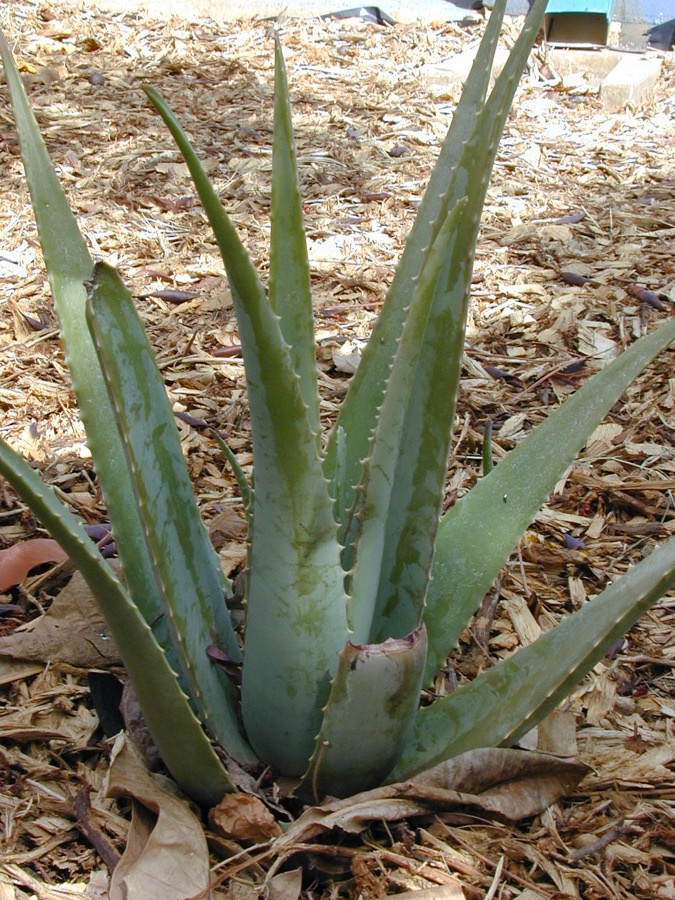
Photo: Forest & Kim Starr · CC BY 3.0 · Wikimedia Commons

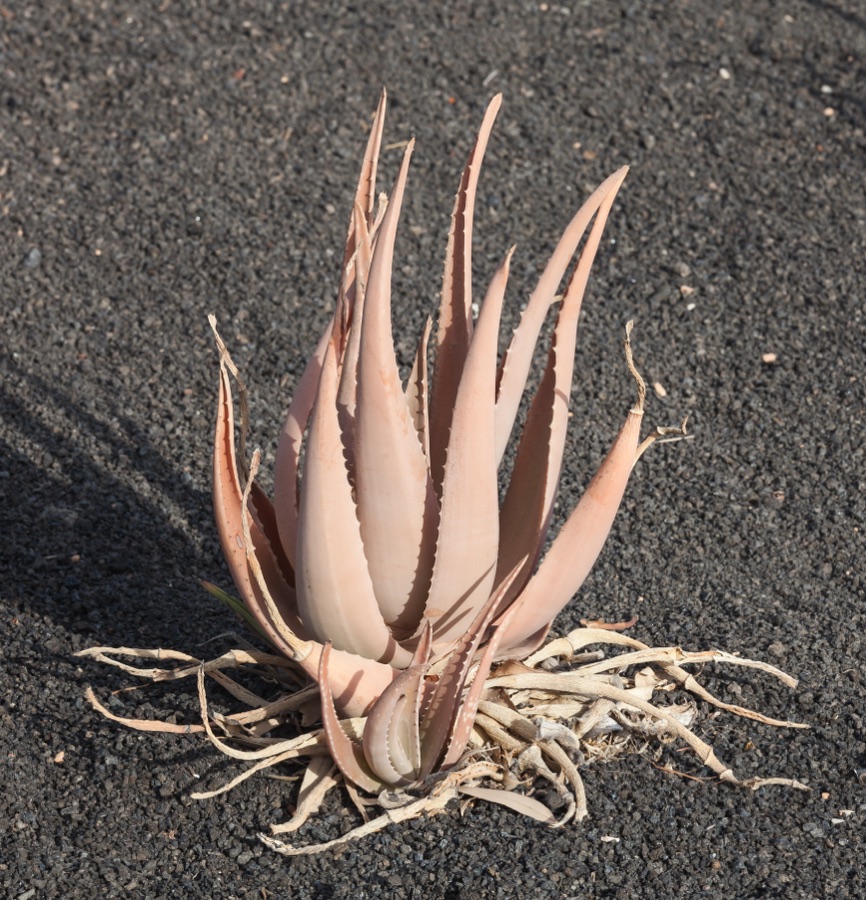
Photo: Luis Miguel Bugallo Sánchez (Lmbuga) · CC BY-SA 3.0 · Wikimedia Commons

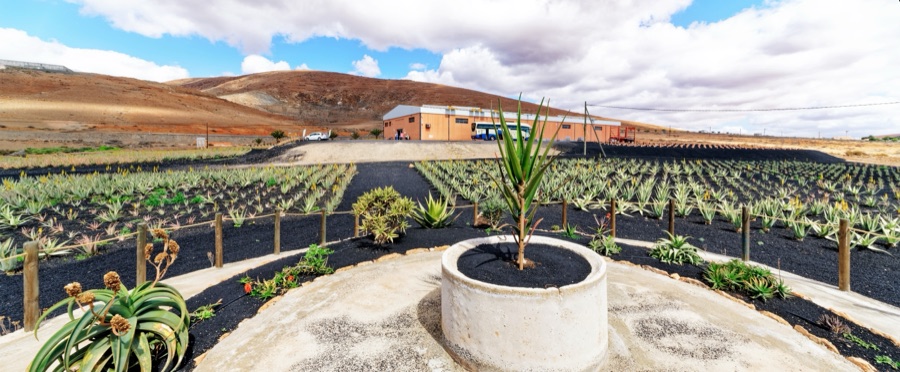
Photo: Holger Uwe Schmitt · CC BY-SA 4.0 · Wikimedia Commons

Matra and anupana
AS THE CLASSICAL TEXTS AND THE API PRESCRIBE
| Swarasa | 10–20 ml |
| Ghana (saara) | 125–500 mg |
| Anupana | Ushnodaka |
| Kala | Pragbhakta |
The dried latex (ghana) and the fresh gel are different drugs with a tenfold difference in strength. The latex is the anthraquinone-bearing, laxative, EU-restricted one.
Reported from Sharangadhara Samhita and the Ayurvedic Pharmacopoeia of India. Laisha states what the texts prescribe; it does not recommend. No quantity here is adjusted for a particular person — not for agni, koshtha, bala, age, pregnancy, kidney or liver function, or anything already being taken.
Rasapanchaka
| Rasa | TiktaMadhura |
| Guna | GuruSnigdhaPicchila |
| Virya | Sheeta |
| Vipaka | Katu |
| Prabhava | The texts place kumari among the bhedana dravya and describe a rasayana action. |
| Doshakarma | Tridoshahara, and particularly pittahara. Being guru and picchila it can increase kapha. |
Tikta with madhura. The katu vipaka with sheeta virya is what the texts credit for its action on pitta.
Karma and part used
These are the actions the classical texts record. They are statements about what the tradition holds, and this library does not restate them as findings about a human body.
| Upayukta anga | Patra swarasa (the leaf gel) Ghrita kumari sara (the dried leaf exudate) |
| Why it matters | These two come from the same leaf and are not remotely the same material. The gel is the clear inner flesh. The latex is the bitter yellow layer just under the skin. Whole-leaf products contain both. Almost every serious safety concern on this page belongs to the latex and to whole-leaf extract — not to the gel. |
Paryaya
Kumari means a young girl, and Kanya the same. The texts read the name as describing the plant's association with youth; Sthuladala simply describes the thick leaf.
Names, by language
| English | Aloe |
| Sinhala | Komarika |
| Nepali | Ghiukumari |
| Arabic | Sabr |
| Hindi | Gwarpatha |
| Kannada | Lolesara |
| Tamil | Kattralai |
| Telugu | Kalabanda |
| Malayalam | Kattarvazha |
| Marathi | Korphad |
| Gujarati | Kunwar |
| Bengali | Ghritakumari |
| Punjabi | Kowarganda |
| Odia | Musabbar |
| Urdu | Gheekwar |
Classical references
Rasa, guna, virya, vipaka and karma are recorded as the classical texts give them, with the text and section named so a student can open the book and check. Where an exact chapter and verse could not be confirmed, this library names the section rather than inventing a number.
Formulations it appears in
| Kumaryasava | A fermented preparation named for the dravya. |
| Rajahpravartini Vati | Kumari is among the principal dravya. |
Adulterants and substitutes
The distinction that matters here is not between species but between two quite different articles from one leaf: the clear inner gel and the bitter yellow latex just under the skin. They are not the same material, they do not behave the same way, and a preparation made without separating them contains both. Several Aloe species are also collected and sold interchangeably, and dried exudate from any of them looks alike.
Identity
Matched to the accepted name in the GBIF backbone at 97% confidence. Products are also sold under Aloe barbadensis, Aloe africana and Aloe arborescens — the first is an older name for the same plant, the others are different species.
A WAY TO REMEMBER IT
Aloe is from Arabic alloeh, a bitter shining substance. Vera means true, distinguishing it from the many other aloes. Kumari means young girl.
What the tradition holds
Aloe appears in Ayurveda as kumari, and splitting a leaf to put the gel on a burn or a scrape is one of the most widespread household practices there is. That is what the tradition holds and what households do; neither is a finding about what the plant does in a body.
What the evidence says
| Status | Modest for topical gel; limited for oral use; and one serious warning that outweighs both. |
| Suggested | NCCIH reports that topical application of aloe gel, in combination with other forms of treatment, may improve acne. For burns, it reports that topical aloe gel may speed how quickly a burn closes, and may reduce the pain that comes with one. For oral use, limited data supports weight management and blood sugar control, described as modest. |
| Not established | Nothing here is established beyond those modest findings, and the oral evidence is the weaker of the two. |
| The honest gap | The topical findings are about the gel. They say nothing about swallowing a latex or whole-leaf product, and it would be a serious error to read the burn finding as a reason to drink aloe. |
Safety
Aloe gel on skin is the mild end of this plant. Aloe latex taken by mouth causes abdominal pain, cramps and diarrhoea, and the FDA removed it from over-the-counter laxatives in 2002 for want of safety data. Whole leaf extract is classified by IARC as a possible carcinogen. Anyone taking digoxin or another cardiac glycoside should treat aloe latex as a real interaction, not a theoretical one.
| Side effects | Abdominal pain, from oral aloe latex Cramps, from oral aloe latex Diarrhoea, from oral aloe latex |
| Contraindications | Do not take aloe latex by mouth. Treat any whole-leaf oral product with caution, given the IARC classification. Children under 12 — contraindicated for aloe laxative preparations under the EMA monograph. |
| Interactions | Digoxin — the anthraquinones in the dried latex are a stimulant laxative, and the potassium loss they cause sensitises the myocardium to digoxin. Diuretics and corticosteroids — additive potassium loss. Antidiabetic medicines — the gel has a reported hypoglycaemic effect. This applies to the LATEX, not the inner gel. EU Regulation 2021/468 bans hydroxyanthracene derivatives from food supplements for this reason. |
| Pregnancy and breastfeeding | Laisha holds no sourced position from NCCIH on aloe in pregnancy or breastfeeding and offers none. Given that the latex is a strong laxative and whole leaf extract carries an IARC classification, this is a question for a doctor rather than for a page. |
Growing it
| Climate | A succulent of hot, dry regions. It survives drought and dies in wet feet — the commonest way a household aloe is lost is overwatering, not neglect. |
| Soil | Sharp-draining, gritty, low in organic matter. A cactus or succulent mix, or ordinary soil opened up with sand or grit. |
| Planting | Usually grown from offsets — the small pups that form around the base of a mature plant — rather than from seed. Detach a pup with some root and pot it separately. |
| Harvest | Outer leaves are cut at the base, oldest first. Cutting the centre stops the plant growing. |
| What is not stated | Laisha holds no sourced per-hectare yield, gel recovery rate or cost figure for commercial aloe, and none is offered. |
Grown as a crop: how to grow aloe vera, from sowing to harvest, in Laisha's grow guides.
Check this page
Print it and the code still works. It goes to this page and nowhere else.
What this is not
- No dose is given, here or anywhere in this library.
- Nothing here is a recommendation to take aloe internally. The evidence that exists is mostly about gel on skin.
- Where a finding concerns the gel and a risk concerns the latex or the whole leaf, this entry says which — because a label often will not.
Sources
https://www.nccih.nih.gov/health/aloe-vera
https://api.gbif.org/v1/species/match?name=Aloe%20vera
https://www.ema.europa.eu/en/medicines/herbal/aloes-folii-succus-siccatus
https://pcimh.gov.in/
https://niimh.nic.in/ebooks/esharangadhara/