Aloe vera · Also called: Aloe, Barbados aloe, Ghrit kumari, Gwar patha, Kumari, Sábila, Aloès, True aloe
Photo: Nikodem Nijaki, CC BY-SA 3.0 (Wikimedia Commons)
Aloe is a genuine option for hot dry land that will not carry much else. It stores its own water, it asks for very little, it starts paying in its second year and then goes on for four or five years from the same planting, and the same plant supplies its own free replacements. Where there is a real processor within reach, it is a good crop. That last condition is the whole of the matter and it is why this guide says it twice. Aloe leaf is heavy, mostly water, and worth little by the kilogram, so it cannot travel far to find a buyer. It has also been sold to farmers in several countries as a guaranteed-income scheme, with promises to buy back the crop that were not kept. Plant it because you have found a buyer, not because somebody offered you one.
Growing Aloe vera, Stage by Stage
1. Get the land ready — Dry, sandy, sloping, well-drained ground in full sun.
2. Take and plant the suckers — Pull the young plants from around an established one. That is your planting material.
3. Weed, water and feed — Weeding matters. Watering mostly does not.
4. Watch for trouble — Rot from wet feet, and small insects hiding deep in the rosette.
5. Harvest the outer leaves — Take the three or four lowest leaves. Never strip the plant.
6. Keep the leaf fresh and get it to the buyer — It is heavy, it is mostly water, and the clock starts when you cut it.
7. Renew the planting and sell the spare offsets — After four or five years, start again — with plants the field gave you.
Common Problems & Troubleshooting
If you see: A field of good aloe and nobody within reach who will actually buy it.
It likely means: The crop was planted on a promise rather than on a contract. This has happened to a great many aloe growers and it is the commonest way money is lost on this crop.
Do this: Find the processor, visit them, and confirm they are buying before you plant anything.
If you see: Plants going soft, brown and foul-smelling at the base, often in patches after rain.
It likely means: Rot following waterlogging. This plant stores its own water and cannot cope with wet soil around its base.
Do this: Plant on ridges or raised beds wherever drainage is at all doubtful.
If you see: A processor rejecting or discounting the gel for being yellow, bitter or discoloured.
It likely means: The bitter yellow juice from under the skin got into the gel, almost always because the cut leaves were not stood up and drained.
Do this: Stand cut leaves on end, cut side down, for a few hours so the yellow juice runs out.
If you see: Plants with thin, flat, pale leaves holding very little gel.
It likely means: Too much shade, too much crowding, or plants exhausted by being cut too hard.
Do this: Grow in full sun, since shaded plants make thin leaves.
If you see: Rough warty swollen growths and badly distorted leaves, often at the centre of the plant.
It likely means: Aloe mite. It is very small, it lives inside the tissue it distorts, and the damage it causes is permanent.
Do this: Cut out and burn affected leaves, and remove whole plants where it is bad.
If you see: Leaves arriving at the processor bruised, leaking or already going soft.
It likely means: Piled too deep, carried too warm, or cut too long before the journey.
Do this: Pack the leaves flat in layers rather than tipping them into a heap.
Yield & Market Value
Growing the crop is only part of the job. The last part is knowing what a normal harvest looks like where you are, and knowing what your aloe is worth before you agree a price with anybody.
Remember It This Way
If you forget every other page of this guide, keep these lines. They are the whole crop, in order, short enough to carry in your head.
Find the buyer first. Visit them. Then plant.
Be careful of anyone who sells plants and promises to buy back.
Plant offsets, not seed. The plant makes its own for free.
Let the cut offset dry two or three days before planting.
Plant shallow, on a ridge, in full sun.
Wet feet kill it. Drought does not.
Cut three or four outer leaves. Never touch the centre.
Stand the cut leaves on end and let the yellow juice run out.
Clear jelly is the product. Yellow juice is not.
Deliver within a day or two. The clock starts at the knife.
Test Yourself: Identification
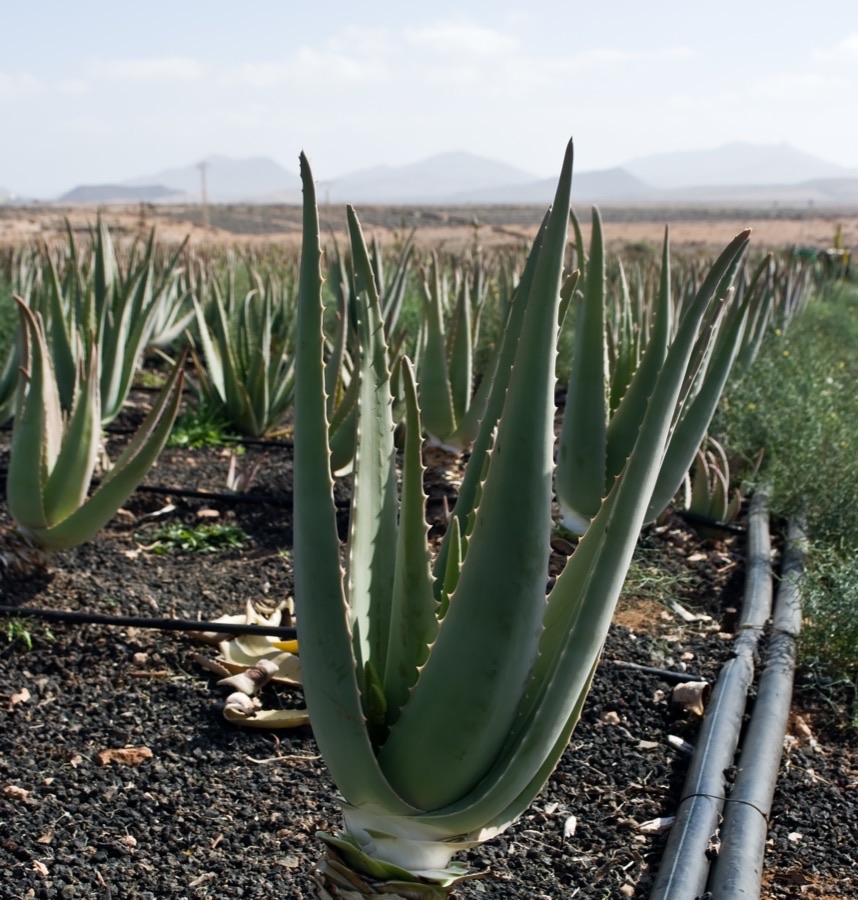
What does the crop look like planted out?
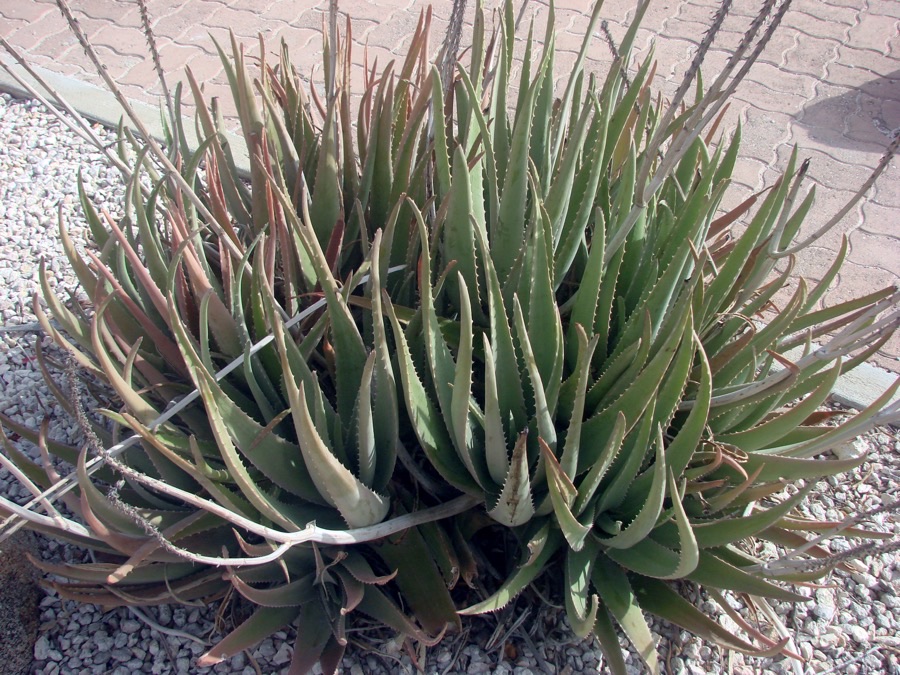
Where does new planting material come from?
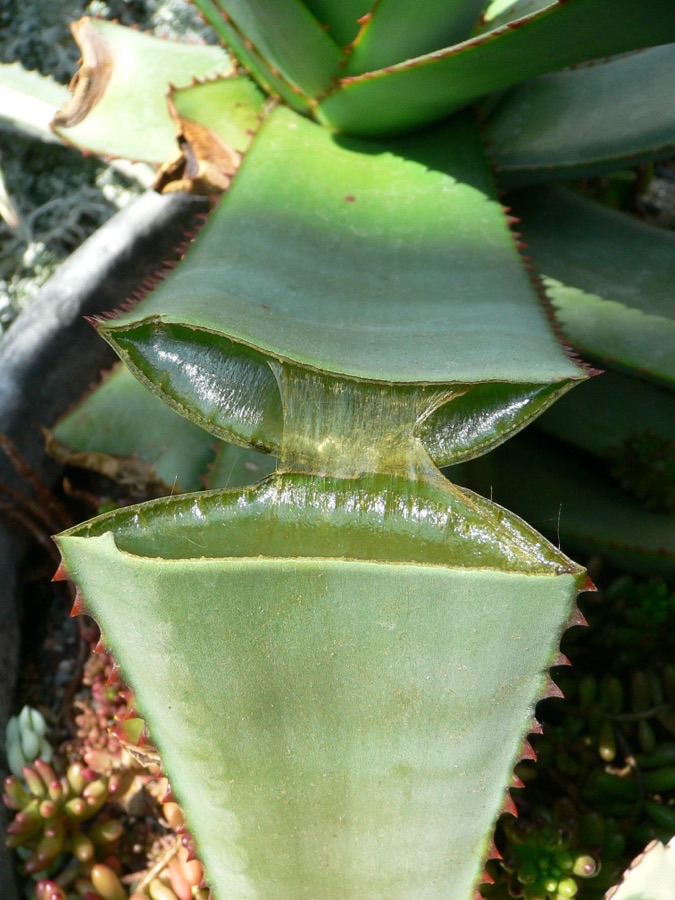
What is actually inside the leaf?
Honest Limits of This Guide
Timings here are given by season and by the age of the plant rather than in named months, because aloe is grown in both hemispheres across a wide range of hot climates. Count from your own warm season.
You will see this plant sold as Aloe barbadensis as well as Aloe vera. Both names refer to this same plant and a nursery using either is not selling you something different.
One photograph is an archive picture of aloe being harvested and drained. It is used because it shows the draining step clearly and because that step has not changed, not because the equipment is modern.
The warning about buyback schemes is included because it is a real and repeated problem in this crop in several countries, not because any particular buyer is dishonest. Verify your own buyer and judge for yourself.
Processing is deliberately not described. Separating, stabilising and preserving aloe gel is an industrial process with real hygiene requirements, and a farmer is almost always selling whole leaf.
Variety advice is deliberately local. Planting material differs in leaf size and gel content, and what performs in a district is a question for growers already there.
No chemical treatments are named here. The gel is put on skin and taken in drinks, aloe mite lives inside the tissue where sprays do not reach, and what is permitted differs by country and by buyer.
In Ayurveda
This plant is also a dravya of Ayurveda. Kumari in Dravyaguna: its botanical identity, rasa, virya and karma, the part used, the dose the texts give, and its safety record.
Sources
GBIF Backbone Taxonomy species-match record for Aloe vera (L.) Burm.f. — Global Biodiversity Information Facility (GBIF), Copenhagen (source)
EPPO Global Database — Aloe vera (EPPO code ALFVE) — European and Mediterranean Plant Protection Organization (EPPO), Paris (source)
Indian Council of Agricultural Research and National Medicinal Plants Board guidance on aloe vera cultivation — Indian Council of Agricultural Research (ICAR), New Delhi (source)
Aloe vera — CABI Compendium datasheet — CABI, Wallingford (source)
FAO guidance on post-harvest handling of perishable horticultural produce — Food and Agriculture Organization of the United Nations (FAO), Rome (source)
Laisha knows Aloe vera better than this page can show.Photo diagnosis for pests and disease, live market prices, and an agronomist you can ask at two in the morning. Ten days free, no card. After that 10 US dollars a month, one price worldwide.Start ten free days
 Laisha
AI Operating System for Agriculture
Enter Laisha