Lashuna
लशुन
Allium sativum L.
Amaryllidaceae · Allium
Benefits & side effects
TRADITIONAL VIEW, WITH SAFETY LIMITS
Hindi name: Lehsun
What the texts say Lashuna does
- Rasayana — rejuvenative
- Vatahara — pacifies vata
- Deepana — kindles digestion (appetiser)
- Krimighna — anthelmintic (against worms)
- Vrishya — aphrodisiac, supports reproductive vigour
- Medhya — supports intellect and memory
What the evidence says. Small effects where anything is shown at all, and one clear negative.
Side effects and limits
- Breath and body odour
- Abdominal pain
- Flatulence
- Nausea
- Allergic reactions
Avoid or ask first: Upcoming surgery — tell the surgical team, because of the bleeding risk.; Do not apply raw garlic to the skin.
A traditional classification, not a recommendation. The full safety record is below.
Photographs
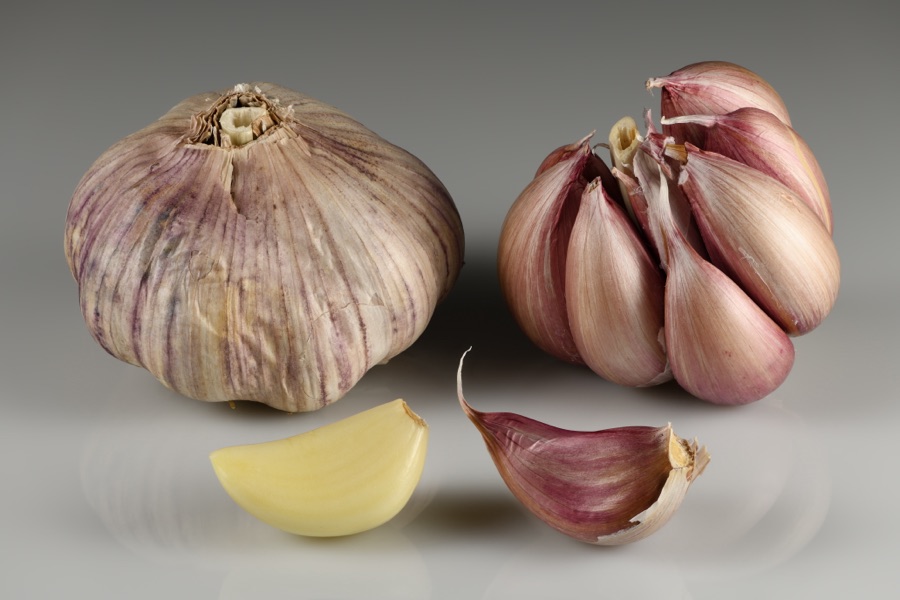
Photo: Ivar Leidus · CC BY-SA 4.0 · Wikimedia Commons

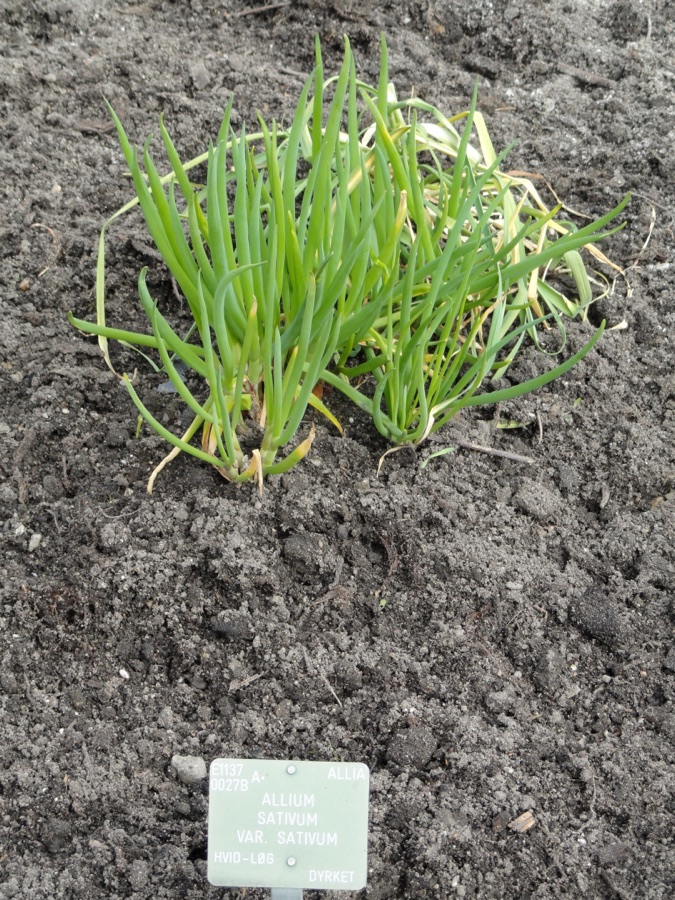
Photo: Daderot · CC0 · Wikimedia Commons

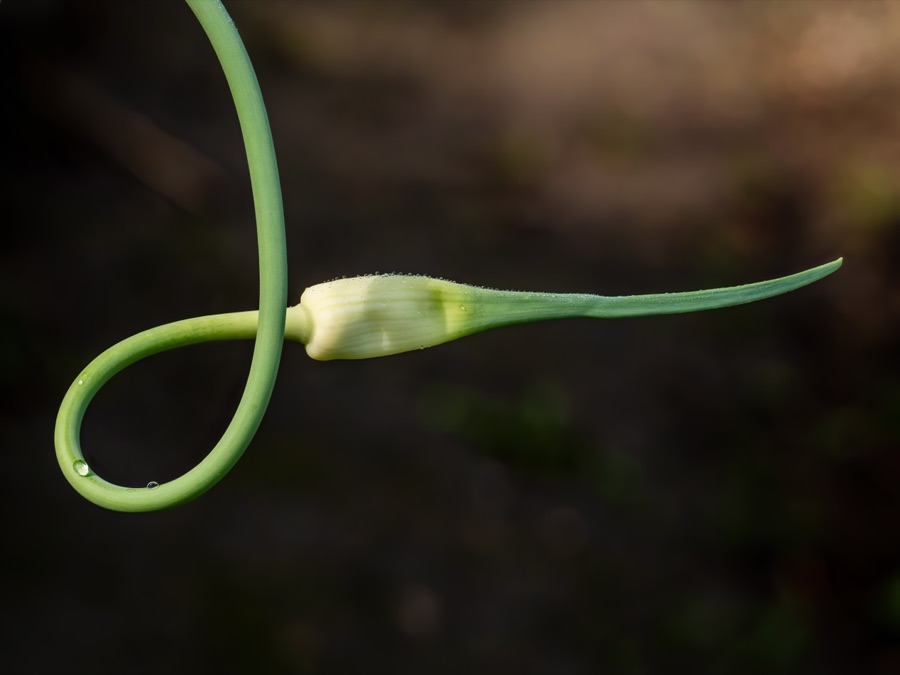
Photo: Ermell · CC BY-SA 4.0 · Wikimedia Commons

Matra and anupana
AS THE CLASSICAL TEXTS AND THE API PRESCRIBE
| Swarasa | 5–10 ml |
| Kalka | 1–3 g |
| Anupana | Dugdha · Ushnodaka |
| Kala | Pragbhakta |
Classically given in dugdha (Lashunadi ksheerapaka) to soften its ushna tikshna guna.
Reported from Sharangadhara Samhita and the Ayurvedic Pharmacopoeia of India. Laisha states what the texts prescribe; it does not recommend. No quantity here is adjusted for a particular person — not for agni, koshtha, bala, age, pregnancy, kidney or liver function, or anything already being taken.
Rasapanchaka
| Rasa | KatuMadhuraTiktaKashayaLavana |
| Guna | SnigdhaGuruTikshnaPicchila |
| Virya | Ushna |
| Vipaka | Katu |
| Prabhava | The texts place lashuna among the rasayana and describe a vatahara action they treat as characteristic. |
| Doshakarma | Vatakaphahara. Being tikshna and ushna it increases pitta, which the texts state plainly. |
Five rasa, and the one it lacks is amla — which is the opposite omission from amalaki and haritaki, and the reason the name Rasona exists. Katu predominates, and the texts place the katu in the mula (root), tikta in the leaf, kashaya in the stalk, lavana in the tip and madhura in the seed.
Karma and part used
These are the actions the classical texts record. They are statements about what the tradition holds, and this library does not restate them as findings about a human body.
| Upayukta anga | Kanda (the bulb) |
| Why it matters | The bulb, divided into cloves. Raw, cooked and aged preparations behave differently, and most supplement research is on a standardised extract rather than on the clove in a kitchen. |
Paryaya
Rasona means wanting one rasa: the texts say lashuna carries five of the six and lacks only amla. That etymology is the single most quoted fact about this dravya and is asked in almost every viva.
Names, by language
| English | Garlic |
| Sinhala | Sudu lunu |
| Nepali | Lasun |
| Arabic | Thum |
| Chinese | Da suan |
| Hindi | Lehsun |
| Kannada | Bellulli |
| Tamil | Vellaipoondu |
| Telugu | Vellulli |
| Malayalam | Veluthulli |
| Marathi | Lasun |
| Gujarati | Lasan |
| Bengali | Rasun |
| Punjabi | Thom |
| Odia | Rasuna |
| Urdu | Lehsun |
Classical references
Rasa, guna, virya, vipaka and karma are recorded as the classical texts give them, with the text and section named so a student can open the book and check. Where an exact chapter and verse could not be confirmed, this library names the section rather than inventing a number.
Formulations it appears in
| Lashunadi Vati | Named for the dravya. |
| Rasona Ksheerapaka | A milk preparation named for its synonym. |
Adulterants and substitutes
Little substituted as a whole bulb, since it is a common food and easily recognised. The problems are in processed forms: garlic powders and oils vary enormously in how much of the original chemistry survives, and a preparation made from cooked or long-stored bulbs is not the same article as one made from fresh. This is a case where the dravya is easy to identify and the preparation is not.
Identity
Matched to the accepted name in the GBIF backbone at 99% confidence. Amaryllidaceae, not Liliaceae — the family was reassigned, and older books still place Allium in the lily family.
A WAY TO REMEMBER IT
Allium is the Latin for garlic. Sativum means sown or cultivated — the same epithet as coriander, and it always marks a plant known only in cultivation.
What the tradition holds
Garlic appears in Ayurveda as rasona and is a daily cooking ingredient across most of the world's cuisines. That is what the tradition holds and what the kitchen does; neither is a finding about what the plant does in a body.
What the evidence says
| Status | Small effects where anything is shown at all, and one clear negative. |
| Suggested | Garlic supplements may reduce total cholesterol and LDL cholesterol to a small extent in people who have high cholesterol. Limited data suggests modest reductions in blood pressure in people with hypertension. |
| Not established | Garlic consumption does not appear to lower the risk of stomach cancer. Its effect on colorectal cancer remains uncertain. Research on colds and immune function is sparse: a 2022 review found only two small studies suggesting possible benefit, both with methodological limitations. |
| The honest gap | 'Small extent' and 'modest' are the words the evidence supports, and they are kept here rather than rounded up. A small reduction in a blood test is not the same as a change in whether somebody has a heart attack, and no study cited here measured that. |
Safety
Mostly mild and familiar — odour, wind, stomach upset. The two that matter: garlic supplements may increase bleeding risk, which is relevant alongside anticoagulants or aspirin and before surgery; and raw garlic applied to the skin can cause severe burns.
| Side effects | Breath and body odour Abdominal pain Flatulence Nausea Allergic reactions |
| Contraindications | Upcoming surgery — tell the surgical team, because of the bleeding risk. Do not apply raw garlic to the skin. |
| Interactions | Warfarin, clopidogrel, aspirin — garlic inhibits platelet aggregation, and case reports of bleeding exist. The effect is additive, not theoretical. Saquinavir and other protease inhibitors — garlic significantly LOWERS saquinavir levels, which is a treatment-failure risk, not a toxicity one. Antidiabetic medicines — modest additive lowering of blood glucose. Stop roughly 7–10 days before surgery. |
| Pregnancy and breastfeeding | Considered unsafe during pregnancy or breastfeeding in amounts exceeding what is normally eaten as food. Garlic used in cooking is a separate question from a concentrated supplement. |
Growing it
| Climate | A cool-season bulb crop. Most types need a cold period to form proper bulbs, which is why garlic is usually planted in autumn and lifted the following summer. |
| Soil | Loose, free-draining, fertile soil. Wet ground rots the bulb. |
| Planting | Grown from individual cloves rather than from seed, each clove becoming a bulb. Because the planting material is part of the crop, disease travels from one season to the next in it — the same problem ginger and turmeric have, and the reason clean planting stock matters more in these crops than in seeded ones. |
| Harvest | Lifted when the lower leaves have yellowed and dried, while several green leaves remain — those leaves become the wrapper layers that protect the bulb in store. |
| What is not stated | Laisha holds no sourced per-hectare yield or cost-of-production figure for garlic, and no cited cultivar trial. The cultivation notes above are general and are not drawn from a single named source; they are not a substitute for local extension advice. |
Grown as a crop: how to grow garlic, from sowing to harvest, in Laisha's grow guides.
Check this page
Print it and the code still works. It goes to this page and nowhere else.
What this is not
- No dose is given, here or anywhere in this library.
- Nothing here is a recommendation to take garlic as a supplement, or to stop taking anything prescribed.
- The evidence is reported at the strength the source states it — small and modest stay small and modest.
Sources
https://www.nccih.nih.gov/health/garlic
https://api.gbif.org/v1/species/match?name=Allium%20sativum
https://www.ema.europa.eu/en/medicines/herbal/allii-sativi-bulbus
https://pcimh.gov.in/
https://niimh.nic.in/ebooks/esharangadhara/