Lavanga
लवङ्ग
Syzygium aromaticum (L.) Merr. & L.M.Perry
Myrtaceae · Syzygium
Benefits & side effects
TRADITIONAL VIEW, WITH SAFETY LIMITS
Hindi name: Laung
What the texts say Lavanga does
- Deepana — kindles digestion (appetiser)
- Pachana — digests ama (digestive)
- Chhardinigrahana — relieves vomiting (anti-emetic)
- Trishnanigrahana — quenching thirst
- Krimighna — anthelmintic (against worms)
- Mukhashodhana — cleans the mouth
What the evidence says. Traditional use is extensive and long recorded. Modern clinical evidence is limited.
Side effects and limits
- Mouth and gum irritation from the oil
- Burning sensation
Avoid or ask first: Clove oil in children, other than under medical direction.
A traditional classification, not a recommendation. The full safety record is below.
Photographs
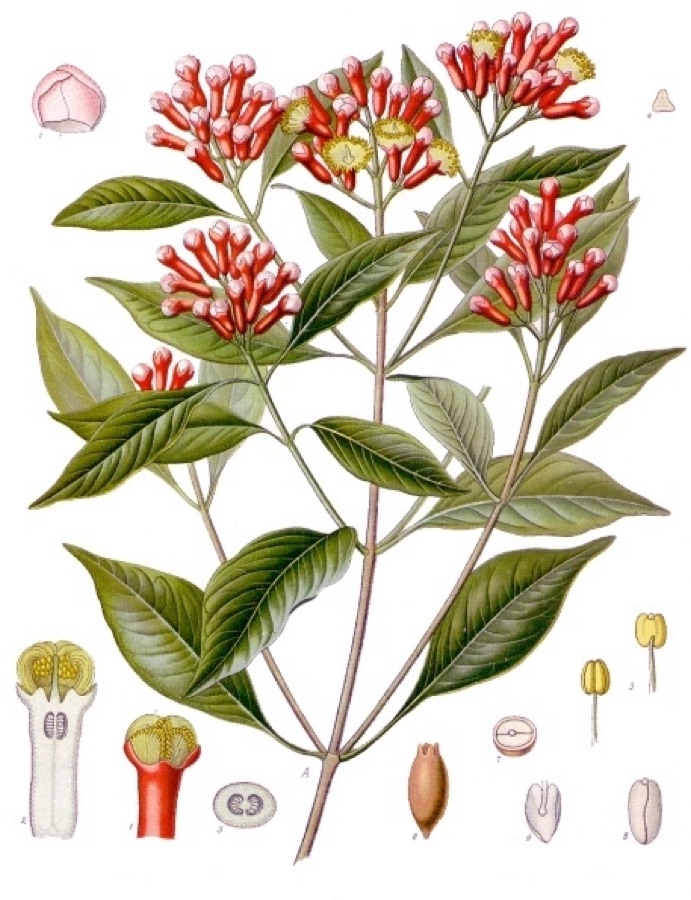
Photo: Franz Eugen Köhler, Köhler's Medizinal-Pflanzen · Public domain · Wikimedia Commons

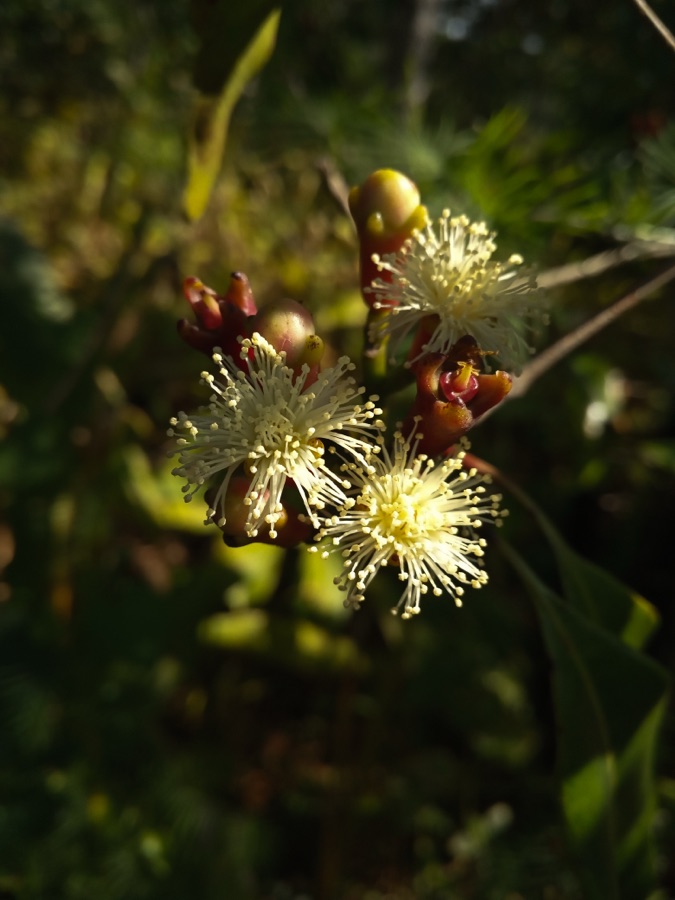
Photo: Bayu Nugroho · CC BY-SA 4.0 · Wikimedia Commons

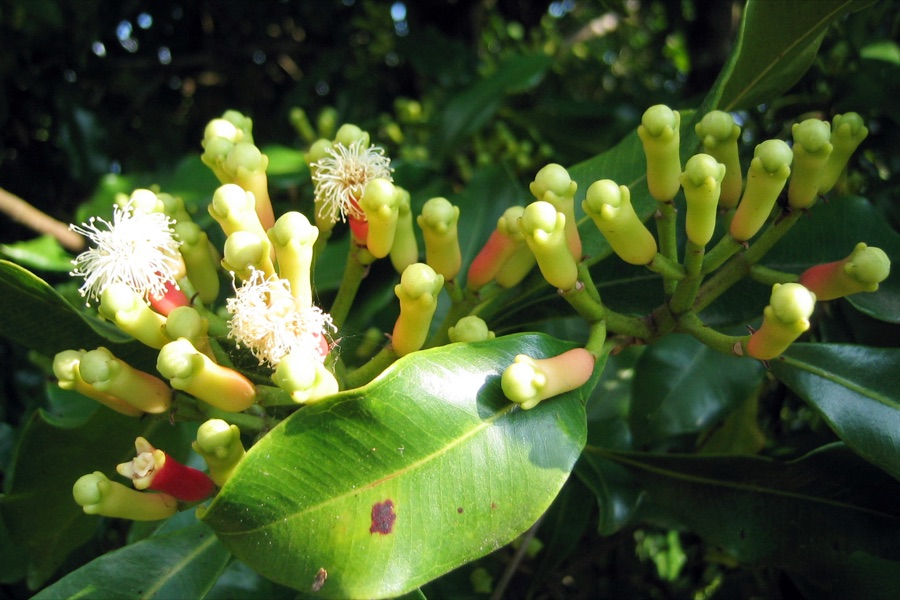
Photo: tinofrey · Public domain · Wikimedia Commons

Matra and anupana
AS THE CLASSICAL TEXTS AND THE API PRESCRIBE
| Churna | 125–500 mg |
| Anupana | Madhu · Ushnodaka |
| Kala | Adhobhakta |
Clove oil is a different preparation and has caused hepatotoxicity in children.
Reported from Sharangadhara Samhita and the Ayurvedic Pharmacopoeia of India. Laisha states what the texts prescribe; it does not recommend. No quantity here is adjusted for a particular person — not for agni, koshtha, bala, age, pregnancy, kidney or liver function, or anything already being taken.
Rasapanchaka
| Rasa | KatuTikta |
| Guna | LaghuSnigdhaTikshna |
| Virya | Sheeta |
| Vipaka | Katu |
| Prabhava | The texts single out its action on thirst and on nausea, and treat the sheeta virya despite a pungent rasa as its distinctive feature. |
| Doshakarma | Kaphapittahara. |
Katu and tikta with — and this is the point students get wrong — sheeta virya, despite the burning taste. Vipaka is katu.
Karma and part used
These are the actions the classical texts record. They are statements about what the tradition holds, and this library does not restate them as findings about a human body.
| Upayukta anga | Pushpa (the dried flower bud) |
| Why it matters | The dried unopened flower bud is the dravya. Once the bud opens it is worthless as lavanga, so the whole article depends on picking at the right hour. |
Paryaya
Devakusuma and Shriprasuna both call it a flower of the gods, which is what an imported and costly spice was to the people naming it.
Names, by language
| English | Clove |
| Sinhala | Karabu neti |
| Nepali | Lwang |
| Hindi | Laung |
| Kannada | Lavanga |
| Tamil | Kirambu |
| Telugu | Lavangalu |
| Malayalam | Grampu |
| Marathi | Lavang |
| Gujarati | Laving |
| Bengali | Lobongo |
| Punjabi | Laung |
| Odia | Labanga |
| Urdu | Qaranful |
Classical references
Rasa, guna, virya, vipaka and karma are recorded as the classical texts give them, with the text and section named so a student can open the book and check. Where an exact chapter and verse could not be confirmed, this library names the section rather than inventing a number.
Formulations it appears in
| Chyawanprash | Among the dravya of the formulation. |
| Lavangadi Vati | Named for the dravya. |
| Eladi Churna | Among the dravya of the formulation. |
| Sitopaladi Churna | Among the dravya of the formulation. |
Adulterants and substitutes
Spent cloves — those from which the oil has been distilled — are dried and mixed into whole clove, and they look almost right. The traditional test still works: a sound clove sinks in water or floats upright with the head up, while a spent one lies flat on the surface. Clove stems, a legitimate but much cheaper article, are also ground in.
Identity
Matched live against the GBIF backbone on 28 September 2026 at 99 per cent confidence. Eugenia caryophyllata is a synonym. Native to the Moluccas, not to India, and its presence in the classical formularies marks how old the spice trade is.
A WAY TO REMEMBER IT
Syzygium is syzygos, joined — the paired leaves. Aromaticum needs no help. The clove is the unopened flower bud, which is why aromaticum sits on a Syzygium.
What the tradition holds
Lavanga is described in the Bhavaprakasha Nighantu among the aromatics and is recorded as acting on nausea and thirst. That is what the tradition holds and where it is written down, not a finding about what the bud does in a body.
Constituents. The bud carries an essential oil that is mostly eugenol — among the highest proportions of a single compound in any spice, which is why clove oil is so strong.
What the evidence says
| Status | Traditional use is extensive and long recorded. Modern clinical evidence is limited. |
| Suggested | Health Canada publishes monographs covering Ayurvedic ingredients and permits specific traditional-use claims, which reflects a regulator accepting a documented tradition rather than a body of clinical trial evidence. |
| Not established | There is not enough good clinical evidence to establish an effect on any named health condition. Long traditional use is not a substitute for that evidence, and this library does not present it as one. |
| The honest gap | Most published work studies clove oil or eugenol, and a whole spice used in food is a different article. |
Safety
Used daily as a spice with no serious harm documented at culinary use. The caution that matters is clove oil rather than the spice: undiluted clove oil applied in the mouth causes tissue damage and burns, and swallowed in quantity it has caused serious liver injury in children. The gap between a clove in a dish and a bottle of clove oil is large, and this entry treats them as different things.
| Side effects | Mouth and gum irritation from the oil Burning sensation |
| Contraindications | Clove oil in children, other than under medical direction. |
| Interactions | Warfarin and antiplatelets — eugenol inhibits platelet aggregation. Clove OIL in quantity has caused hepatotoxicity and coagulopathy in children. Clove oil is not interchangeable with the spice and is the form implicated in poisoning. |
| Pregnancy and breastfeeding | Ordinary culinary use is long established. Medicinal quantities and clove oil in pregnancy or breastfeeding should be discussed with a qualified practitioner first. |
Growing it
| Climate | Wet equatorial tropical; grown in India chiefly in the southern hills. |
| Soil | Deep, rich, well-drained ground with reliable rain. |
| Planting | A slow-growing evergreen tree, raised from seed, several years to bearing. |
| Harvest | Buds are picked when they turn from green to pink but before they open, then sun-dried until dark brown. |
| What is not stated | This library has not verified region-specific spacing, variety and yield figures against a named agricultural authority for every growing country, and does not state them rather than guessing. |
Grown as a crop: how to grow clove, from sowing to harvest, in Laisha's grow guides.
Check this page
Print it and the code still works. It goes to this page and nowhere else.
What this is not
- This is a study and clinical reference for practitioners and students. The matra and anupana it records are what the classical texts and the Ayurvedic Pharmacopoeia of India PRESCRIBE — Laisha reports them, it does not recommend them. They are not a prescription for any particular person, and they are not adjusted for your age, agni, koshtha, bala, pregnancy, kidney or liver function, or anything else you are already taking. Only a qualified practitioner who has examined you can do that.
- Traditional classification is recorded as what the classical texts say, with the text and the place in it named so it can be checked. It is not restated as a finding about a human body.
- Nothing here replaces a qualified Ayurvedic practitioner or a doctor.
Sources
https://api.gbif.org/v1/species/match?name=Syzygium%20aromaticum
https://pcimh.gov.in/
https://www.canada.ca/en/health-canada/services/drugs-health-products/natural-non-prescription/applications-submissions/product-licensing/compendium-monographs.html
https://niimh.nic.in/ebooks/esharangadhara/