Meda
मेदा
Polygonatum verticillatum (L.) All.
Asparagaceae · Polygonatum
Benefits & side effects
TRADITIONAL VIEW, WITH SAFETY LIMITS
What the texts say Meda does
- Jivaniya — vitalising, life-sustaining
- Brimhaniya — nourishing, builds body tissue
- Shukrajanana — promotes the production of semen
- Balya — strengthening
- Stanyajanana — promotes breast milk
What the evidence says. Traditional use is long recorded. Modern evidence is almost absent, and what exists rarely establishes which plant was studied.
Side effects and limits
This dravya is one of the Ashtavarga, and almost nothing sold under the name is the plant the texts describe. Wild populations are severely depleted across the Himalaya, the botanical identity was never fully settled, and Indian practice openly substitutes Shatavari and Vidari for the whole group. So the safety of what is actually in a preparation cannot be stated from the classical name alone. Anyone pregnant, on medication or managing a diagnosed condition should speak to a doctor or a qualified practitioner first.
Avoid or ask first: No absolute contraindication is documented here. This is written deliberately rather than left blank.
A traditional classification, not a recommendation. The full safety record is below.
Stands in 6 groups
- Jivaniya — Life-sustaining
- Shukrajanana — Generating semen
- Snehopaga — Adjuvant to oleation
- Kakolyadi — Pitta, bleeding, and the building of tissue
- Ashtavarga — The eight - the Himalayan group of the Jivaniya and Kakolyadi drugs
- Panchatikta — The five bitters (named there as Vasa)
A Samhita can only be read forwards, from the group to its members. This is the same list read backwards.
Photographs
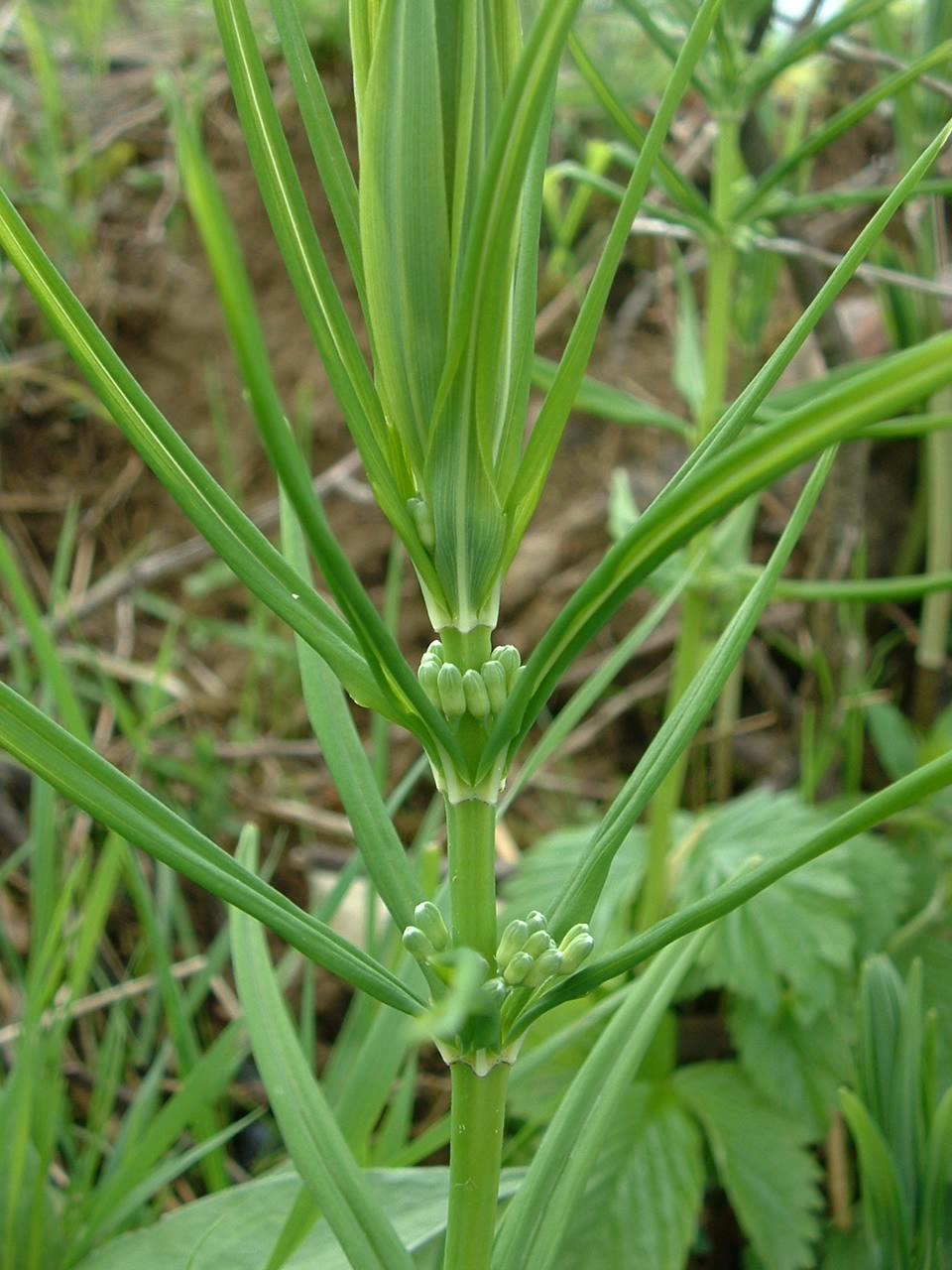
Photo: Jeffdelonge · CC BY-SA 3.0 · Wikimedia Commons

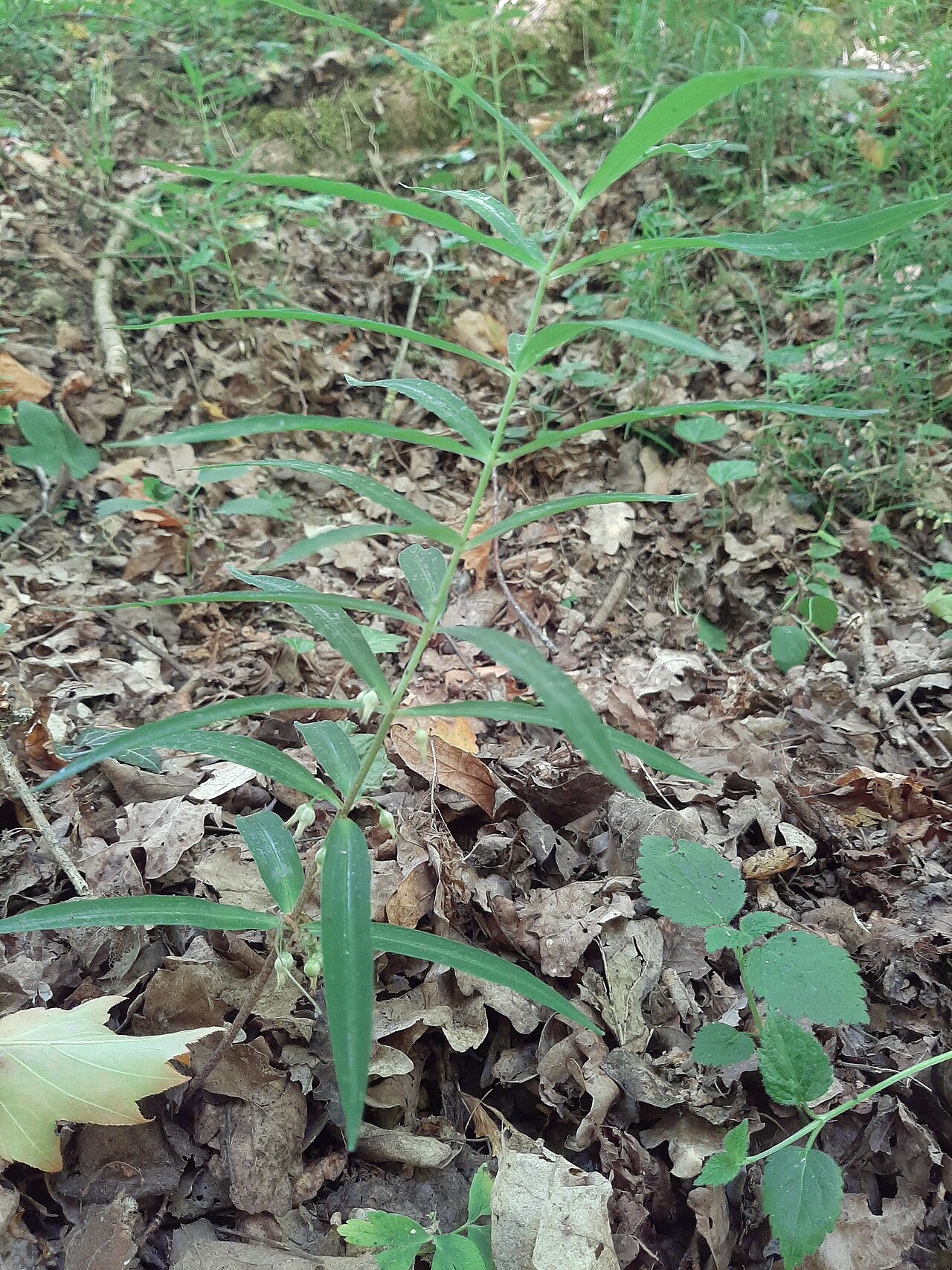
Photo: Shi Annan · CC BY-SA 4.0 · Wikimedia Commons

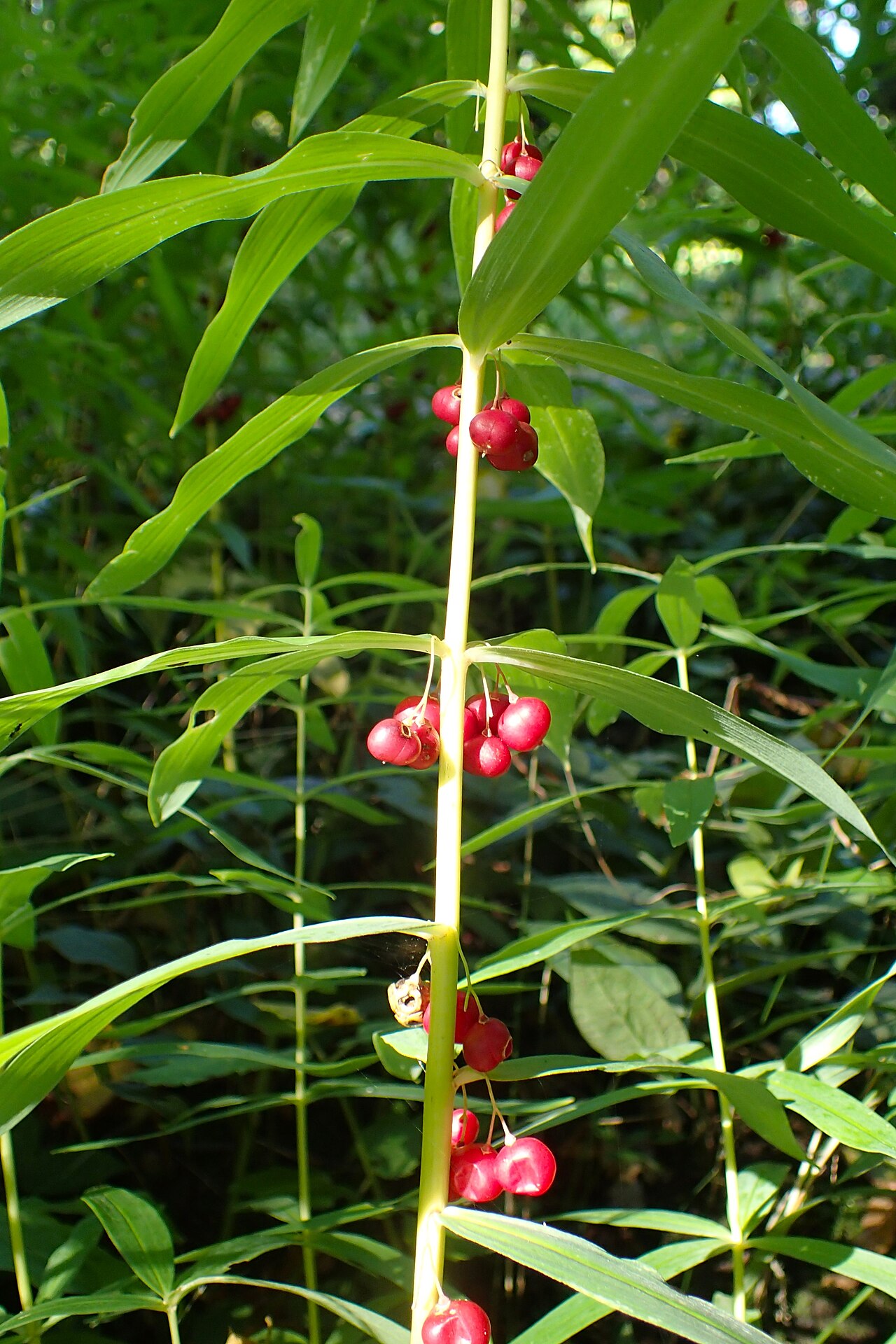
Photo: Krzysztof Ziarnek, Kenraiz · CC BY-SA 4.0 · Wikimedia Commons

Matra and anupana
AS THE CLASSICAL TEXTS AND THE API PRESCRIBE
| Churna | 3–6 g |
| Anupana | Ksheera · Madhu |
| Kala | Adhobhakta |
The matra the texts give the Ashtavarga as a group. In practice the article supplied is usually an accepted substitute, not this dravya.
Reported from Sharangadhara Samhita and the Ayurvedic Pharmacopoeia of India. Laisha states what the texts prescribe; it does not recommend. No quantity here is adjusted for a particular person — not for agni, koshtha, bala, age, pregnancy, kidney or liver function, or anything already being taken.
Rasapanchaka
| Rasa | Madhura |
| Guna | GuruSnigdha |
| Virya | Sheeta |
| Vipaka | Madhura |
| Prabhava | One of the Ashtavarga, the eight dravya of the Jivaniya and Kakolyadi groups and of Chyavanaprasha as the classical formula gives it. |
| Doshakarma | Vatapittahara. |
Madhura with sheeta virya and madhura vipaka, the profile the texts give the whole Ashtavarga. It describes a group rather than a verified individual plant.
Karma and part used
These are the actions the classical texts record. They are statements about what the tradition holds, and this library does not restate them as findings about a human body.
| Upayukta anga | Kanda (the rhizome) |
| Why it matters | The part named in the classical description. Since the botanical source is unsettled, the part is described as the texts give it rather than as a supplier does. |
Paryaya
The Ashtavarga are named as a set as often as individually, and several of the paryaya are shared across the eight.
Names, by language
| English | — |
| Hindi | Meda |
| Kannada | Meda |
| Tamil | Medai |
| Telugu | Meda |
| Malayalam | Meda |
| Marathi | Meda |
| Gujarati | Meda |
| Bengali | Meda |
| Odia | Meda |
| Urdu | Meda |
Classical references
Formulations it appears in
| Chyavanaprasha | One of the Ashtavarga in the classical formula. Most commercial Chyavanaprasha omits the group or substitutes it, and says so on the label. |
| Jivaniya Gana Kwatha | One of the ten dravya of the group. |
Adulterants and substitutes
Meda and Mahameda are a pair, and Shatavari is the accepted substitute for both. Polygonatum species are collected from the Himalaya faster than they regenerate, and the rhizome is also eaten as a wild vegetable, which competes with the medicinal supply.
Identity
Polygonatum verticillatum is the identification accepted in most current work, paired with Polygonatum cirrhifolium as Mahameda. Asparagus racemosus is the openly declared substitute in practice.
A WAY TO REMEMBER IT
Polygonatum is Greek poly, many, and gonu, a knee — the jointed rhizome. Verticillatum, for the whorled leaves. Meda is the Sanskrit for fat or marrow, which is what the texts hold the dravya to build.
What the tradition holds
Named among the Ashtavarga, which head Charaka's Jivaniya mahakashaya and Sushruta's Kakolyadi gana and appear in the classical formula for Chyavanaprasha. That is what the texts record. Which plant they meant is the part that was never settled.
What the evidence says
| Status | Traditional use is long recorded. Modern evidence is almost absent, and what exists rarely establishes which plant was studied. |
| Suggested | Indian pharmacopoeial and conservation literature documents the Ashtavarga as a group, its depleted wild status, and the substitutions accepted in its place. That is documentation of a supply and identity problem, not evidence of an effect in a body. |
| Not established | There is not enough good clinical evidence to establish an effect on any named health condition. Long traditional use is not a substitute for that evidence, and this library does not present it as one. |
| The honest gap | The central gap is identity. Published work on the Ashtavarga rarely records which species was used, and the material available for study is usually a substitute, so results cannot be attributed to the classical dravya. |
Safety
This dravya is one of the Ashtavarga, and almost nothing sold under the name is the plant the texts describe. Wild populations are severely depleted across the Himalaya, the botanical identity was never fully settled, and Indian practice openly substitutes Shatavari and Vidari for the whole group. So the safety of what is actually in a preparation cannot be stated from the classical name alone. Anyone pregnant, on medication or managing a diagnosed condition should speak to a doctor or a qualified practitioner first.
| Contraindications | No absolute contraindication is documented here. This is written deliberately rather than left blank. |
| Interactions | No specific drug interaction is documented for this dravya. That is the honest state of the evidence, not a statement that none exists — most Ayurvedic dravya have never been studied for interaction with modern medicines at all. |
| Pregnancy and breastfeeding | Safety in pregnancy has not been established. It cannot meaningfully be assessed for a dravya whose botanical source is unsettled and which is routinely substituted. |
Check this page
Print it and the code still works. It goes to this page and nowhere else.
What this is not
- This is a study and clinical reference for practitioners and students. The matra and anupana it records are what the classical texts and the Ayurvedic Pharmacopoeia of India PRESCRIBE — Laisha reports them, it does not recommend them. They are not a prescription for any particular person, and they are not adjusted for your age, agni, koshtha, bala, pregnancy, kidney or liver function, or anything else you are already taking. Only a qualified practitioner who has examined you can do that.
- Traditional classification is recorded as what the classical texts say, with the text and the place in it named so it can be checked. It is not restated as a finding about a human body.
- Nothing here replaces a qualified Ayurvedic practitioner or a doctor.
Sources
https://api.gbif.org/v1/species/match?name=Polygonatum%20verticillatum
https://pcimh.gov.in/
https://niimh.nic.in/ebooks/ebnighantu/
https://niimh.nic.in/ebooks/esharangadhara/