Methika
मेथिका
Trigonella foenum-graecum L.
Fabaceae · Trigonella
Benefits & side effects
TRADITIONAL VIEW, WITH SAFETY LIMITS
What the texts say Methika does
- Deepana — kindles digestion (appetiser)
- Vatahara — pacifies vata
- Stanyajanana — promotes breast milk
- Balya — strengthening
- Vrishya — aphrodisiac, supports reproductive vigour
- Shothahara — reduces swelling
What the evidence says. Traditional use is extensive and long recorded. Modern clinical evidence is limited.
Side effects and limits
- Digestive upset and wind
- A maple-like smell in sweat and urine
- Allergic reaction in those sensitive to legumes
Avoid or ask first: Known allergy to peanut, chickpea or other legumes.; Pregnancy, in medicinal quantity.
A traditional classification, not a recommendation. The full safety record is below.
Photographs
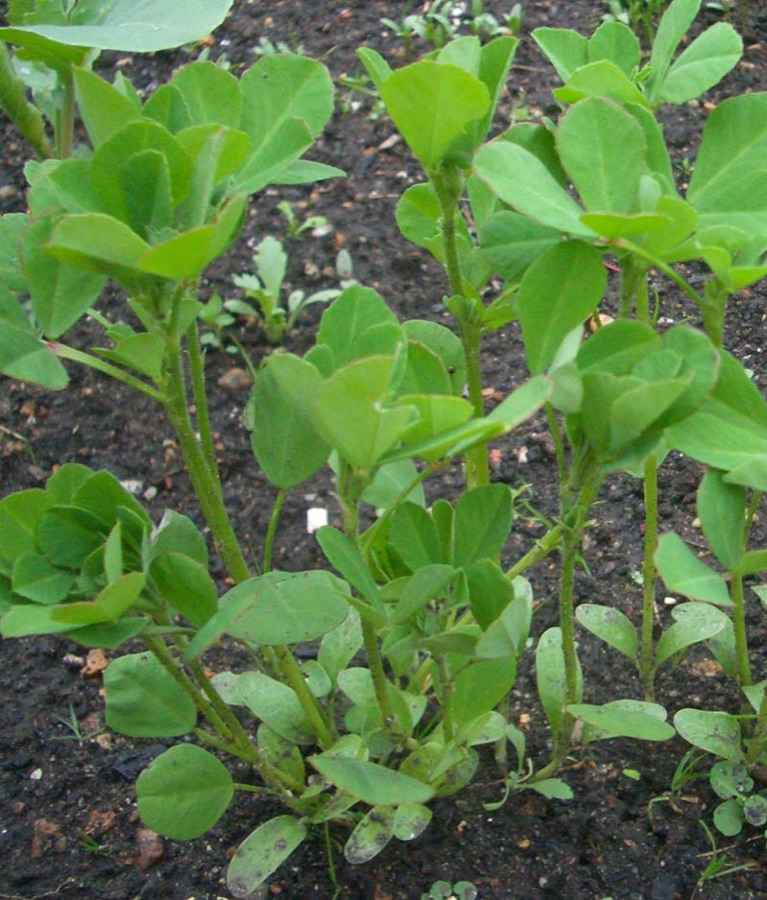
Photo: Yak · CC BY-SA 3.0 · Wikimedia Commons

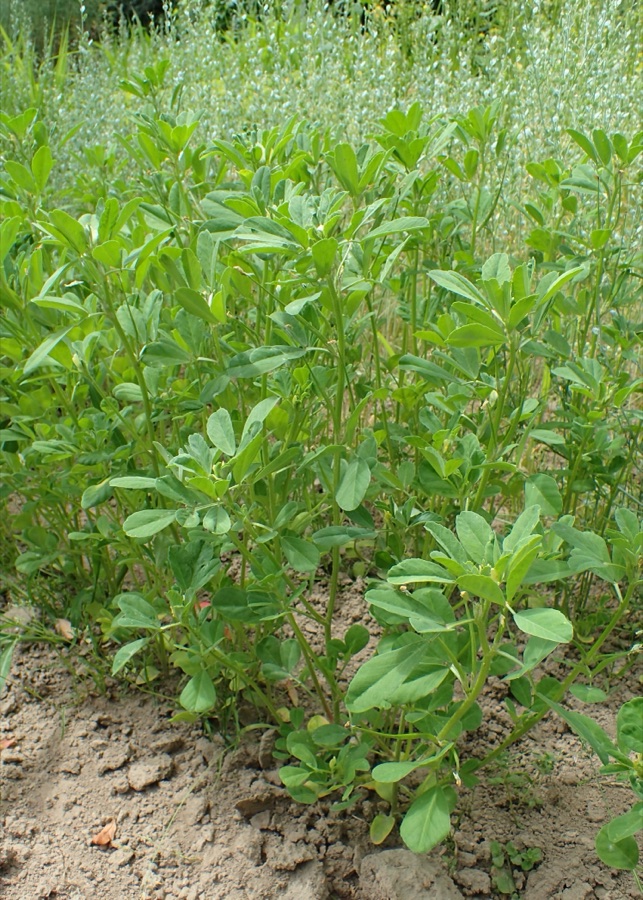
Photo: Krzysztof Ziarnek, Kenraiz · CC BY-SA 4.0 · Wikimedia Commons

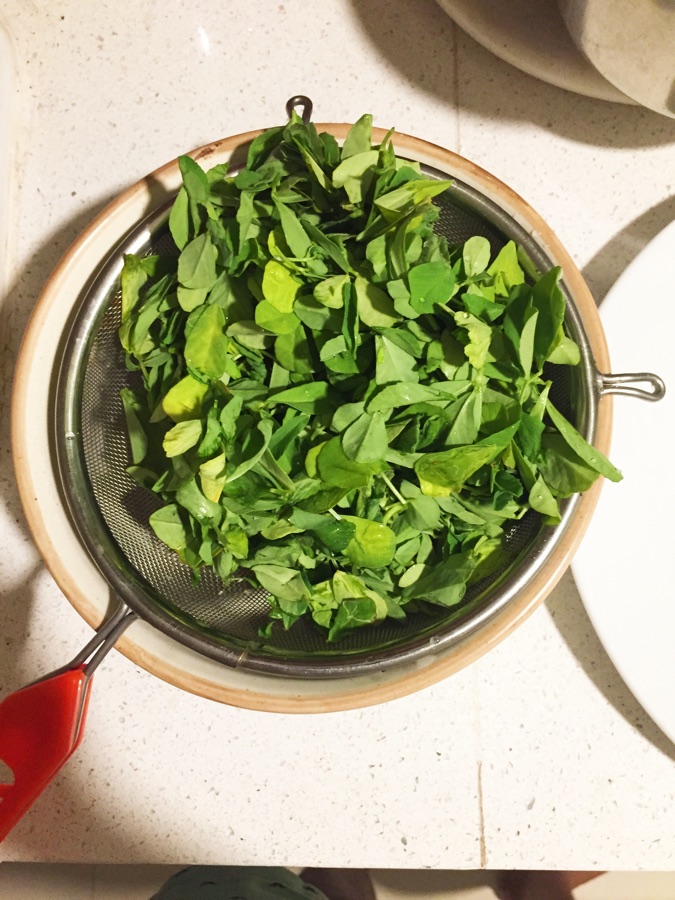
Photo: Subhashish Panigrahi · CC BY-SA 4.0 · Wikimedia Commons

Matra and anupana
AS THE CLASSICAL TEXTS AND THE API PRESCRIBE
| Churna | 3–6 g |
| Beeja | 5–10 g soaked |
| Anupana | Ushnodaka · Dugdha |
| Kala | Pragbhakta |
Classical stanyajanana and vatahara use; the hypoglycaemic effect is real enough to matter alongside diabetes medicines.
Reported from Sharangadhara Samhita and the Ayurvedic Pharmacopoeia of India. Laisha states what the texts prescribe; it does not recommend. No quantity here is adjusted for a particular person — not for agni, koshtha, bala, age, pregnancy, kidney or liver function, or anything already being taken.
Rasapanchaka
| Rasa | TiktaKatu |
| Guna | LaghuSnigdha |
| Virya | Ushna |
| Vipaka | Katu |
| Prabhava | The texts single out methika as vatahara and as stanyajanana, increasing milk, and the second of those is the use it is best known for in households. |
| Doshakarma | Kaphavatahara. Being ushna it increases pitta. |
Tikta and katu with ushna virya and katu vipaka.
Karma and part used
These are the actions the classical texts record. They are statements about what the tradition holds, and this library does not restate them as findings about a human body.
| Upayukta anga | Beeja (the seed) Patra (the leaf) |
| Why it matters | The seed is the dravya of the texts. The leaf is eaten as a vegetable and dried as kasuri methi, and is treated as food rather than as the medicinal article. |
Paryaya
Bahuparni, many-leaved, describes the plant. Deepani names the action, which is the pattern across the kitchen dravya.
Names, by language
| English | Fenugreek |
| Sinhala | Uluhaal |
| Nepali | Methi |
| Hindi | Methi |
| Kannada | Menthya |
| Tamil | Vendhayam |
| Telugu | Menthulu |
| Malayalam | Uluva |
| Marathi | Methi |
| Gujarati | Methi |
| Bengali | Methi |
| Punjabi | Methi |
| Odia | Methi |
| Urdu | Hulba |
Classical references
Rasa, guna, virya, vipaka and karma are recorded as the classical texts give them, with the text and section named so a student can open the book and check. Where an exact chapter and verse could not be confirmed, this library names the section rather than inventing a number.
Formulations it appears in
| Methika Churna | Named for the dravya. |
| Chandraprabha Vati | Among the dravya of the formulation. |
Adulterants and substitutes
Trigonella corniculata, kasuri methi, is a related species with a stronger aroma and is both sold honestly and substituted. Seed is sometimes bulked with the seed of other legumes of similar size. The leaf sold dried is frequently mixed with other dried greens.
Identity
Matched live against the GBIF backbone on 28 September 2026 at 99 per cent confidence. One of the few dravya in this library that is a field crop, a vegetable and a medicine at the same time.
A WAY TO REMEMBER IT
Trigonella is little-triangle, for the triangular flower. Foenum-graecum means Greek hay — it was grown as fodder and smells of hay.
What the tradition holds
Methika is described in the Bhavaprakasha Nighantu among the vegetables and is recorded as stanyajanana and vatahara. That is what the tradition holds and where it is written down, not a finding about what the seed does in a body.
Constituents. The seed carries steroidal saponins including diosgenin, the alkaloid trigonelline, and a large amount of soluble fibre — the fibre is what makes soaked seed slimy and is a substantial part of the seed by weight.
What the evidence says
| Status | Traditional use is extensive and long recorded. Modern clinical evidence is limited. |
| Suggested | Health Canada publishes monographs covering Ayurvedic ingredients and permits specific traditional-use claims, which reflects a regulator accepting a documented tradition rather than a body of clinical trial evidence. |
| Not established | There is not enough good clinical evidence to establish an effect on any named health condition. Long traditional use is not a substitute for that evidence, and this library does not present it as one. |
| The honest gap | Published work uses extracts standardised to saponin content, which is a different article from whole seed eaten as food. |
Safety
Eaten as food across India and given routinely to women after childbirth, which is a long record of ordinary use. Two documented cautions matter. It is a legume, and allergy is reported in people allergic to chickpea and peanut. And it is documented to pass into breast milk and into sweat, giving both a maple-like smell — harmless in itself, but it has caused false suspicion of a metabolic disorder in newborns whose mothers were taking it. Anyone on medication, pregnant, or managing a diagnosed condition should speak to a doctor or a qualified practitioner first.
| Side effects | Digestive upset and wind A maple-like smell in sweat and urine Allergic reaction in those sensitive to legumes |
| Contraindications | Known allergy to peanut, chickpea or other legumes. Pregnancy, in medicinal quantity. |
| Interactions | Antidiabetic medicines including insulin and sulfonylureas — fenugreek has a genuine, trial-level hypoglycaemic effect, and unlike most herbs on this list that is not a theoretical caution. Blood glucose can fall below target. Adjust monitoring. Warfarin — coumarin content and case reports of a raised INR. Any oral drug taken at the same time — the mucilage can slow absorption. Separate by two hours. |
| Pregnancy and breastfeeding | Not to be used in medicinal quantity in pregnancy. Culinary use is long established, and use to encourage milk after childbirth is traditional and should still be discussed with a qualified practitioner. |
Growing it
| Climate | Cool season; grown through the Indian winter. |
| Soil | Well-drained loam. A legume, so it fixes its own nitrogen. |
| Planting | Sown direct, thickly for leaf and thinner for seed. |
| Harvest | Leaf cut through the season. Plants pulled for seed when the pods yellow, then dried and threshed. |
| What is not stated | This library has not verified region-specific spacing, variety and yield figures against a named agricultural authority for every growing country, and does not state them rather than guessing. |
Grown as a crop: how to grow fenugreek, from sowing to harvest, in Laisha's grow guides.
Check this page
Print it and the code still works. It goes to this page and nowhere else.
What this is not
- This is a study and clinical reference for practitioners and students. The matra and anupana it records are what the classical texts and the Ayurvedic Pharmacopoeia of India PRESCRIBE — Laisha reports them, it does not recommend them. They are not a prescription for any particular person, and they are not adjusted for your age, agni, koshtha, bala, pregnancy, kidney or liver function, or anything else you are already taking. Only a qualified practitioner who has examined you can do that.
- Traditional classification is recorded as what the classical texts say, with the text and the place in it named so it can be checked. It is not restated as a finding about a human body.
- Nothing here replaces a qualified Ayurvedic practitioner or a doctor.
Sources
https://api.gbif.org/v1/species/match?name=Trigonella%20foenum-graecum
https://pcimh.gov.in/
https://www.canada.ca/en/health-canada/services/drugs-health-products/natural-non-prescription/applications-submissions/product-licensing/compendium-monographs.html
https://niimh.nic.in/ebooks/esharangadhara/