 Laisha
AI Operating System for Agriculture
Enter Laisha
Laisha
AI Operating System for Agriculture
Enter Laisha
Trigonella foenum-graecum · Also called: Methi, Menthya, Vendhayam, Uluva, Hilba, Helba, Shanbalileh, Kasuri methi
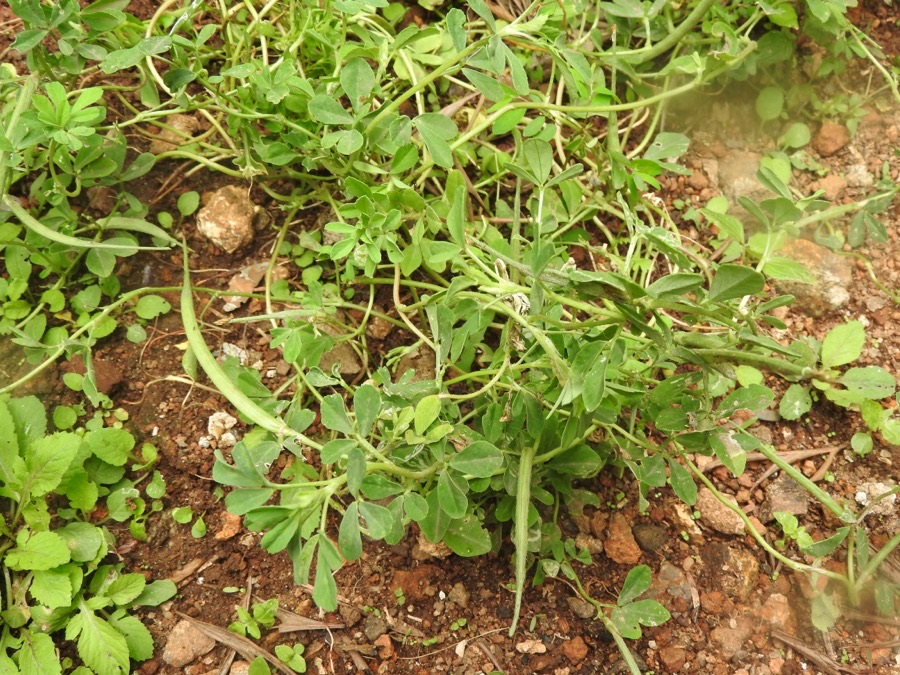
Photo: Yercaud-elango, CC BY-SA 4.0 (Wikimedia Commons)
Fenugreek gives two harvests from one sowing and it is one of the fastest useful things a household can put in the ground. Green leaves are ready to cut in three to four weeks, which is quicker than almost any other crop in this library, and the same plants left to stand give a spice seed traded worldwide. India grows most of the world's fenugreek seed, with Turkey, Egypt, Morocco, Ethiopia, Iran, Nepal and Argentina also producing. It is a legume, so it leaves nitrogen behind and is often sown deliberately to improve a tired field. For a smallholder it is a rare thing: food within the month, a cash spice within the season, and better soil afterwards.
If you see: Plants shooting up tall and thin and flowering when they are barely a hand high, with very few leaves worth cutting.
It likely means: Heat. Fenugreek is a cool-season crop and runs straight to flower when it is sown too late or into warm weather.
Do this: Sow at the start of the cool season rather than at the end of it.
If you see: A white dusty coating spreading over the leaves, which then yellow and dry, worst where the bed is thickest.
It likely means: Powdery mildew, the commonest disease of fenugreek. It thrives on crowded soft growth in damp still air.
Do this: Sow thinner, or thin a crowded bed, so that air moves through the plants.
If you see: A bed that was cut for leaves and then simply sat there, with brown stubs and almost no new growth.
It likely means: It was cut too low or too late, or it was left dry afterwards. Fenugreek grows back from the stub, and there has to be a stub.
Do this: Cut about five centimetres above the ground rather than at soil level.
If you see: Plants yellowing and collapsing in patches, easily pulled up, with dark rotted roots and no pink nodules.
It likely means: Root rot in ground that stayed wet. Fenugreek stands dryness well and wet feet very badly.
Do this: Grow on raised beds or ridges wherever the ground is at all inclined to hold water.
If you see: A tall soft crop flattened on the ground after wind or rain, with pods lying in the mud.
It likely means: Too much nitrogen or too much water, or both, giving growth the stem cannot hold up.
Do this: Do not apply nitrogen, since this legume makes its own.
If you see: Seed lying on the ground under the plants at harvest, and pods that have already split open on the stem.
It likely means: The crop was left too long, or was handled in the heat of the day when the pods were brittle.
Do this: Harvest when most pods are yellow rather than waiting for every one to brown.
If you see: Stored seed that has gone pale and dull and smells of very little when crushed.
It likely means: It was stored warm, in light, or not dry enough. The smell is what the spice is bought for.
Do this: Dry the seed hard before storing, so that a grain cannot be dented with a fingernail.
Growing the crop is only part of the job. The last part is knowing what a normal harvest looks like where you are, and knowing what your leaves and your seed are worth before you agree a price with anybody.
If you forget every other page of this guide, keep these lines. They are the whole crop, in order, short enough to carry in your head.
What does a fenugreek plant look like growing in the field?
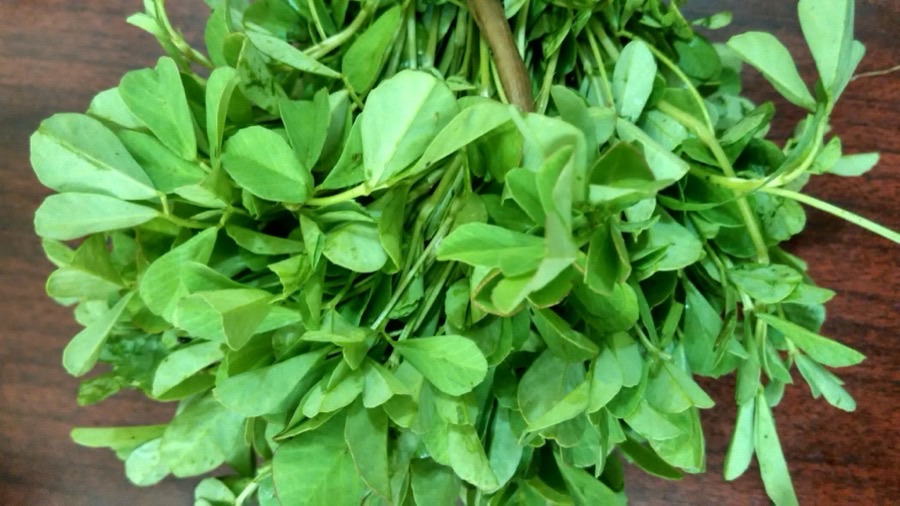
How do I know the leaves are ready to cut?
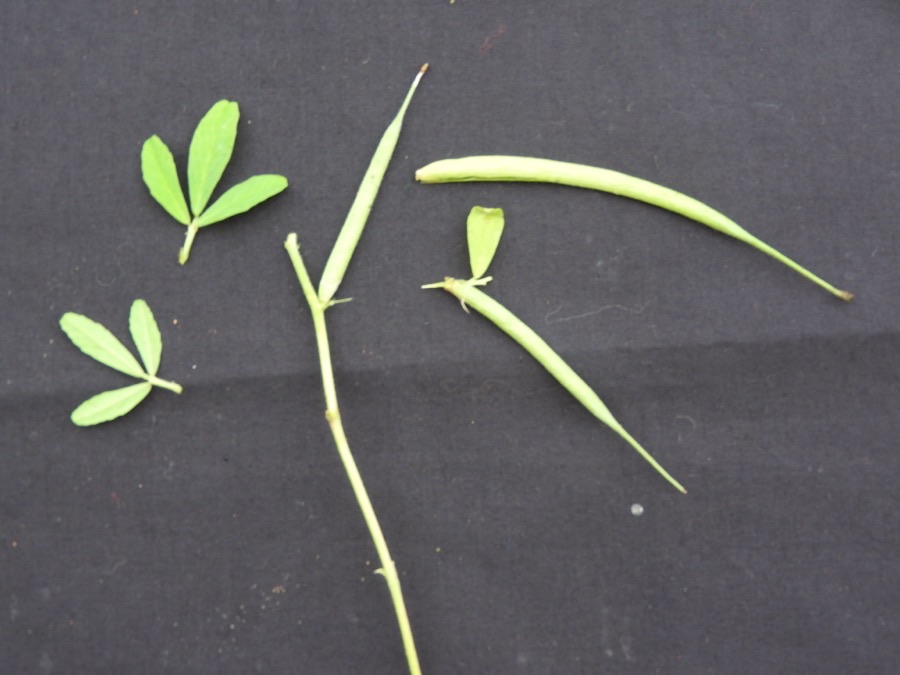
What do the pods look like, and when is the seed ready?
This plant is also a dravya of Ayurveda. Methika in Dravyaguna: its botanical identity, rasa, virya and karma, the part used, the dose the texts give, and its safety record.