Mishreya
मिश्रेया
Foeniculum vulgare Mill.
Apiaceae · Foeniculum
Benefits & side effects
TRADITIONAL VIEW, WITH SAFETY LIMITS
Hindi name: Saunf
What the texts say Mishreya does
- Deepana — kindles digestion (appetiser)
- Pachana — digests ama (digestive)
- Vatanulomana — moves vata downward, relieves wind
- Trishnanigrahana — quenching thirst
- Stanyajanana — promotes breast milk
- Chakshushya — good for the eyes
What the evidence says. Traditional use is extensive and long recorded. Modern clinical evidence is limited.
Side effects and limits
- Allergic reaction in those sensitive to Apiaceae
- Increased sensitivity of skin to sunlight
Avoid or ask first: Children under four, as regards medicinal preparations rather than a seed chewed after a meal.; Hormone-sensitive conditions, given anethole's oestrogen-like activity.; Known allergy to plants of the Apiaceae family.
A traditional classification, not a recommendation. The full safety record is below.
Photographs
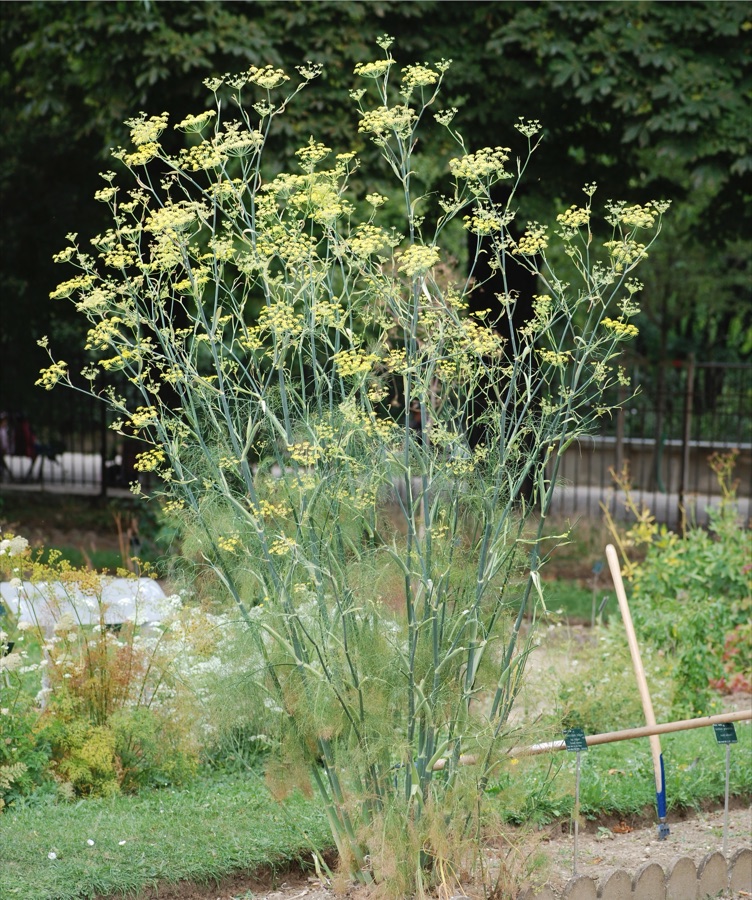
Photo: Alvesgaspar · CC BY-SA 3.0 · Wikimedia Commons

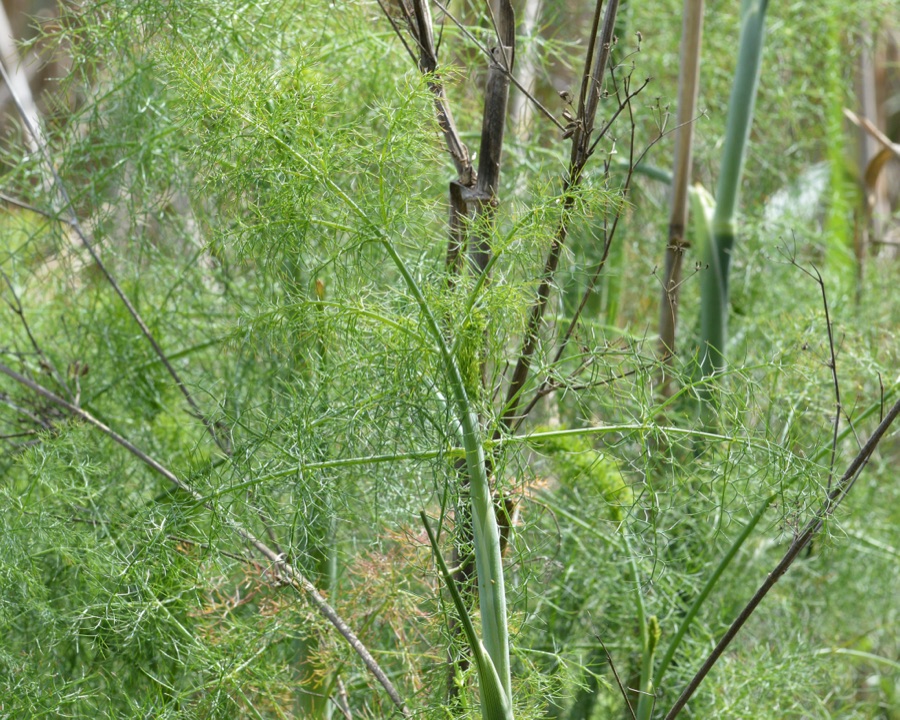
Photo: Ryan Hodnett · CC BY-SA 4.0 · Wikimedia Commons

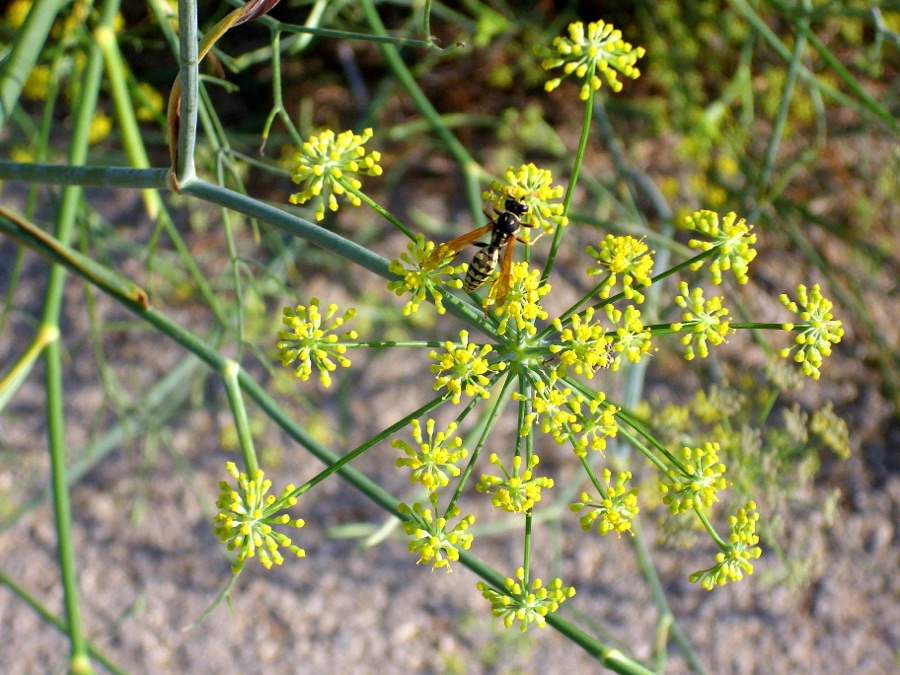
Photo: Javier martin · Public domain · Wikimedia Commons

Matra and anupana
AS THE CLASSICAL TEXTS AND THE API PRESCRIBE
| Churna | 1–3 g |
| Phanta | 50–100 ml |
| Anupana | Sharkara · Ushnodaka |
| Kala | Adhobhakta |
Foeniculum vulgare. Shatapushpa is dill, a different plant, and the names are interchanged.
Reported from Sharangadhara Samhita and the Ayurvedic Pharmacopoeia of India. Laisha states what the texts prescribe; it does not recommend. No quantity here is adjusted for a particular person — not for agni, koshtha, bala, age, pregnancy, kidney or liver function, or anything already being taken.
Rasapanchaka
| Rasa | MadhuraTiktaKatu |
| Guna | LaghuSnigdha |
| Virya | Sheeta |
| Vipaka | Madhura |
| Prabhava | The texts treat mishreya as deepana while being sheeta, an uncommon combination, and name it for thirst and for burning as well as for digestion. |
| Doshakarma | Tridoshahara. |
Madhura with tikta and katu, and — the examinable detail — sheeta virya despite an ushna reputation, with madhura vipaka. That is why fennel cools where ajwain heats.
Karma and part used
These are the actions the classical texts record. They are statements about what the tradition holds, and this library does not restate them as findings about a human body.
| Upayukta anga | Phala (the fruit) |
| Why it matters | The dried fruit is the dravya, and it is one of the few in this library that is also chewed plain at the end of a meal across the whole country. |
Paryaya
Madhurika, the sweet one, is the paryaya that separates fennel from dill in practice — and the paryaya Shatapushpa appearing here too is exactly the source of the confusion. Shatapushpa and Mishreya are genuinely interchanged in the nighantus and in practice, and the two plants are not the same: Mishreya is Foeniculum vulgare (fennel, saunf) and Shatapushpa is Anethum graveolens (dill, soya). Both carry the paryaya Misi. This is not a tidy-up Laisha can do on the texts' behalf — it is a live ambiguity, and it matters clinically: Shatapushpa in medicinal quantity is contraindicated in pregnancy, and a reader who follows that name to the wrong plant has followed it to a different drug. Check which species a prescription or a supplier means.
Names, by language
| English | Fennel |
| Sinhala | Maduru |
| Nepali | Saunf |
| Hindi | Saunf |
| Kannada | Badesopu |
| Tamil | Perunjeeragam |
| Telugu | Sopu ginjalu |
| Malayalam | Perumjeerakam |
| Marathi | Badishep |
| Gujarati | Variyali |
| Bengali | Mouri |
| Punjabi | Saunf |
| Odia | Panamadhuri |
| Urdu | Saunf |
Classical references
Rasa, guna, virya, vipaka and karma are recorded as the classical texts give them, with the text and section named so a student can open the book and check. Where an exact chapter and verse could not be confirmed, this library names the section rather than inventing a number.
Formulations it appears in
| Mishreyadi Churna | Named for the dravya. |
| Avipattikara Churna | Among the dravya of the formulation. |
| Shatapushpadi Churna | Mishreya appears in some recensions. |
Adulterants and substitutes
Dill fruit is sold as fennel and the reverse; fennel is longer, paler and sweeter. Old fruit that has lost its oil is bulked in, and coloured fennel — the bright green mouth-freshener — is dyed, sometimes with colours not permitted in food. Anise, Pimpinella anisum, is also confused with it by smell.
Identity
Matched live against the GBIF backbone on 28 September 2026 at 99 per cent confidence. Constantly confused with Shatapushpa, dill — the fruits look alike, and fennel is the longer, sweeter one.
A WAY TO REMEMBER IT
Foeniculum is little hay, from foenum — the dried plant smells of it. Vulgare means common.
What the tradition holds
Mishreya is described in the Bhavaprakasha Nighantu and is named among the digestive dravya. That is what the tradition holds and where it is written down, not a finding about what the fruit does in a body.
Constituents. The fruit carries an essential oil that is largely anethole, which is what gives it its sweetness and is also the reason for the caution below.
What the evidence says
| Status | Traditional use is extensive and long recorded. Modern clinical evidence is limited. |
| Suggested | Health Canada publishes monographs covering Ayurvedic ingredients and permits specific traditional-use claims, which reflects a regulator accepting a documented tradition rather than a body of clinical trial evidence. |
| Not established | There is not enough good clinical evidence to establish an effect on any named health condition. Long traditional use is not a substitute for that evidence, and this library does not present it as one. |
| The honest gap | Published work uses oil or extract far more often than the fruit as chewed or infused. |
Safety
Eaten daily across India with no serious harm documented at culinary use. The caution is about concentration and about infants. Fennel oil contains estragole, which regulators have assessed as genotoxic and carcinogenic in animal studies, and European regulators have restricted fennel-based preparations for young children on that basis. Fennel tea given to babies for colic is a widespread practice that the European Medicines Agency has advised against for children under four. Anethole also has oestrogen-like activity. Anyone on medication, pregnant, or managing a diagnosed condition should speak to a doctor or a qualified practitioner first.
| Side effects | Allergic reaction in those sensitive to Apiaceae Increased sensitivity of skin to sunlight |
| Contraindications | Children under four, as regards medicinal preparations rather than a seed chewed after a meal. Hormone-sensitive conditions, given anethole's oestrogen-like activity. Known allergy to plants of the Apiaceae family. |
| Interactions | Oestrogen-sensitive conditions and hormone therapy — anethole has weak oestrogenic activity. Ciprofloxacin — fennel reduced its absorption in a study; separate the doses. Confirm the species before acting on a prescription reading Shatapushpa or Misi: fennel and dill share those names. |
| Pregnancy and breastfeeding | Ordinary culinary use is long established. Medicinal quantities in pregnancy or breastfeeding should be discussed with a qualified practitioner first. |
Growing it
| Climate | Cool season; grown through the Indian winter, chiefly in Gujarat and Rajasthan. |
| Soil | Well-drained loam. |
| Planting | Sown direct or transplanted. |
| Harvest | Umbels cut as the fruit sets and turns pale green, then dried in shade so the colour and oil are kept. |
| What is not stated | This library has not verified region-specific spacing, variety and yield figures against a named agricultural authority for every growing country, and does not state them rather than guessing. |
Grown as a crop: how to grow fennel, from sowing to harvest, in Laisha's grow guides.
Check this page
Print it and the code still works. It goes to this page and nowhere else.
What this is not
- This is a study and clinical reference for practitioners and students. The matra and anupana it records are what the classical texts and the Ayurvedic Pharmacopoeia of India PRESCRIBE — Laisha reports them, it does not recommend them. They are not a prescription for any particular person, and they are not adjusted for your age, agni, koshtha, bala, pregnancy, kidney or liver function, or anything else you are already taking. Only a qualified practitioner who has examined you can do that.
- Traditional classification is recorded as what the classical texts say, with the text and the place in it named so it can be checked. It is not restated as a finding about a human body.
- Nothing here replaces a qualified Ayurvedic practitioner or a doctor.
Sources
https://api.gbif.org/v1/species/match?name=Foeniculum%20vulgare%20Mill.
https://pcimh.gov.in/
https://www.canada.ca/en/health-canada/services/drugs-health-products/natural-non-prescription/applications-submissions/product-licensing/compendium-monographs.html
https://niimh.nic.in/ebooks/esharangadhara/