 Laisha
AI Operating System for Agriculture
Enter Laisha
Laisha
AI Operating System for Agriculture
Enter Laisha
Foeniculum vulgare · Also called: Saunf, Sonf, Variyali, Perunjeeragam, Shombu, Florence fennel, Finocchio, Sweet fennel
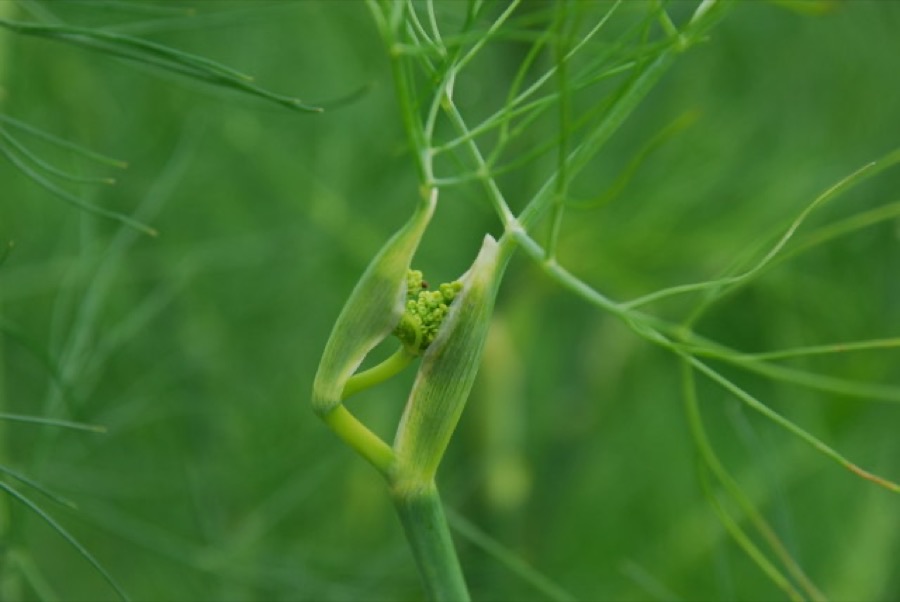
Photo: Alan Fryer, CC BY-SA 2.0 (Wikimedia Commons)
Fennel is the longest and the most valuable of the three seed spices in this library, and the one whose price depends most on colour. India grows by far the most seed, almost all of it in Gujarat and Rajasthan, with Egypt, China, Syria, Türkiye, Bulgaria and Romania also producing, while Italy and Spain lead the quite separate trade in the bulb vegetable. Seed fennel takes most of a cool season to ripen, it is harvested in stages rather than all at once, and a grower who dries it in the shade rather than the sun is paid noticeably more for exactly the same crop.
If you see: Dried seed that has come out dull brown or grey instead of green, fetching noticeably less than a neighbour's.
It likely means: It was dried in the sun, or left on the plant until the heads had browned, or both. Green colour is most of the price in this crop.
Do this: Cut each head when the seed has filled but is still greenish, not brown.
If you see: A crop cut all at once where some heads shattered and were lost while others were still green and unfilled.
It likely means: It was treated as a single harvest. Fennel heads ripen in turn over several weeks, starting with the main one at the top.
Do this: Go over the crop two or three times, cutting each head as it turns.
If you see: A bulb crop that has sent up a flower stalk, with the base gone stringy and no longer worth selling as a vegetable.
It likely means: It was checked, usually by dryness, heat, or being moved roughly at transplanting. Any check makes this crop run to flower.
Do this: Keep the moisture steady and never let a bulb crop dry out.
If you see: Plants yellowing and wilting in patches that spread each week, easily pulled, with browning inside the stem when cut.
It likely means: The soil-borne wilt this whole family shares. It has no cure and it stays in the ground for years.
Do this: Never sow fennel after fennel, coriander or cumin, and leave three or four years between them.
If you see: Saved seed that produced a crop quite unlike the one it came from, with mixed plant sizes, habits and seed quality.
It likely means: It crossed with another fennel. Fennel is pollinated by insects between plants and does not fertilise itself well, so it crosses readily.
Do this: Keep a seed crop well away from any other fennel, including wild or garden plants.
If you see: A seed crop that was still green and filling when hot weather arrived, ripening badly with light shrivelled seed.
It likely means: The season was too short for the kind sown. Seed fennel needs most of a long cool season and cannot be hurried.
Do this: Sow at the very start of the cool season rather than partway into it.
If you see: Clusters of small insects packed into the flower heads, with sticky seed and sometimes black marks on it.
It likely means: Aphids. In this crop they matter as much for dirtying the seed as for feeding on it, because the seed is graded by eye.
Do this: Walk the crop weekly through flowering and seed fill and act early.
Growing the crop is only part of the job. The last part is knowing what a normal harvest looks like where you are, and knowing what your seed or bulbs are worth before you agree a price with anybody.
If you forget every other page of this guide, keep these lines. They are the whole crop, in order, short enough to carry in your head.
What does the plant look like close up, and what is that tube round the stem?
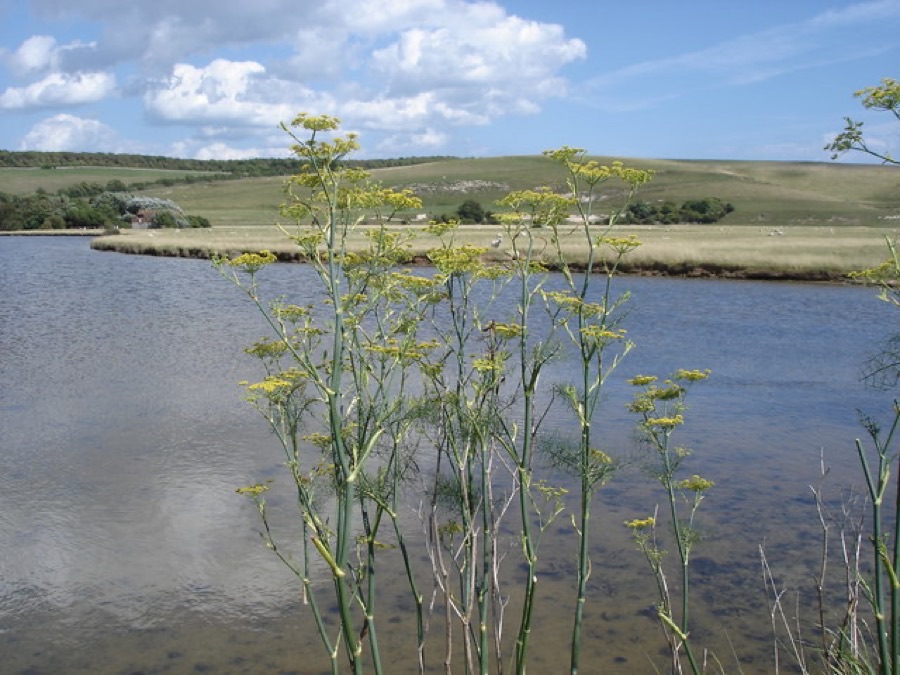
What do the flower heads look like, and do they all ripen together?
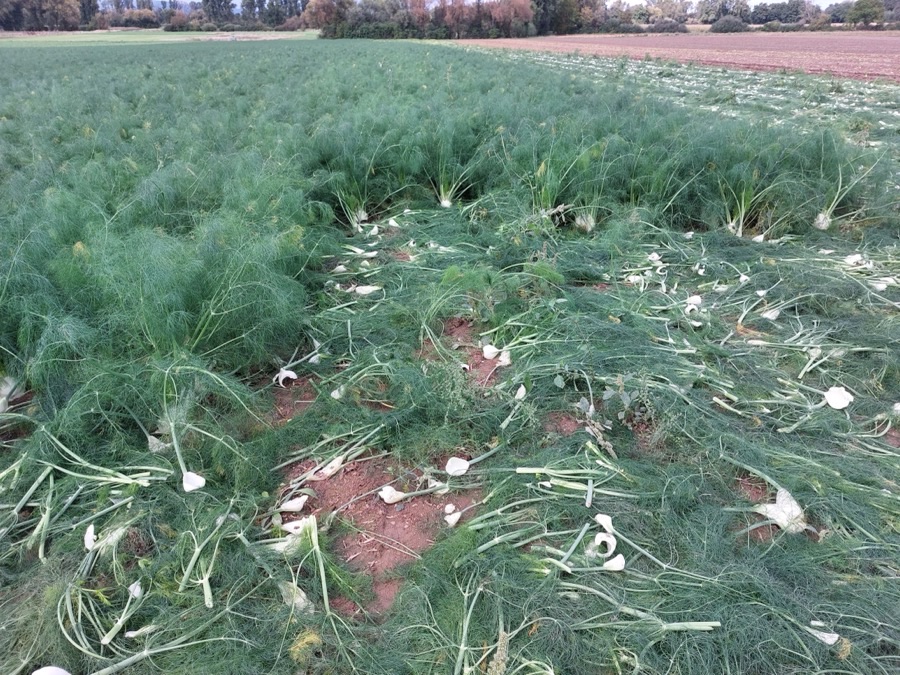
How do I tell the bulb crop apart, and when is it ready?
This plant is also a dravya of Ayurveda. Mishreya in Dravyaguna: its botanical identity, rasa, virya and karma, the part used, the dose the texts give, and its safety record.