Padma
पद्म
Nelumbo nucifera Gaertn.
Nelumbonaceae · Nelumbo
Benefits & side effects
TRADITIONAL VIEW, WITH SAFETY LIMITS
Hindi name: Kamal
What the texts say Padma does
- Raktastambhana — checks bleeding (haemostatic)
- Daha prashamana — relieves burning
- Trishna nigrahana — relieves thirst
- Varnya — improves complexion
- Hridya — good for the heart
What the evidence says. Traditional use is long recorded. Modern clinical evidence is limited.
Side effects and limits
The rhizome and seed are ordinary foods across Asia and the flower parts are in long medicinal use, with no significant toxicity recorded. Lotus is grown in ponds and paddies and takes up what is in the water, so heavy-metal uptake from contaminated water is the practical sourcing concern. Anyone pregnant, on medication or managing a diagnosed condition should speak to a doctor or a qualified practitioner first.
Avoid or ask first: No absolute contraindication is documented here. This is written deliberately rather than left blank.
A traditional classification, not a recommendation. The full safety record is below.
Stands in 7 groups
- Purishasangrahaniya — Binding the stool
- Mutravirajaniya — Correcting the colour of urine
- Shonitasthapana — Arresting bleeding
- Shukrasthapana — Sustaining semen
- Anjanadi — Bleeding, burning, and poison (named there as Nalina)
- Priyangvadi — Bleeding, Pitta, and the burning states (named there as Padmakeshara)
- Ambashthadi — Wound healing and the binding of stool (named there as Padmakeshara)
A Samhita can only be read forwards, from the group to its members. This is the same list read backwards.
Photographs
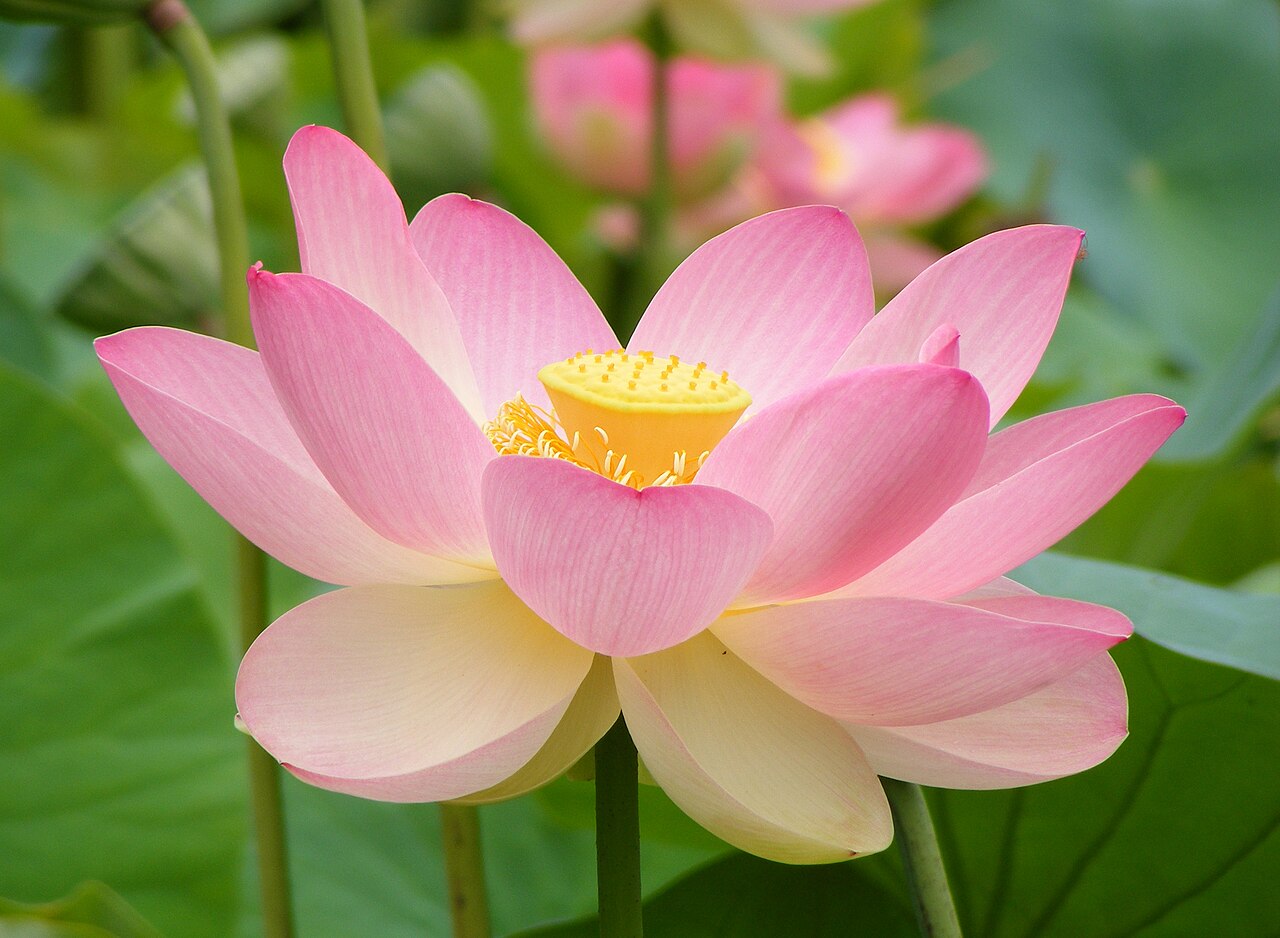
Photo: Peripitus · CC BY-SA 4.0 · Wikimedia Commons

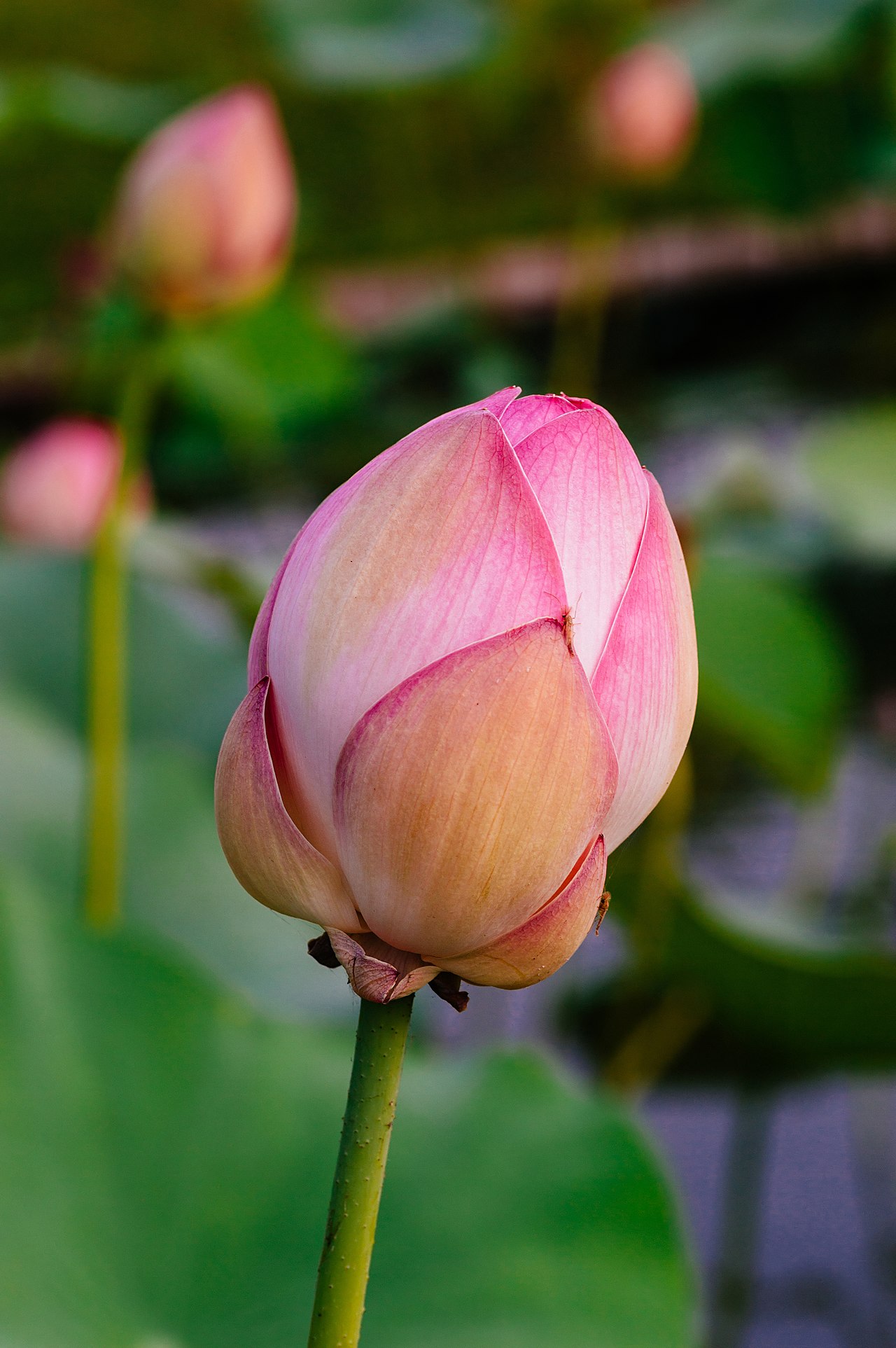
Photo: Subhrajyoti07 · CC BY-SA 4.0 · Wikimedia Commons

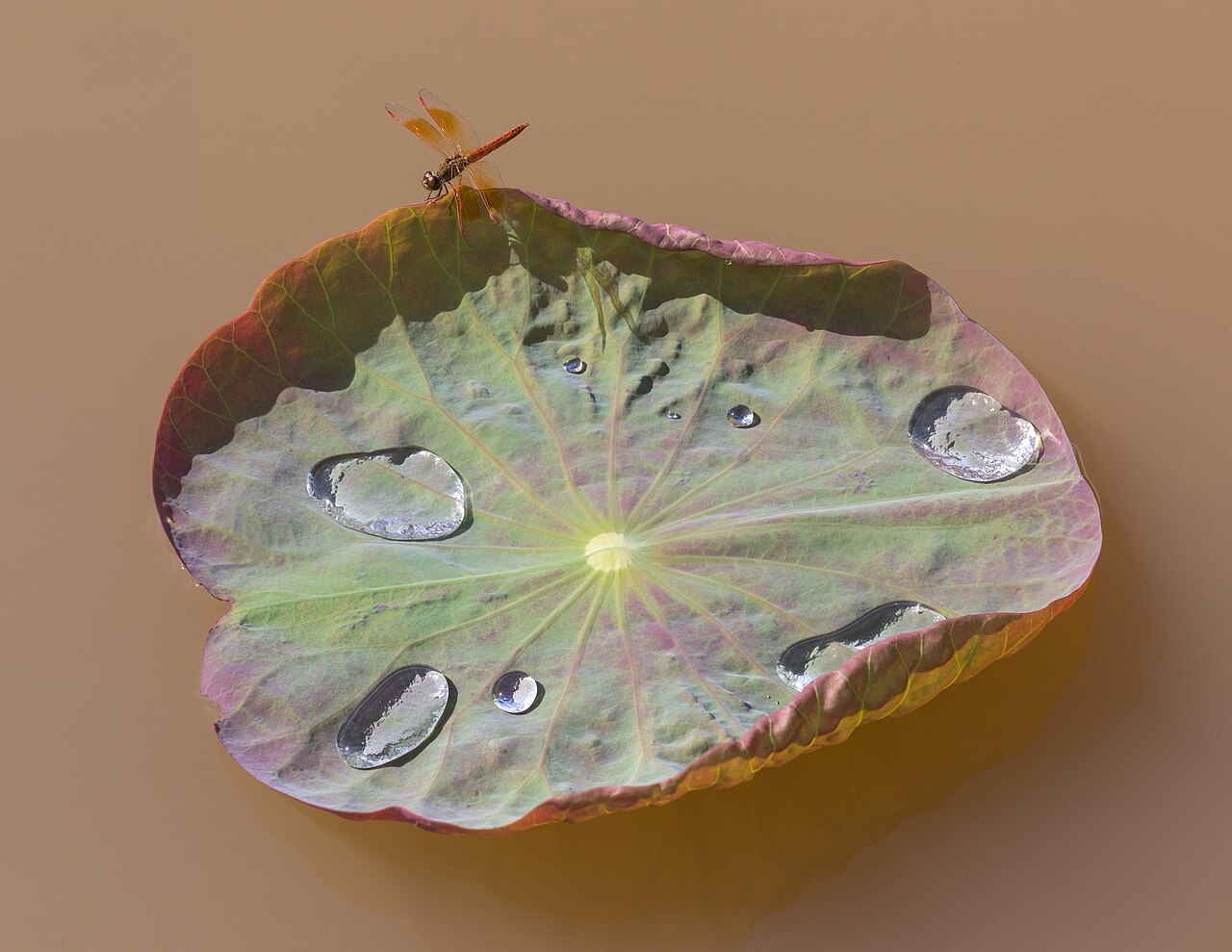
Photo: Basile Morin · CC BY-SA 4.0 · Wikimedia Commons

Matra and anupana
AS THE CLASSICAL TEXTS AND THE API PRESCRIBE
| Keshara churna | 1–3 g |
| Kwatha | 50–100 ml |
| Anupana | Madhu · Sheetajala |
| Kala | Adhobhakta |
The stamens for the haemostatic action; the other parts are used separately.
Reported from Sharangadhara Samhita and the Ayurvedic Pharmacopoeia of India. Laisha states what the texts prescribe; it does not recommend. No quantity here is adjusted for a particular person — not for agni, koshtha, bala, age, pregnancy, kidney or liver function, or anything already being taken.
Rasapanchaka
| Rasa | MadhuraKashayaTikta |
| Guna | LaghuSnigdhaPicchila |
| Virya | Sheeta |
| Vipaka | Madhura |
| Prabhava | Padma is named across the bleeding, burning and thirst groups, and Padmakeshara in particular is the classical haemostatic of the Priyangvadi and Ambashthadi ganas. |
| Doshakarma | Kaphapittahara. |
Madhura, kashaya and tikta with sheeta virya and madhura vipaka. It sits with chandana and ushira among the cooling dravya.
Karma and part used
These are the actions the classical texts record. They are statements about what the tradition holds, and this library does not restate them as findings about a human body.
| Upayukta anga | Pushpa (the flower) Keshara (the stamens) |
| Why it matters | The texts use the parts separately: Padmakeshara is the stamens, Padma bija the seed, Bisa the rhizome. A formula naming one does not mean another. |
Paryaya
Nalina is listed as a separate member in some gana lists, which suggests the compilers meant a distinct article - probably the leaf or the stalk.
Names, by language
| English | Lotus |
| Hindi | Kamal |
| Kannada | Tavare |
| Tamil | Kamal |
| Telugu | Kamal |
| Malayalam | Kamal |
| Marathi | Kamal |
| Gujarati | Kamal |
| Bengali | Kamal |
| Odia | Kamal |
| Urdu | Kamal |
Classical references
Formulations it appears in
| Pushyanuga Churna | Padmakeshara is among the principal dravya. |
| Chandanasava | An ingredient. |
| Kumkumadi Taila | An ingredient. |
Adulterants and substitutes
The stamens of Nymphaea species are sold as Padmakeshara and are a different genus; the lists name them separately as Utpala and Kumuda precisely because they are not the same. Saffron is sometimes bulked with lotus stamens, which is the substitution running the other way.
Identity
Nelumbo nucifera, the sacred lotus, which is not a water lily - Nymphaea species are Utpala, Kumuda and Saugandhika and are named separately in the same gana lists.
A WAY TO REMEMBER IT
Nelumbo is from the Sinhala nelumbu. Nucifera means nut-bearing, for the seed. Padma is among the oldest words in the language and names the flower, a number, a colour and a posture.
What the tradition holds
Padma is named across the Shonitasthapana, Purishasangrahaniya and Mutravirajaniya mahakashaya and heads Sushruta's Utpaladi gana. That is what the tradition records and where.
What the evidence says
| Status | Traditional use is long recorded. Modern clinical evidence is limited. |
| Suggested | The dravya holds a pharmacopoeial monograph in India, which records an accepted identity and quality standard for the article. That is a standard for the material, not evidence of an effect in a body. |
| Not established | There is not enough good clinical evidence to establish an effect on any named health condition. Long traditional use is not a substitute for that evidence, and this library does not present it as one. |
| The honest gap | Published work on this dravya rarely records the origin or the standard of the material tested, so results cannot be attributed to a defined article. |
Safety
The rhizome and seed are ordinary foods across Asia and the flower parts are in long medicinal use, with no significant toxicity recorded. Lotus is grown in ponds and paddies and takes up what is in the water, so heavy-metal uptake from contaminated water is the practical sourcing concern. Anyone pregnant, on medication or managing a diagnosed condition should speak to a doctor or a qualified practitioner first.
| Contraindications | No absolute contraindication is documented here. This is written deliberately rather than left blank. |
| Interactions | No specific drug interaction is documented for this dravya. That is the honest state of the evidence, not a statement that none exists — most Ayurvedic dravya have never been studied for interaction with modern medicines at all. |
| Pregnancy and breastfeeding | The rhizome and seed are ordinary foods with no documented harm. The medicinal use of the flower parts has not been formally assessed in pregnancy. |
Growing it
Grown as a crop: how to grow lotus, from sowing to harvest, in Laisha's grow guides.
Check this page
Print it and the code still works. It goes to this page and nowhere else.
What this is not
- This is a study and clinical reference for practitioners and students. The matra and anupana it records are what the classical texts and the Ayurvedic Pharmacopoeia of India PRESCRIBE — Laisha reports them, it does not recommend them. They are not a prescription for any particular person, and they are not adjusted for your age, agni, koshtha, bala, pregnancy, kidney or liver function, or anything else you are already taking. Only a qualified practitioner who has examined you can do that.
- Traditional classification is recorded as what the classical texts say, with the text and the place in it named so it can be checked. It is not restated as a finding about a human body.
- Nothing here replaces a qualified Ayurvedic practitioner or a doctor.
Sources
https://api.gbif.org/v1/species/match?name=Nelumbo%20nucifera%20Gaertn.
https://pcimh.gov.in/
https://niimh.nic.in/ebooks/ebnighantu/
https://niimh.nic.in/ebooks/esharangadhara/