Nelumbo nucifera · Also called: Sacred lotus, Lotus root, Renkon, Kamal, Kamal kakdi, Bhen, Lian ou, Sen
Photo: Pekachu, CC BY-SA 4.0 (Wikimedia Commons)
Lotus turns a pond or a wet field into a serious food crop. The swollen underground stem is a crisp vegetable sold across Asia, the seeds are a valuable food in their own right, and the young leaves and stalks are eaten too. China grows by far the most, with Japan, India, Viet Nam, Thailand, the Republic of Korea and Bangladesh also producing. It grows in water too deep and mud too heavy for almost any other crop, it comes back from the same planting for years, and it produces steadily rather than all at once. The work is the hard part: the harvest is done by hand, in mud, and nothing about that has ever been easy.
Growing Lotus, Stage by Stage
1. Get the land and the water ready — Deep soft mud in full sun, in a basin whose water level you can actually control.
2. Choose your seed and planting material — Plant rhizome pieces with a live bud, from a healthy crop, of a kind matched to your purpose.
3. Plant — Bury the rhizome in warm mud at an angle, bud upward, under shallow water.
4. Water — Manage the depth deliberately, because water depth is the main control you have over this crop.
5. Weeds and feeding — Weed the water early, feed once the leaves stand up, and then let it close over.
6. Leaves, flowers and seed heads — Standing leaves and flowers rise above the water, and the flat seed head that follows is a crop of its own.
7. Watch for trouble — Rhizome rot is the one that ends a planting, and it comes in on planting material.
8. Harvest — Lower the water and lift the rhizomes out of the mud by hand, joint by joint.
9. Wash, store and sell — Wash gently, keep the joints unbroken and the ends sealed, and sell quickly.
Common Problems & Troubleshooting
If you see: Leaves yellowing, wilting and collapsing in spreading patches, with rhizomes brown, soft and rotted inside when dug up.
It likely means: Rhizome rot. It lives in the mud, has no cure, and almost always arrives in a pond on infected planting pieces.
Do this: Take planting material only from healthy vigorous plantings with no history of it.
If you see: Newly planted pieces that shot and then died, with leaves that never reached the surface.
It likely means: The water was too deep at the start. A young lotus must get its first leaves to the surface or it drowns.
Do this: Keep the water shallow, ten to twenty centimetres, until the plant has floating leaves.
If you see: Long thin stringy rhizomes at harvest instead of the thick swollen joints buyers want.
It likely means: Usually water too deep through the season, or the crop was dug too early, or the plant was short of food.
Do this: Keep the water at a moderate depth rather than deep, since deeper water gives longer thinner rhizomes.
If you see: Washed rhizomes going brown and soft from the cut ends within a day or two of harvest.
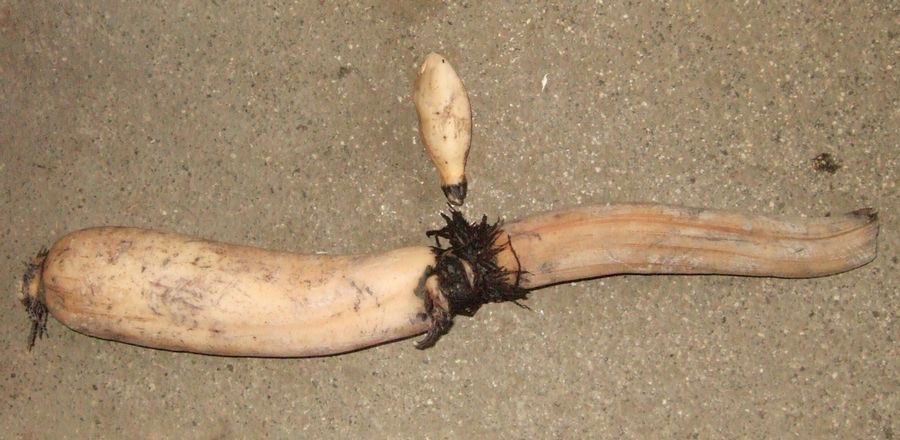
It likely means: The joints were broken during digging or washing. The rhizome is full of hollow channels and water gets straight in.
Do this: Lift rhizomes whole where you can, following them along under the mud rather than pulling.
If you see: Plenty of large healthy leaves and very few flowers or seed heads.
It likely means: Usually shade, or a rhizome kind being asked to produce seed, or water too deep.
Do this: Grow it in full sun, since lotus flowers poorly in shade.
If you see: A crop that cannot be got out of the ground because the mud is too deep, too firm or the area is too large for the labour available.
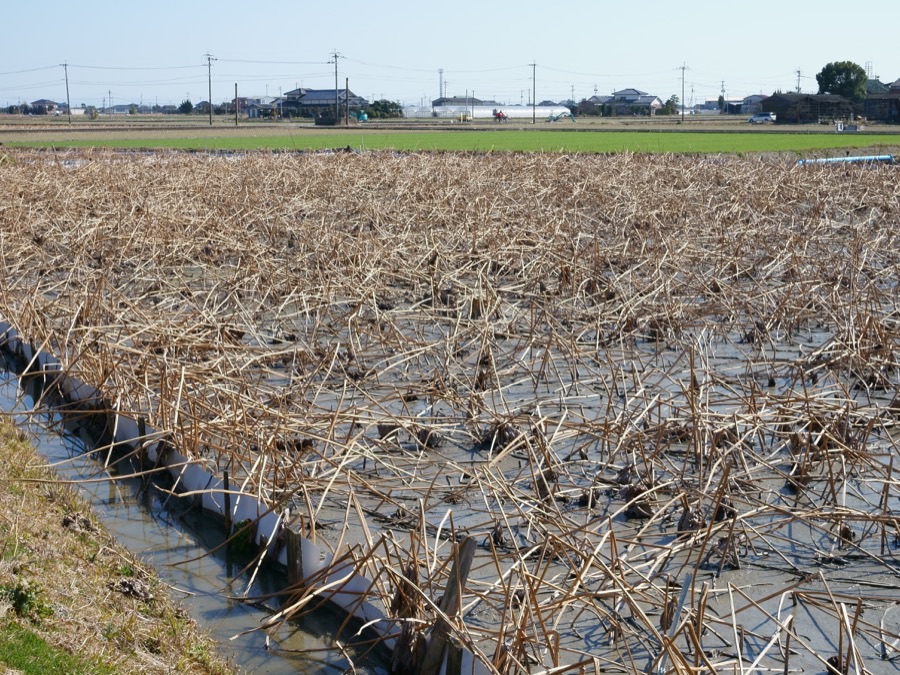
It likely means: The harvest was not planned before planting. Lifting lotus rhizomes by hand is very heavy work and it governs how much can be grown.
Do this: Plant only as much as you can realistically dig, and expand slowly.
Yield & Market Value
Growing the crop is only part of the job. The last part is knowing what a normal harvest looks like where you are, and knowing what your rhizomes or seeds are worth before you agree a price with anybody.
Remember It This Way
If you forget every other page of this guide, keep these lines. They are the whole crop, in order, short enough to carry in your head.
It is not a water lily. Its leaves stand above the water.
Plant a rhizome piece with a live bud, not seed.
Handle the bud gently. A broken bud will not grow.
Shallow water first, or the young plant drowns.
Raise the depth as the leaves stand up.
Deep water gives long thin rhizomes. Moderate gives thick ones.
Never cut healthy leaves. They are filling the rhizome.
Yellow leaves mean the rhizome is full. Now dig.
Lower the water first, or the harvest is impossible.
Lift them whole. A broken joint rots within days.
Test Yourself: Identification
What does a lotus field look like, and how do I know it is not a water lily?
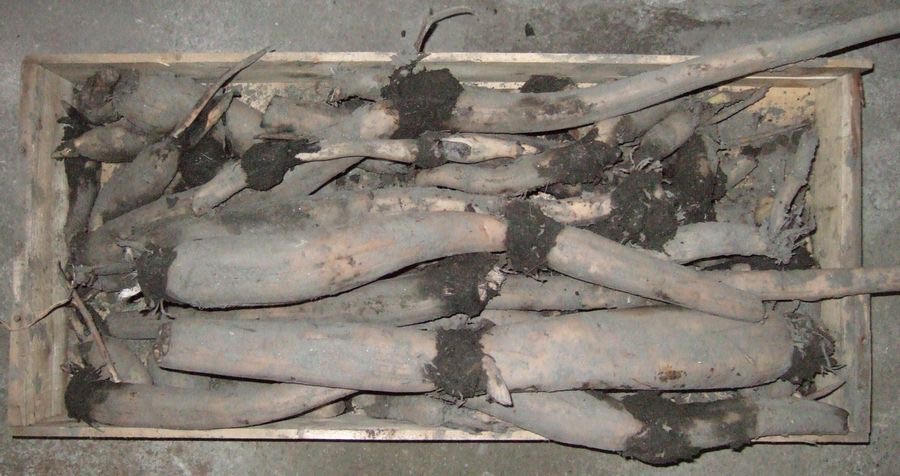
What does the harvest actually look like?
What should the washed rhizome look like before I sell it?
Honest Limits of This Guide
This guide assumes you can control the water level in the basin. Where the water level cannot be raised and lowered, much of the advice here about depth and about harvest becomes impossible, and the crop is far harder to manage.
Timings are given in months from planting and by the state of the leaves rather than in named months, because lotus is grown across a wide band of Asia in both warm and temperate conditions.
Lotus is a food crop grown in standing water, so the same caution applies as to any such crop: what is in the water reaches the food. Do not grow it in water carrying household or industrial waste, and keep untreated manure out of it.
Yield figures assume a well-managed planting and enough labour to dig it. In practice the harvest labour is usually the real limit, and a crop left in the ground because nobody can lift it is a loss no yield figure shows.
This guide names no chemical treatments. The disease that ends lotus plantings has no cure, whatever is applied goes into standing water that may hold fish, and the answers that work are clean planting material and not moving mud or tools between ponds.
In Ayurveda
This plant is also a dravya of Ayurveda. Padma in Dravyaguna: its botanical identity, rasa, virya and karma, the part used, the dose the texts give, and its safety record.
Sources
GBIF Backbone Taxonomy species-match record for Nelumbo nucifera Gaertn. — Global Biodiversity Information Facility (GBIF), Copenhagen (source)
EPPO Global Database — Nelumbo nucifera (EPPO code NELNU) — European and Mediterranean Plant Protection Organization (EPPO), Paris (source)
FAO work on aquatic vegetables and on lotus production in Asia — Food and Agriculture Organization of the United Nations (FAO), Rome (source)
Laisha knows Lotus better than this page can show.Photo diagnosis for pests and disease, live market prices, and an agronomist you can ask at two in the morning. Ten days free, no card. After that 10 US dollars a month, one price worldwide.Start ten free days
 Laisha
AI Operating System for Agriculture
Enter Laisha