Rakta Chandana
रक्तचन्दन
Pterocarpus santalinus L.f.
Fabaceae · Pterocarpus
Benefits & side effects
TRADITIONAL VIEW, WITH SAFETY LIMITS
Hindi name: Lal chandan
What the texts say Rakta Chandana does
- Varnya — improves complexion
- Raktaprasadana — improves the quality of the blood
- Dahaprashamana — relieves burning
- Vranaropana — heals wounds
- Vishaghna — antidote (against poison)
What the evidence says. Traditional use is extensive and long recorded. Modern clinical evidence is limited.
Side effects and limits
- Skin irritation in some people on external use
Avoid or ask first: No absolute contraindication is documented here. This is written deliberately rather than left blank.
A traditional classification, not a recommendation. The full safety record is below.
Stands in 4 groups
- Salasaradi — Prameha, obesity, and skin disease (named there as Kuchandana)
- Patoladi — Pitta, Kapha, fever, and vomiting (named there as Kuchandana)
- Sarivadi — Thirst, burning, and Pitta fever (named there as Kuchandana)
- Priyangvadi — Bleeding, Pitta, and the burning states (named there as Kuchandana)
A Samhita can only be read forwards, from the group to its members. This is the same list read backwards.
Photographs
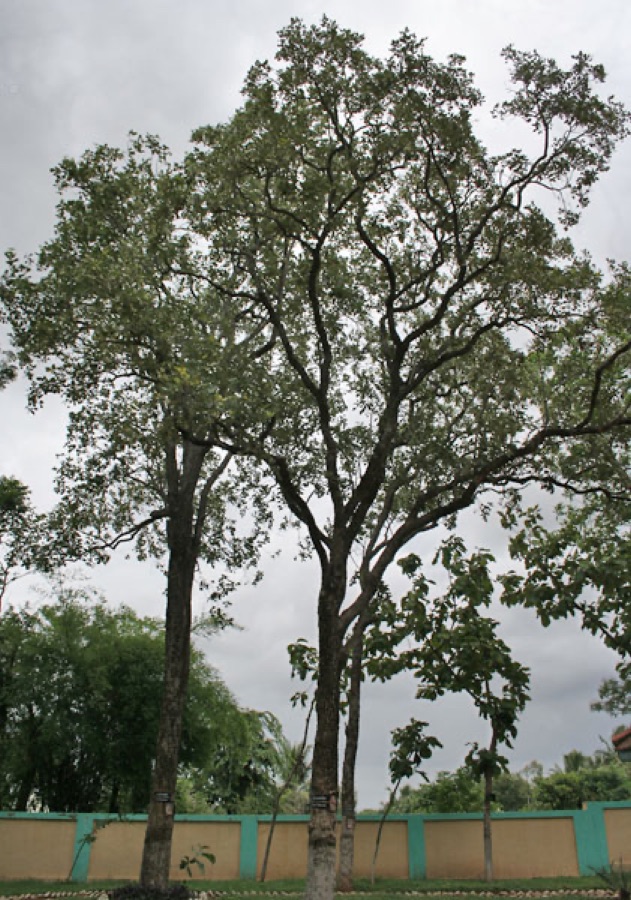
Photo: J.M.Garg · CC BY-SA 4.0 · Wikimedia Commons

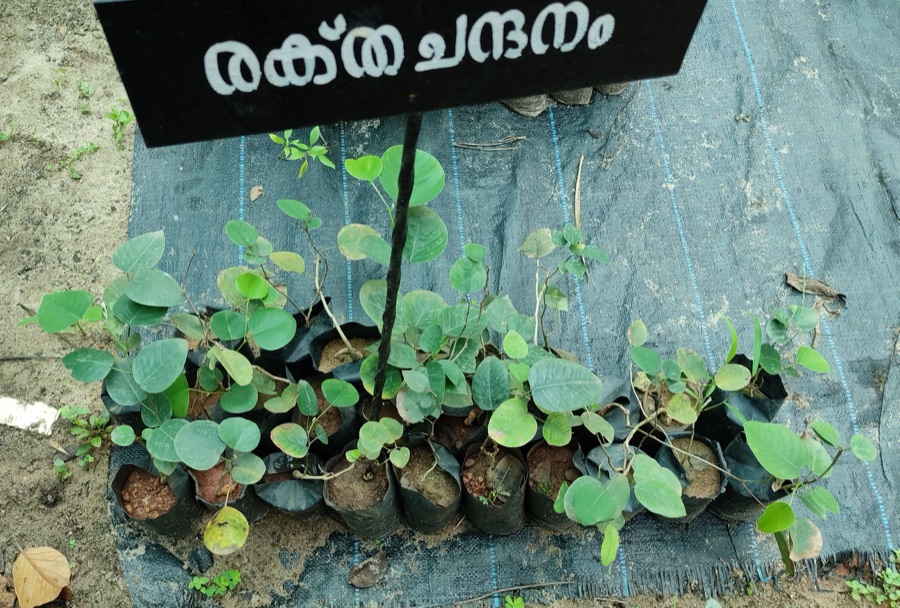
Photo: Vis M · CC BY-SA 4.0 · Wikimedia Commons

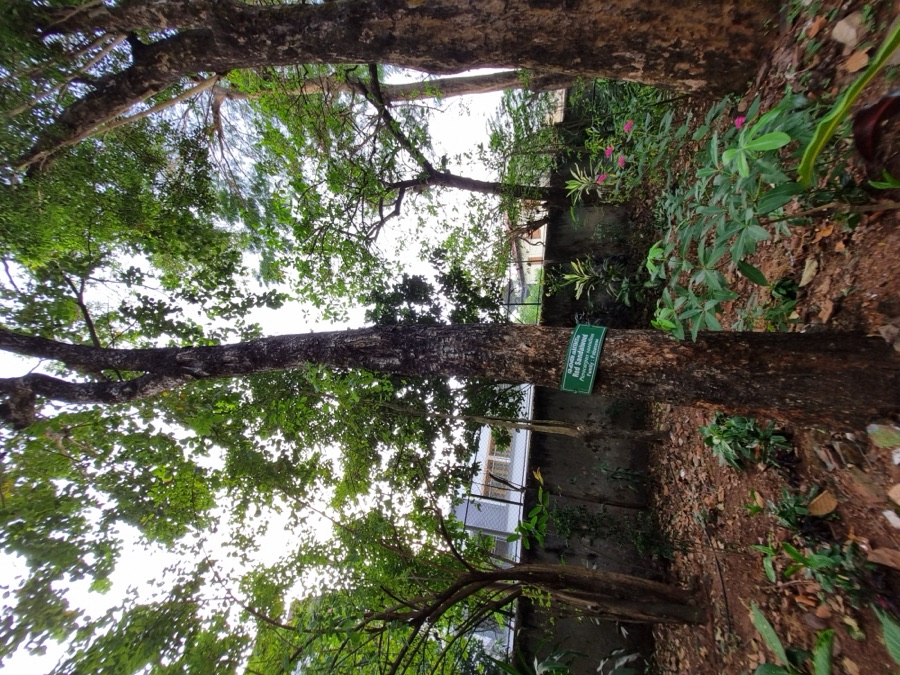
Photo: Ganesh Mohan T · CC BY-SA 4.0 · Wikimedia Commons

Matra and anupana
AS THE CLASSICAL TEXTS AND THE API PRESCRIBE
| Churna | 1–3 g |
| Phanta | 50–100 ml |
| Anupana | Sharkara · Madhu |
| Kala | Adhobhakta |
Pterocarpus santalinus is a legume, not a Santalum. CITES Appendix II.
Reported from Sharangadhara Samhita and the Ayurvedic Pharmacopoeia of India. Laisha states what the texts prescribe; it does not recommend. No quantity here is adjusted for a particular person — not for agni, koshtha, bala, age, pregnancy, kidney or liver function, or anything already being taken.
Rasapanchaka
| Rasa | TiktaMadhura |
| Guna | GuruRuksha |
| Virya | Sheeta |
| Vipaka | Katu |
| Prabhava | The texts treat rakta chandana as varnya and as acting on the blood, and use it externally on the skin more than internally. |
| Doshakarma | Kaphapittahara. |
Tikta and madhura with sheeta virya and katu vipaka.
Karma and part used
These are the actions the classical texts record. They are statements about what the tradition holds, and this library does not restate them as findings about a human body.
| Upayukta anga | Sara (the heartwood) |
| Why it matters | The deep red heartwood is the dravya. Unlike white sandalwood it has almost no scent, which is the quickest way to tell them apart. |
Paryaya
Kuchandana — bad or lesser sandalwood — records that the tradition knew it was not the same thing as Chandana and named it in relation to it.
Names, by language
| English | Red sandalwood |
| Sinhala | Rath handun |
| Nepali | Rakta chandan |
| Hindi | Lal chandan |
| Kannada | Kempu gandha |
| Tamil | Sivappu chandanam |
| Telugu | Erra chandanam |
| Malayalam | Rakta chandanam |
| Marathi | Rakta chandan |
| Gujarati | Rakta chandan |
| Bengali | Rakta chandan |
| Punjabi | Lal chandan |
| Odia | Rakta chandana |
| Urdu | Sandal surkh |
Classical references
Rasa, guna, virya, vipaka and karma are recorded as the classical texts give them, with the text and section named so a student can open the book and check. Where an exact chapter and verse could not be confirmed, this library names the section rather than inventing a number.
Formulations it appears in
| Chandanadi Taila | Rakta chandana is among the dravya. |
| Pinda Taila | Among the dravya of the formulation. |
| Eladi Churna | Rakta chandana appears in some recensions. |
Adulterants and substitutes
Caesalpinia sappan, sappanwood, is the commonest substitute and is itself a legitimate dravya called Pattranga — a paryaya this entry also carries, which is how the two became interchangeable in the market. Dyed wood is sold as red sandalwood, and because the genuine article is prized for colour rather than scent, a dye passes more easily than it would for white sandalwood.
Identity
Matched live against the GBIF backbone on 28 September 2026 at 99 per cent confidence. Not related to Chandana, the white sandalwood, which is Santalum album in the Santalaceae — these are two different families sharing an English word. Endemic to a small area of Andhra Pradesh, listed on CITES Appendix II, and among the most smuggled timbers in the world.
A WAY TO REMEMBER IT
Pterocarpus is pteron (wing) + karpos (fruit) — the pod has a broad wing around it. Santalinus means sandal-like, for the wood. Not a Santalum at all; it is a legume, and the Latin says so.
What the tradition holds
Rakta chandana is described in the Bhavaprakasha Nighantu, where it is distinguished from chandana. That is what the tradition holds and where it is written down, not a finding about what the wood does in a body.
Constituents. The heartwood carries santalins, the pigments that give it its colour, along with pterocarpol and related compounds.
What the evidence says
| Status | Traditional use is extensive and long recorded. Modern clinical evidence is limited. |
| Suggested | Health Canada publishes monographs covering Ayurvedic ingredients and permits specific traditional-use claims, which reflects a regulator accepting a documented tradition rather than a body of clinical trial evidence. |
| Not established | There is not enough good clinical evidence to establish an effect on any named health condition. Long traditional use is not a substitute for that evidence, and this library does not present it as one. |
| The honest gap | Published work is limited and rarely distinguishes it from sappanwood. |
Safety
No serious harm is documented for this dravya at traditional use, which is a statement about the absence of records and not a guarantee. The dominant issue is legal and ecological rather than pharmacological: Pterocarpus santalinus is endemic to a small part of Andhra Pradesh, is listed on CITES Appendix II, is assessed as endangered, and is among the most heavily smuggled timbers in the world — trade in it is controlled in India and material offered without documentation is very likely illegal. Anyone on medication, pregnant, or managing a diagnosed condition should speak to a doctor or a qualified practitioner first.
| Side effects | Skin irritation in some people on external use |
| Contraindications | No absolute contraindication is documented here. This is written deliberately rather than left blank. |
| Interactions | No specific interaction is documented here. Anyone on regular medication should still tell their doctor what they are taking. |
| Pregnancy and breastfeeding | There is not enough evidence to establish safety in pregnancy or breastfeeding, and a qualified practitioner should be asked first. |
Growing it
| Climate | Dry tropical, endemic to the Seshachalam hills of Andhra Pradesh. |
| Soil | Rocky, well-drained hill ground. |
| Planting | A slow-growing tree, raised from seed. Decades before the heartwood is worth taking. |
| Harvest | Heartwood is taken when a tree is felled, under legal control in India. |
| What is not stated | Endemic, endangered, CITES Appendix II and heavily smuggled. Only documented, lawfully sourced material should be used, and this library records that as fact rather than as advice about anyone's health. |
Check this page
Print it and the code still works. It goes to this page and nowhere else.
What this is not
- This is a study and clinical reference for practitioners and students. The matra and anupana it records are what the classical texts and the Ayurvedic Pharmacopoeia of India PRESCRIBE — Laisha reports them, it does not recommend them. They are not a prescription for any particular person, and they are not adjusted for your age, agni, koshtha, bala, pregnancy, kidney or liver function, or anything else you are already taking. Only a qualified practitioner who has examined you can do that.
- Traditional classification is recorded as what the classical texts say, with the text and the place in it named so it can be checked. It is not restated as a finding about a human body.
- Nothing here replaces a qualified Ayurvedic practitioner or a doctor.
Sources
https://api.gbif.org/v1/species/match?name=Pterocarpus%20santalinus
https://pcimh.gov.in/
https://www.canada.ca/en/health-canada/services/drugs-health-products/natural-non-prescription/applications-submissions/product-licensing/compendium-monographs.html
https://niimh.nic.in/ebooks/esharangadhara/