Sarshapa
सर्षप
Brassica juncea (L.) Czern.
Brassicaceae · Brassica
Benefits & side effects
TRADITIONAL VIEW, WITH SAFETY LIMITS
Hindi name: Sarson
What the texts say Sarshapa does
- Kaphaghna — pacifies kapha
- Krimighna — anthelmintic (against worms)
- Kandughna — relieves itching
- Shirovirechana — clears the head (nasal errhine)
- Deepana — kindles digestion (appetiser)
What the evidence says. Traditional use is long recorded. Modern clinical evidence is limited.
Side effects and limits
- Burning and blistering of the skin from a seed paste left too long
- Aggravation of pitta taken internally in quantity
Avoid or ask first: Not applied to broken skin or left in place as a lepa beyond the time prescribed.; Not used internally in quantity where there is a marked pitta state.
A traditional classification, not a recommendation. The full safety record is below.
Stands in 3 groups
- Shirovirechanopaga — Adjuvant to nasal evacuation
- Kandughna — Relieving itching
- Pippalyadi — Agni, Kapha, and the digestive disorders
A Samhita can only be read forwards, from the group to its members. This is the same list read backwards.
Photographs
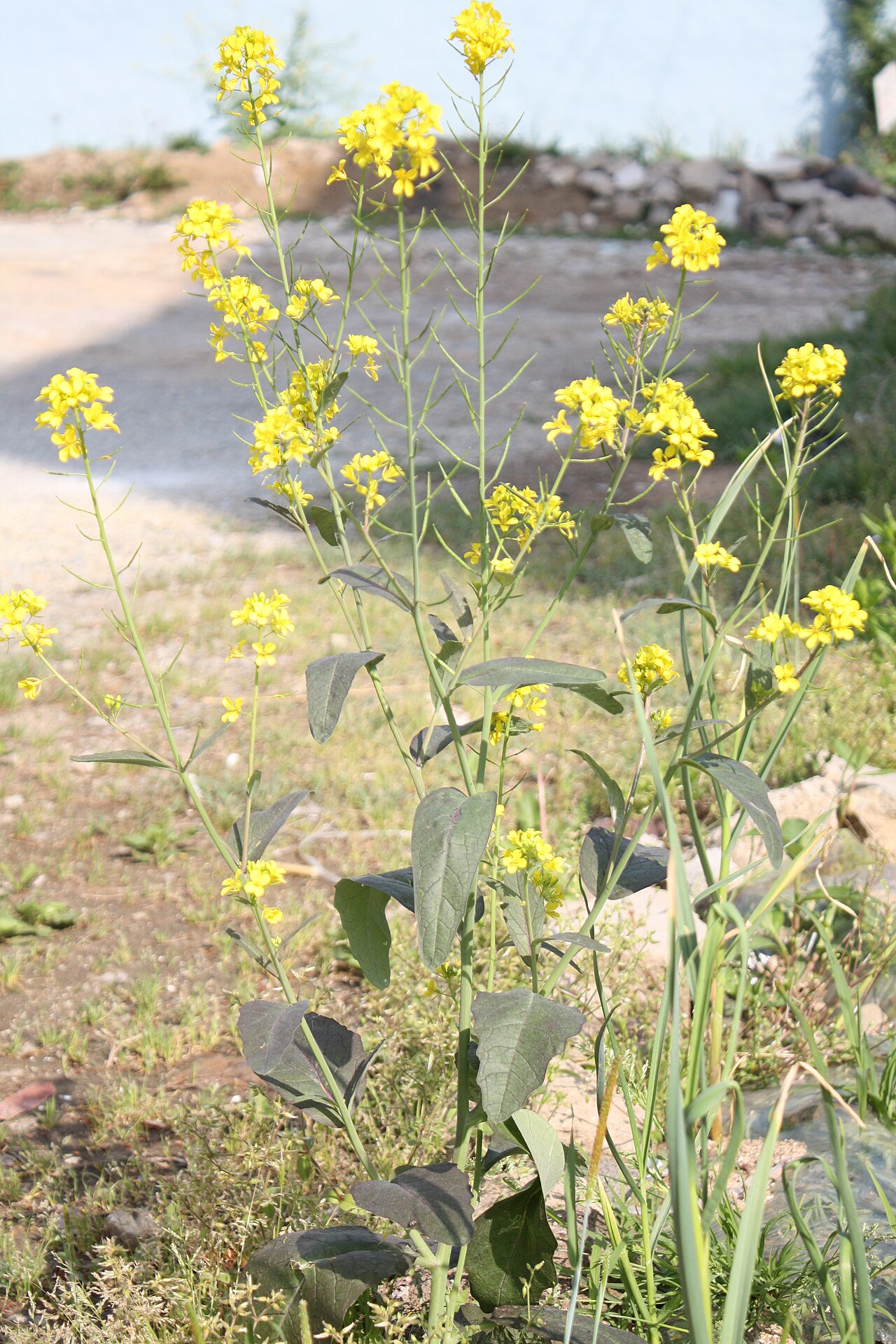
Photo: Dalgial · CC BY-SA 3.0 · Wikimedia Commons

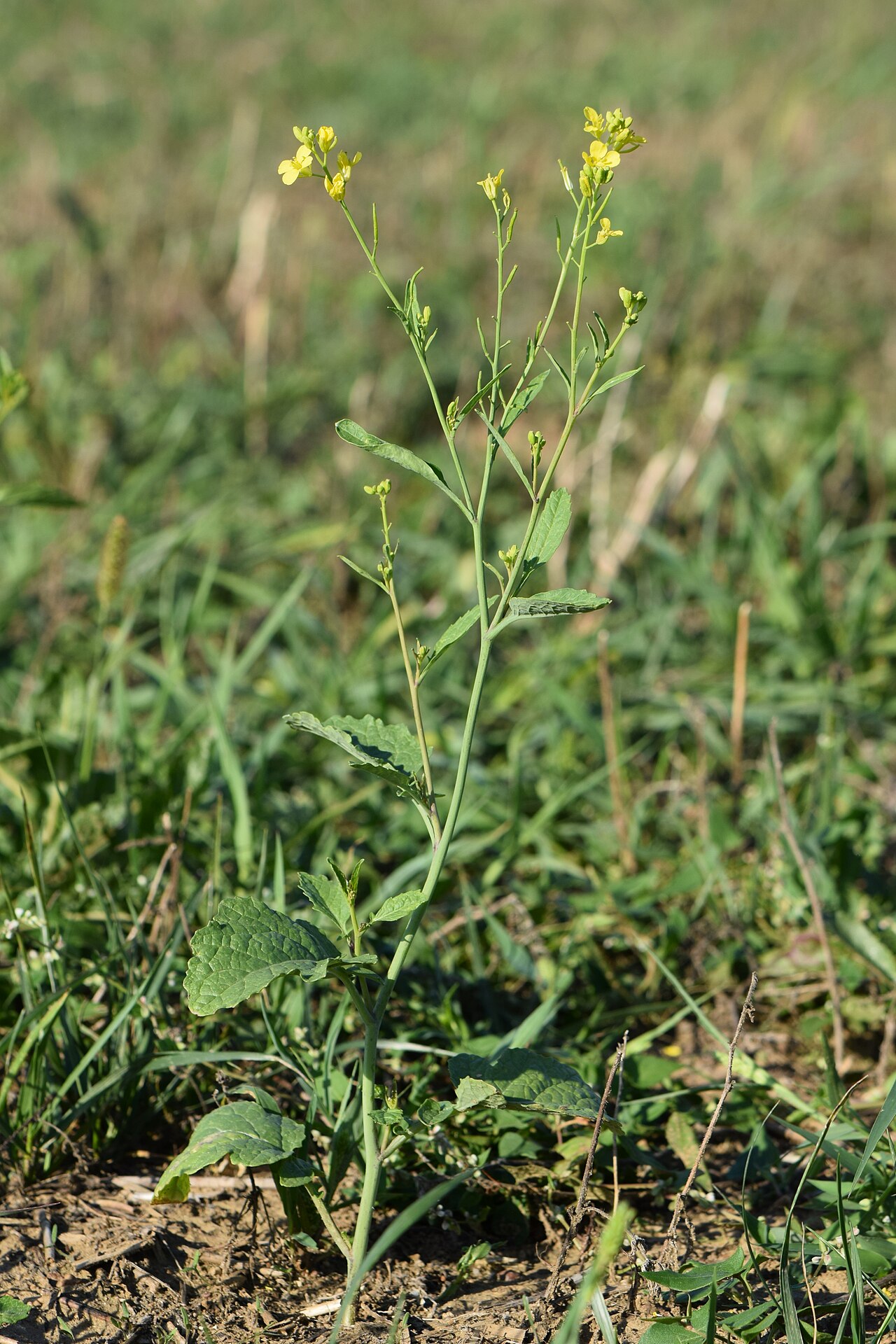
Photo: Krzysztof Ziarnek, Kenraiz · CC BY-SA 4.0 · Wikimedia Commons

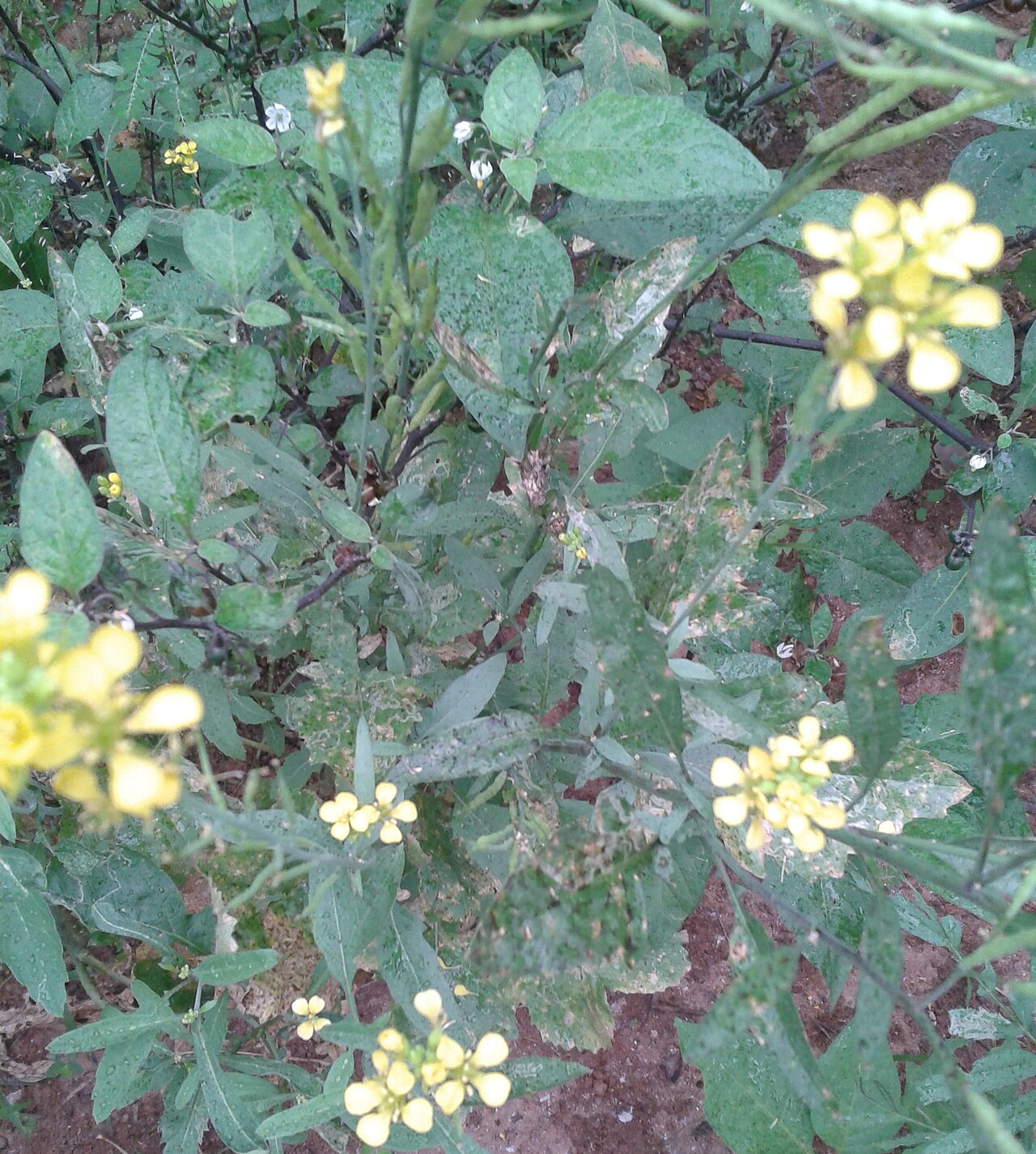
Photo: Dr.S.Soundarapandian · Public domain · Wikimedia Commons

Matra and anupana
AS THE CLASSICAL TEXTS AND THE API PRESCRIBE
| Churna | 1–3 g |
| Taila, external | As required for abhyanga |
| Anupana | Ushnodaka · Madhu |
| Kala | Adhobhakta |
A small internal quantity; the oil is chiefly for external use.
Reported from Sharangadhara Samhita and the Ayurvedic Pharmacopoeia of India. Laisha states what the texts prescribe; it does not recommend. No quantity here is adjusted for a particular person — not for agni, koshtha, bala, age, pregnancy, kidney or liver function, or anything already being taken.
Rasapanchaka
| Rasa | KatuTikta |
| Guna | LaghuRukshaTikshnaSnigdha |
| Virya | Ushna |
| Vipaka | Katu |
| Prabhava | Named as a shirovirechana dravya and used externally as a lepa for kandu and kushtha; the oil is the standard abhyanga medium across north India. |
| Doshakarma | Kaphavatahara. Increases pitta. |
Katu and tikta with ushna virya and katu vipaka. It is among the sharpest of the everyday dravya and the texts treat it as such.
Karma and part used
These are the actions the classical texts record. They are statements about what the tradition holds, and this library does not restate them as findings about a human body.
| Upayukta anga | Bija (the seed) Taila (the fixed oil) |
| Why it matters | The seed, and the fixed oil expressed from it. The two are used quite differently. |
Paryaya
Rajika properly names the smaller, sharper Brassica nigra; Sarshapa the larger seed. The market uses rai and sarson for the same distinction and not always consistently.
Names, by language
| English | Mustard |
| Hindi | Sarson |
| Kannada | Sasive |
| Tamil | Kadugu |
| Telugu | Avalu |
| Malayalam | Kaduku |
| Marathi | Mohari |
| Gujarati | Rai |
| Bengali | Sarisha |
| Odia | Sorisa |
| Urdu | Rai |
Classical references
Formulations it appears in
| Sarshapa Taila | The expressed oil, used for abhyanga across north India. |
| Classical lepa for kandu | An external ingredient. |
Adulterants and substitutes
Argemone mexicana seed is the classic and dangerous adulterant of mustard seed and mustard oil in India. It contains sanguinarine and causes epidemic dropsy, which has killed people in documented outbreaks. This is not a quality problem but a poisoning risk, and it is the single most important thing to know about buying mustard oil loose.
Identity
Brassica juncea is the usual Sarshapa. Brassica nigra and Brassica campestris are also traded under the name and under the market words rai and sarson, and the three differ in pungency.
A WAY TO REMEMBER IT
Brassica is the Latin for cabbage. Juncea, rush-like, for the slender leaves. Sarshapa is an old word, and the mustard seed appears in the proverbs of three religions as the smallest thing worth naming.
What the tradition holds
Sarshapa is named among the Shirovirechanopaga mahakashaya of the Charaka Samhita and in two of Sushruta's ganas. That is what the tradition records.
What the evidence says
| Status | Traditional use is long recorded. Modern clinical evidence is limited. |
| Suggested | The dravya holds a pharmacopoeial monograph in India, which records an accepted identity and quality standard for the article. That is a standard for the material, not evidence of an effect in a body. |
| Not established | There is not enough good clinical evidence to establish an effect on any named health condition. Long traditional use is not a substitute for that evidence, and this library does not present it as one. |
| The honest gap | Published work on this dravya rarely records the origin or the standard of the material tested, so results cannot be attributed to a defined article. |
Safety
An everyday food and cooking oil, but with two real cautions. Adulteration with Argemone mexicana seed causes epidemic dropsy and has caused documented deaths in India; loose mustard oil is the risk and sealed, tested oil is not. Applied to the skin the seed paste is a counter-irritant and will blister if left on. Anyone pregnant, on medication or managing a diagnosed condition should speak to a doctor or a qualified practitioner first.
| Side effects | Burning and blistering of the skin from a seed paste left too long Aggravation of pitta taken internally in quantity |
| Contraindications | Not applied to broken skin or left in place as a lepa beyond the time prescribed. Not used internally in quantity where there is a marked pitta state. |
| Interactions | No specific drug interaction is documented for this dravya. That is the honest state of the evidence, not a statement that none exists — most Ayurvedic dravya have never been studied for interaction with modern medicines at all. |
| Pregnancy and breastfeeding | An ordinary dietary article. The medicinal use in quantity has not been assessed in pregnancy, and adulterated oil is a hazard in pregnancy as in anyone. |
Growing it
Grown as a crop: how to grow mustard, from sowing to harvest, in Laisha's grow guides.
Check this page
Print it and the code still works. It goes to this page and nowhere else.
What this is not
- This is a study and clinical reference for practitioners and students. The matra and anupana it records are what the classical texts and the Ayurvedic Pharmacopoeia of India PRESCRIBE — Laisha reports them, it does not recommend them. They are not a prescription for any particular person, and they are not adjusted for your age, agni, koshtha, bala, pregnancy, kidney or liver function, or anything else you are already taking. Only a qualified practitioner who has examined you can do that.
- Traditional classification is recorded as what the classical texts say, with the text and the place in it named so it can be checked. It is not restated as a finding about a human body.
- Nothing here replaces a qualified Ayurvedic practitioner or a doctor.
Sources
https://api.gbif.org/v1/species/match?name=Brassica%20juncea
https://pcimh.gov.in/
https://niimh.nic.in/ebooks/ebnighantu/
https://niimh.nic.in/ebooks/esharangadhara/